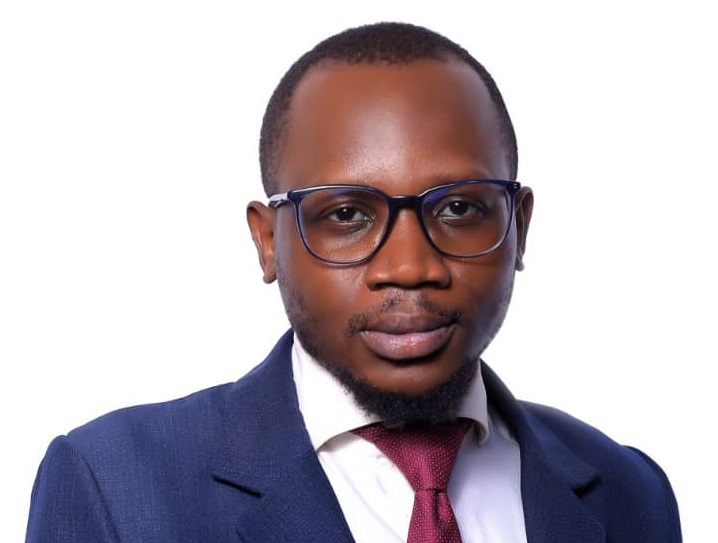
By Simon Peter Esomu
For over two decades, President Yoweri Museveni has waged what critics describe as a sustained campaign against the constitutional right to bail. Today, that campaign appears to have reshaped Uganda’s justice system, with courts increasingly reluctant to release suspects—particularly those facing capital or politically sensitive charges.
The now-familiar pattern—charge, deny bail, remand—has become routine. State critics appear before court, are formally charged, and are returned to custody. Even when bail applications are heard, rulings are often deferred, effectively extending detention.
From Black Mamba Raids to Judicial Pressure
The confrontation between the Executive and the Judiciary reached a dramatic peak between 2005 and 2007 when the High Court granted bail to opposition leader Kizza Besigye. Armed “Black Mamba” operatives stormed court premises and re-arrested suspects, while the General Court Martial was deployed in ways widely viewed as undermining civilian courts.
Although the Judiciary and the Uganda Law Society resisted through boycotts and protests, critics argue that the episode signaled a turning point: overt military intimidation would eventually give way to political pressure, rhetoric, and structural influence over judicial processes.
Public Campaign Against Bail
During the 2011 “Walk to Work” protests, Museveni blamed judges for granting bail to what he termed “saboteurs.” In 2014, speaking at the Annual Judges Conference, he cautioned judicial officers against releasing suspects facing capital charges.
In 2018, following the murder of MP Ibrahim Abiriga, the President publicly questioned the availability of bail for murder suspects. That same year, he criticized the decision to grant bail to opposition figures in the “Arua 33” case, including musician-turned-politician Bobi Wine.

By 2021, his rhetoric intensified. At a memorial for former Chief Justice Benedicto Kiwanuka, Museveni advocated for tougher restrictions on bail and floated the possibility of a referendum to remove bail for capital offenders.
In 2022, Chief Justice Alfonse Owiny-Dollo introduced new bail guidelines, which the President welcomed as a measure to “streamline” the process. Critics say the guidelines tightened standards and increased judicial discretion, often to the detriment of accused persons.

Legislative Push and Executive Influence
Museveni has repeatedly encouraged the ruling NRM caucus to amend the Constitution to restrict bail for crimes such as treason and murder. Though proposed amendments have stalled, the pressure remains evident.
Human rights advocates also point to the growing trend of appointing judicial officers in acting capacities, arguing that such arrangements may discourage rulings perceived as contrary to executive preferences.
The Human Cost
Uganda’s prisons remain heavily populated with remand detainees—many of whom have not been convicted. Legal experts warn that prolonged pre-trial detention undermines the presumption of innocence and erodes public trust in judicial independence.
Critics argue that when courts hesitate to grant bail out of fear of political backlash, constitutional safeguards are weakened. Supporters of stricter bail policies, however, contend that public safety and national security must remain paramount.
As the debate continues, the future of bail in Uganda remains a defining test of the balance between executive authority and judicial independence.
If you would like your article/opinion to be published on Uganda’s most authoritative news platform, send your submission on: [email protected]. You can also follow DailyExpress on WhatsApp and on Twitter (X) for realtime updates.