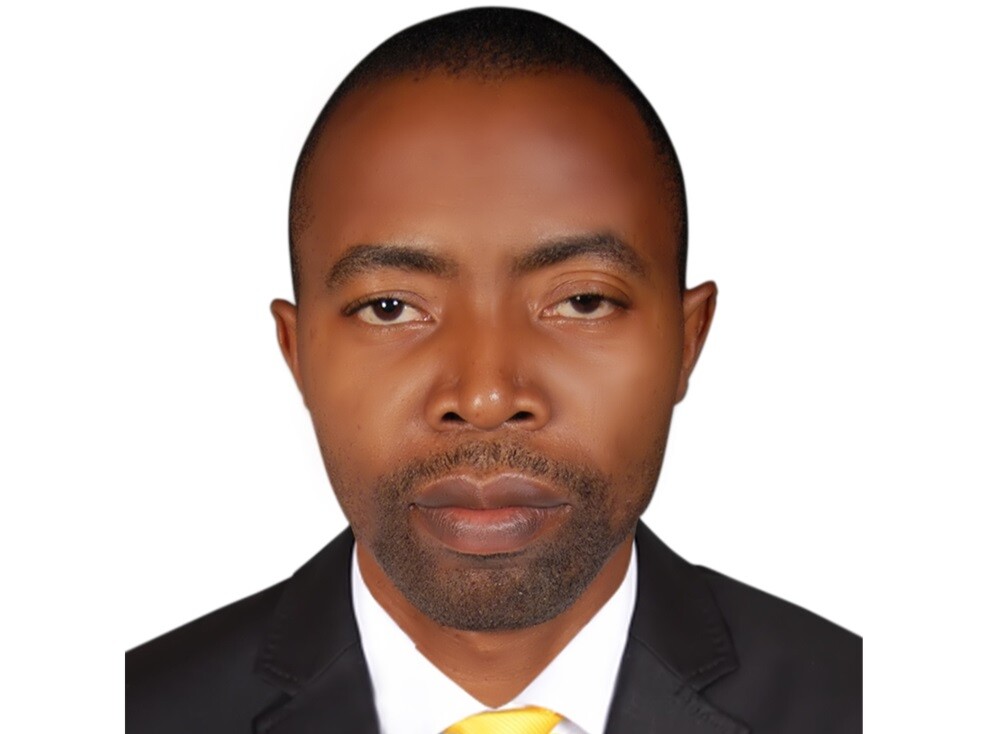
By Ben Ssebuguzi
Leadership, at its core, is about influence, not imposition. President Yoweri Kaguta Museveni has consistently demonstrated a modern, participatory leadership style that emphasizes consultation, dialogue, and stakeholder engagement rather than coercion or unilateral decision-making.
Uganda’s history offers a sharp contrast. Under past regimes, particularly during Idi Amin’s rule, militaristic leadership approaches and unilateral decisions severely disrupted the country’s economic and social fabric. Policies such as the expulsion of the entrepreneurial class weakened institutions and contracted the economy—decisions that might have been tempered through broader consultation and institutional checks.
In contrast, President Museveni’s approach has increasingly reflected participatory governance. A recent example can be drawn from the Ateker Cement Factory project in Moroto. While government sought to reduce clinker imports and strengthen local cement production, tensions emerged between the Matheniko community of Moroto and the Bokora of Napak over resource concerns and land rights. Residents even threatened to burn trucks transporting marble stones to the factory.
Rather than impose a top-down directive, the President engaged stakeholders through a series of meetings, balancing the demands of industrial development with the rights and sensitivities of indigenous communities. The outcome underscored the value of dialogue in resolving complex socio-economic impasses.

This philosophy aligns with the President’s broader assertion that leaders should not impose themselves on the people. Leadership, in this context, goes beyond organizing regular elections—from the Resistance Council elections of 1989 to contemporary democratic processes. It embodies collaboration, where leaders actively solicit input from experts, consultants, and affected communities before making decisions.
Modern leadership is defined not by force, but by the ability to inspire confidence, build consensus, and guide institutions responsibly. It recognizes that durable solutions emerge when citizens feel heard and included. A participatory approach fosters legitimacy, stability, and sustainable development.

As Uganda continues to navigate economic transformation and social cohesion challenges, the principle remains clear: influence grounded in consultation is stronger than authority exercised through imposition.
Long live General Yoweri Kaguta Museveni.
Long live Hajjat Uzeiye Namyalo, SPA/PA and Manager ONC.
The writer is the Head of Research Office of the National Chairman.
If you would like your article/opinion to be published on Uganda’s most authoritative news platform, send your submission on: [email protected]. You can also follow DailyExpress on WhatsApp and on Twitter (X) for realtime updates.