

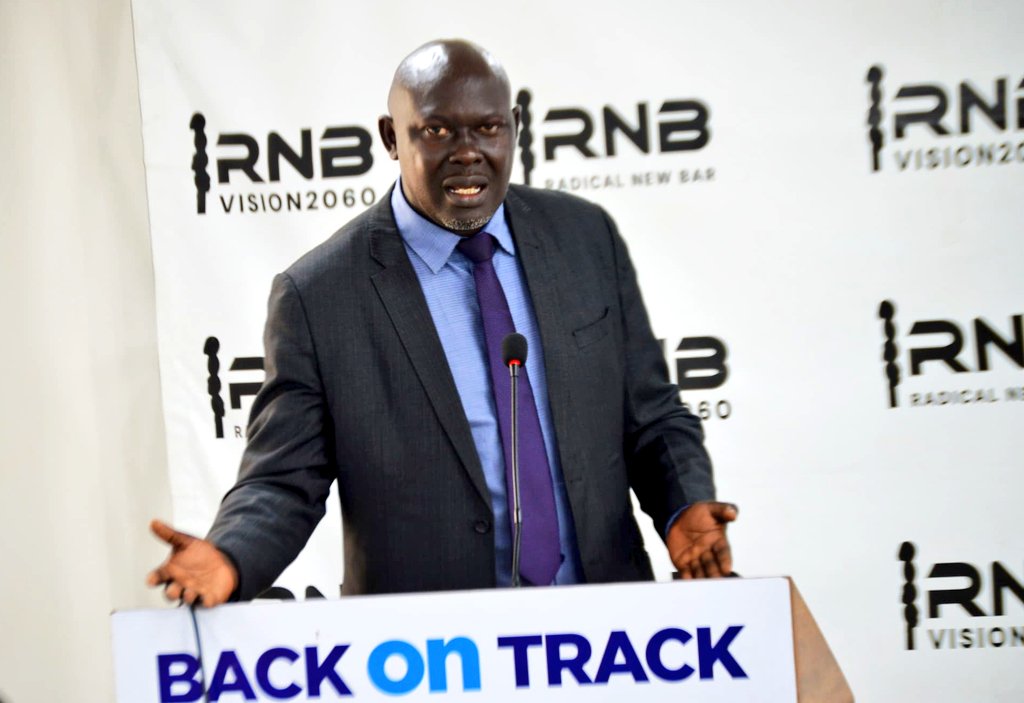
Kampala, Uganda: Civil society leaders and lawyers have accused the National Bureau for Non-Governmental Organisations of “punishing organisations before trial” following the suspension of several NGOs, citing serious due process violations and gaps in the enforcement of the law.
Speaking at the 3rd RNB Live of 2026 held at ULS House in Kololo on Thursday, Peter Magelah Gwayaka, the Executive Director of Development Network of Indigenous Voluntary Associations (DENIVA), argued that the suspension process executed by the National Bureau for Non-Governmental Organisations failed to comply with mandatory provisions under the NGO Act.
Gwayaka faulted the manner in which suspension letters were issued, particularly the role of the Bureau’s Secretariat.
“Section 16 of the Act creates a Secretariat headed by a secretary who is not a member of the Bureau. Yet suspension letters are being signed by the secretary purporting to act on behalf of the Bureau. That raises serious legal questions about authority,” he said.
A senior legal expert by profession, Gwayaka further argued that the NGO Act provides for an Adjudication Committee to hear disputes between NGOs and the Bureau, but that this mechanism has either not been operationalised or remains inaccessible.
“The law anticipated disagreements and created a dispute resolution mechanism. Suspending organisations without activating that process violates the right to a fair hearing,” he stated.
The lawyer described indefinite suspension as equivalent to the maximum penalty that can be imposed on a corporate entity. “You cannot imprison an organisation. The harshest sanction you can impose is closure. If that closure is indefinite and without a clear hearing process, then you are effectively punishing before trial,” Gwayaka said.

He also highlighted the broader consequences, noting that NGOs have contractual obligations, employees and beneficiaries who are directly affected when operations are abruptly halted and bank accounts frozen.
Political Context and Civic Space
Speaking at the same event, Godber Tumushabe, the Board Chairman at Centre for Constitutional Governance (CCG), framed the issue [of NGOs suspensions] as symptomatic of a wider political environment in which regulatory measures are used to constrain civic space.

“We are not just dealing with a legal technicality. We are dealing with a political problem,” Tumushabe said, adding that legal arguments alone may not resolve what he termed a deeper institutional crisis.
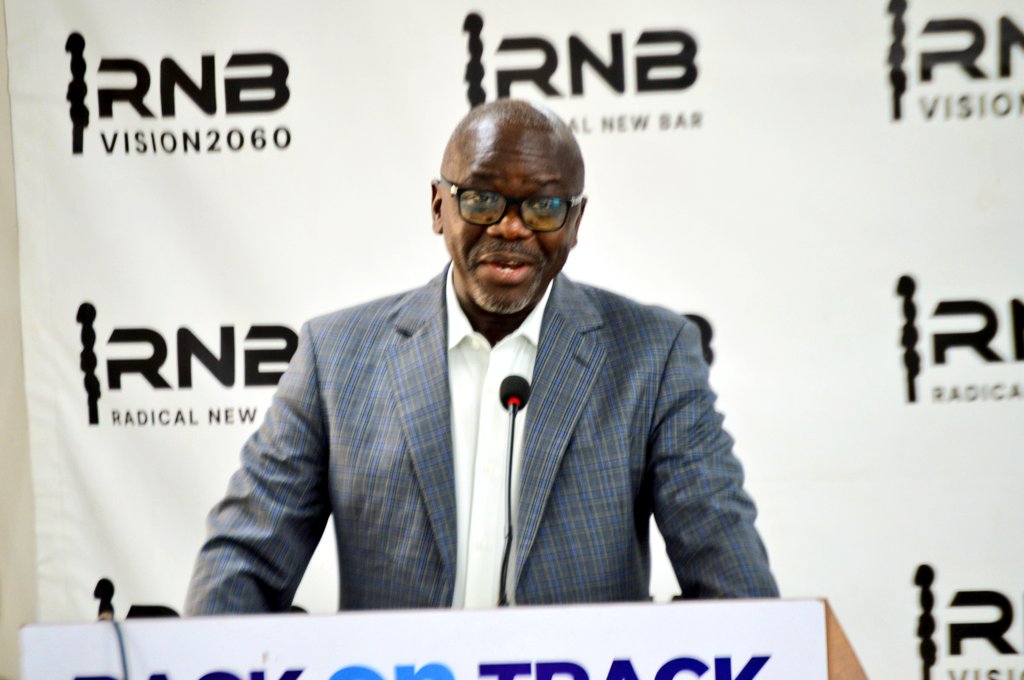
Tumushabe questioned whether cancellation of an NGO permit automatically dissolves the legal personality of an organisation. “A permit is not the same thing as a legal entity. Cancelling a permit does not dissolve a company. So on what legal basis are organisations being ordered to shut down completely?” he asked.
Background to the Suspensions
Earlier this year, the NGO Bureau suspended a number of organisations over alleged non-compliance and activities considered prejudicial to national security. The affected entities were directed to cease operations pending investigations.
Civil society actors have since raised concerns about the absence of clear timelines, lack of formal hearings, and the freezing of organisational bank accounts without what they describe as adequate procedural safeguards.
Lawyers at the Kololo press briefing called for strict adherence to the NGO Act, activation of the Adjudication Committee, and respect for constitutional protections, warning that failure to follow due process erodes public trust in regulatory institutions.
If you would like your article/opinion to be published on Uganda’s most authoritative news platform, send your submission on: [email protected]. You can also follow DailyExpress on WhatsApp and on Twitter (X) for realtime updates.

