
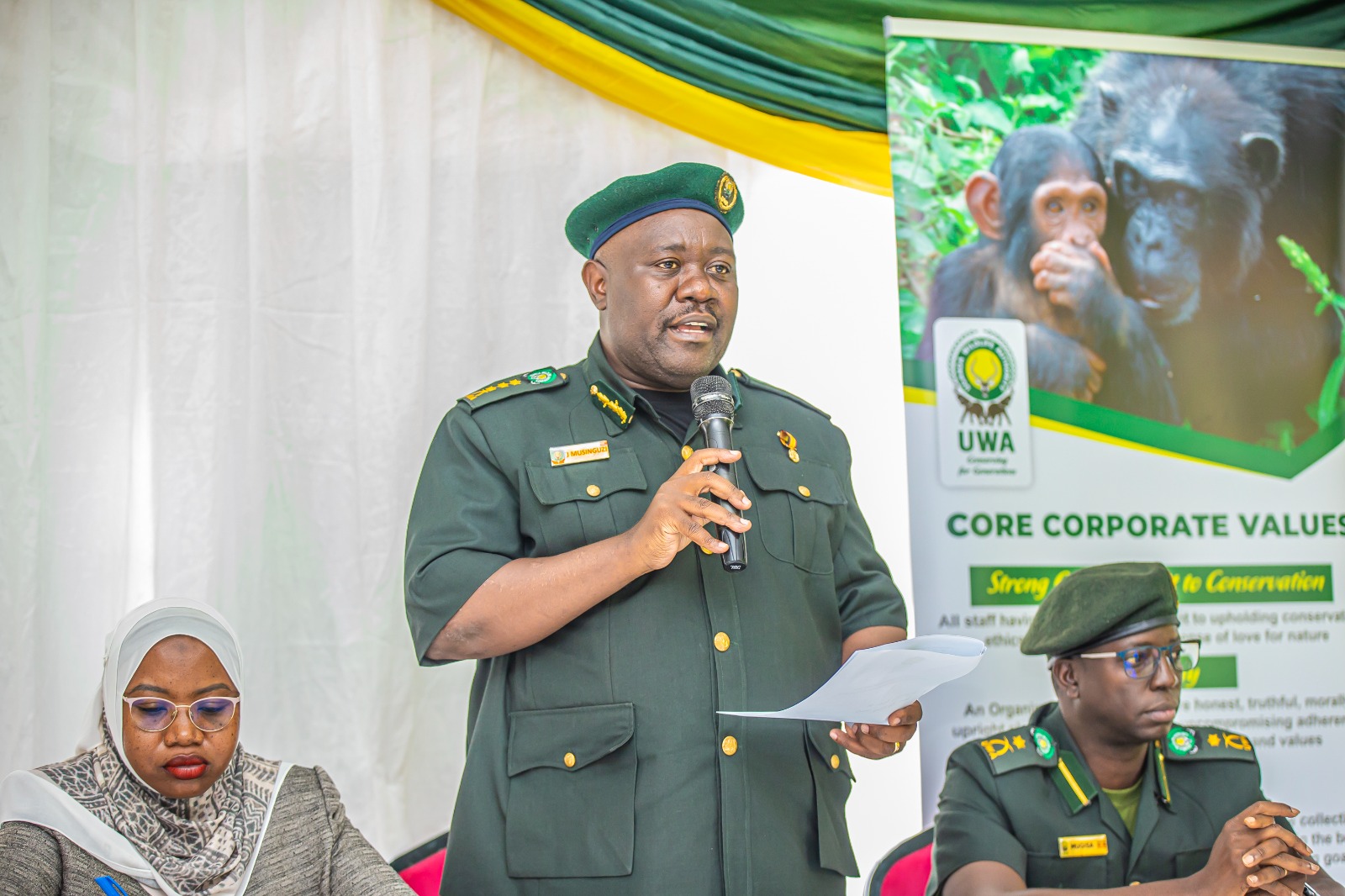
Kampala, Uganda: Uganda’s tourism sector is staging a powerful comeback, with wildlife-driven travel once again emerging as the backbone of the country’s foreign exchange earnings, a rebound Uganda Wildlife Authority (UWA) attributes to strengthened conservation, innovation and strategic leadership under Executive Director Dr James Musinguzi.
Speaking during an engagement with the media on Saturday, UWA officials revealed that tourism earnings have largely rebounded to, and in some segments surpassed, pre-COVID-19 levels, fueled primarily by nature-based attractions that continue to rank Uganda among Africa’s premier eco-tourism destinations.
“Before COVID-19, tourism was Uganda’s leading foreign exchange earner, and we have now recovered strongly. Nature-based tourism remains our biggest attraction, and this places conservation at the center of economic growth,” Dr Musinguzi said.
Wildlife Still Uganda’s Tourism Crown Jewel
Officials emphasized that most international visitors travel to Uganda for its national parks, rare species and biodiversity-rich ecosystems. While cultural tourism and heritage pilgrimages are expanding, wildlife experiences remain the sector’s strongest asset.
Tourism has been designated a key pillar in President Yoweri Museveni’s broader economic transformation agenda, alongside agriculture, minerals and energy, science and innovation, and manufacturing sectors expected to drive exponential national growth in the coming years.
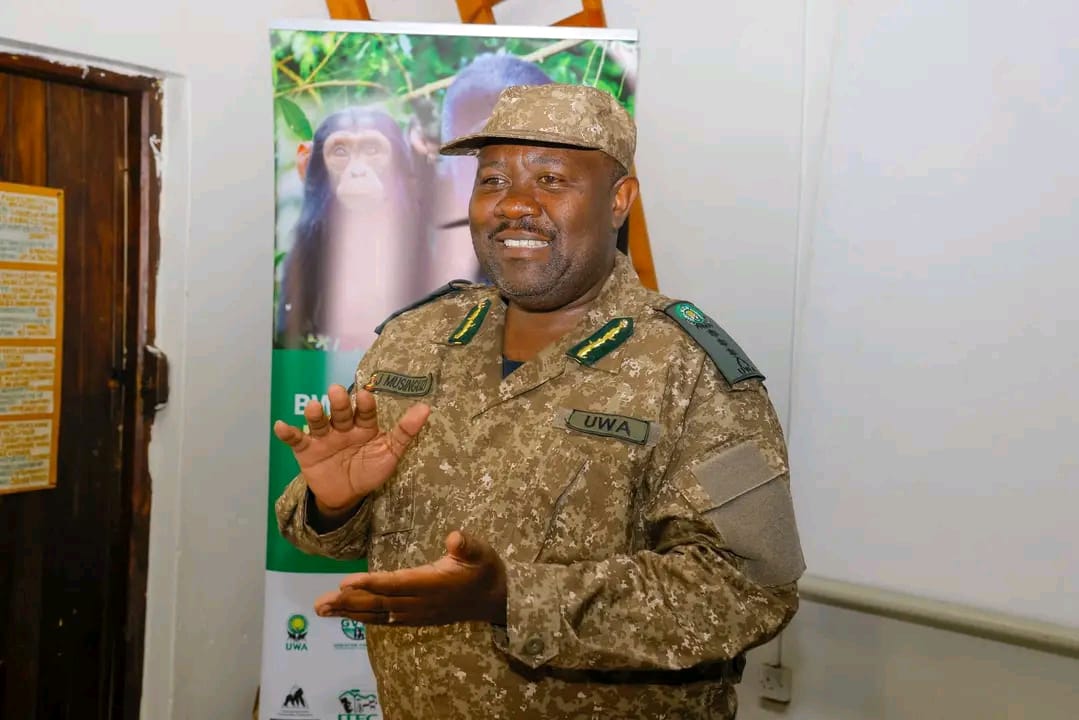
Under Dr Musinguzi’s stewardship, UWA has rolled out modern conservation interventions aimed at protecting wildlife while reducing conflict with surrounding communities. These include drone surveillance, expanded electric fencing, improved park access roads and intensified anti-poaching operations.
“We are implementing technology to curb cases of animals leaving parks to destroy people’s crops. Through drones, electric fencing, improved roads, and strengthened anti-poaching efforts, we are reducing human-wildlife conflict and protecting both people and animals,” Dr Musinguzi said.
He added that conservation success is inseparable from tourism growth. “Tourism is Uganda’s leading natural advantage and a key pillar in the country’s economic growth strategy. Growing tourism means growing jobs, communities, and national pride.”
Conservation Milestones Drawing Global Attention
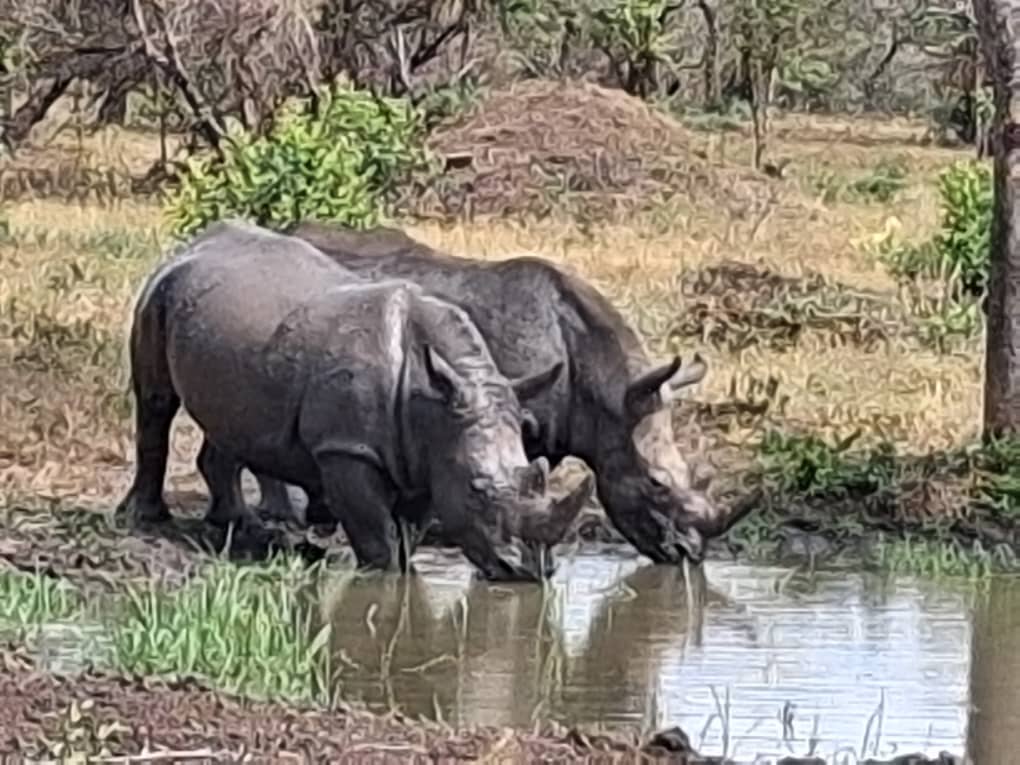
UWA highlighted landmark conservation gains that are now attracting renewed international interest. Among the most celebrated achievements is the restoration of rhinos, once extinct in Uganda. From just six animals at Ziwa Rhino Sanctuary, the population has grown to 60, paving the way for reintroduction into Ajai Wildlife Reserve.
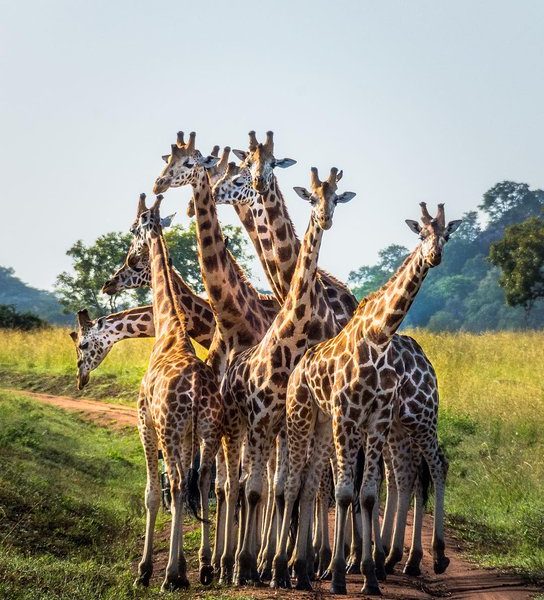
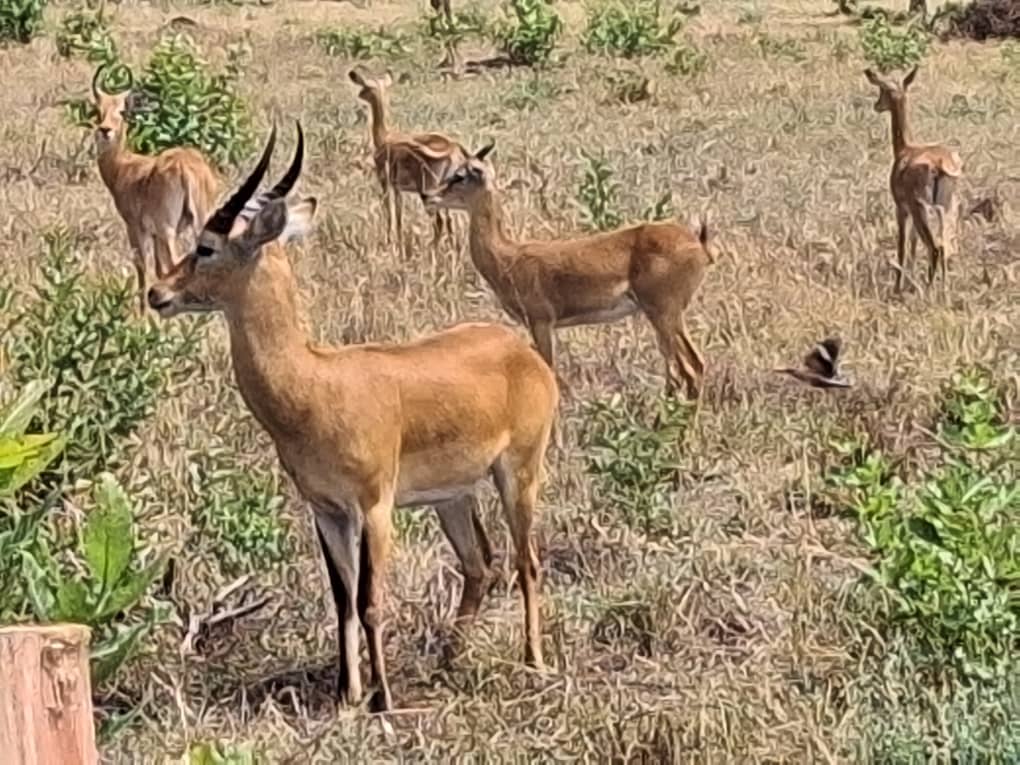
Tour operators report growing visitor circuits linking Ziwa, Ajai and Murchison Falls National Park, a development expanding economic opportunities for communities in the northern tourism corridor.

Lion populations are stabilizing in Queen Elizabeth National Park, while gorilla tourism in Bwindi Impenetrable National Park remains a flagship attraction, consistently drawing high-spending international travelers.
Community Integration & Shared Prosperity
Officials say conservation is increasingly being tied to community benefit-sharing models to ensure residents living near protected areas directly gain from tourism.
UWA has expanded support programs for families affected by wildlife conflict, including education sponsorships for children. Concession-based investment models within parks have also created employment opportunities for host communities.

“Uganda aims to grow its economy ten times, and tourism is ranked among the top sectors to make it happen. Promoting our natural heritage is everyone’s responsibility,” Dr Musinguzi said.
Domestic Tourism & Wildlife Education
The Uganda Wildlife Conservation Education Centre (Entebbe Zoo) was recently ranked among Africa’s top zoological institutions by the Pan African Association of Zoos and Aquaria, reflecting progress in conservation education.
Plans are underway to establish additional regional wildlife centers to boost domestic tourism and make wildlife experiences accessible to more Ugandans.
UWA Spokesperson Bashir Hangi urged responsible reporting, noting that destination perception plays a critical role in attracting visitors. “When information is not verified or is presented negatively, it affects the destination image. We encourage journalists to engage us, verify facts, and tell the full story of conservation progress,” Hangi said.
“Every tourist who enters a park contributes to conservation and supports livelihoods. Promoting tourism is therefore promoting national development,” he added.
New Wildlife Products Ahead
UWA also announced preparations for Uganda’s first comprehensive chimpanzee census in northern Bwindi — a move expected to unlock new tracking experiences and diversify the country’s primate tourism offerings.
With improving conservation outcomes, strengthened infrastructure and diversified tourism products, officials say Uganda is increasingly turning its wildlife heritage into a sustainable engine of economic transformation.
If you would like your article/opinion to be published on Uganda’s most authoritative news platform, send your submission on: [email protected]. You can also follow DailyExpress on WhatsApp and on Twitter (X) for realtime updates.