
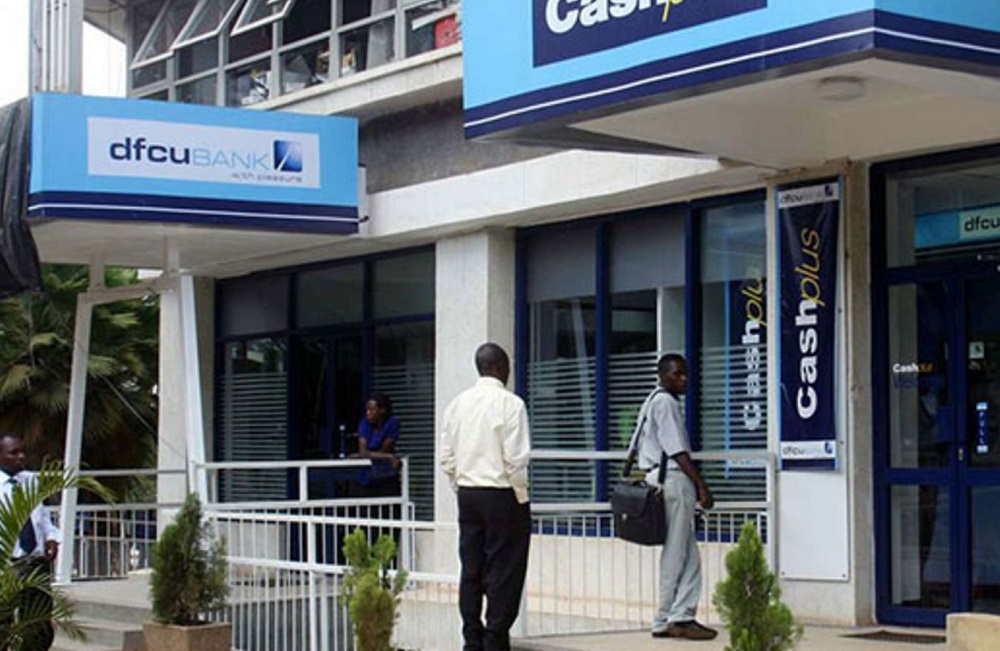
Kampala, Uganda: The High Court has ordered DFCU Bank to unfreeze a customer’s account holding over Shs80 million, ruling that the banking institution acted unlawfully and breached statutory obligations by maintaining the restriction for more than two years without proper reporting.
In a February 23, 2026 judgment delivered at the Civil Division in Kampala, Justice Joyce Kavuma held that DFCU’s continued freeze of Mr Bob Ainebyoona’s account was unjustified, procedurally flawed and in violation of both the Anti-Money Laundering Act and the constitutional right to property.
The court directed DFCU to unfreeze Account No. 010711576424** within seven days and awarded costs of the application to Ainebyoona.
Background of the Dispute
Court records show that Ainebyoona maintained a Dembe Account with DFCU Bank and described his banking relationship as cordial until he attempted to withdraw funds at the Naalya branch.
He was redirected to the Ndeeba branch and subsequently to the bank’s head office, where he was allegedly detained and arrested over accusations of theft involving Shs13.1 million linked to MKASH transactions.
Ainebyoona was later charged in Criminal Case No. 0655 of 2020 before the Chief Magistrate’s Court at Buganda Road. However, in December 2023, he was acquitted after the court found no criminal liability on his part, ruling that the disputed funds were proceeds from the sale of bitcoins by a co-accused.
Despite the acquittal, DFCU maintained a freeze on his account, which contained Shs80,450,748.
Court Faults AML Compliance
In its defence, DFCU argued that the restriction was based on internal investigations pointing to suspicious transactions and that criminal acquittal does not extinguish a financial institution’s regulatory obligations.
Through its Acting Head of Financial Crime Management, the bank relied on the Anti-Money Laundering Act, stating it was duty-bound to prevent possible dissipation of funds believed to be proceeds of crime.

However, Justice Kavuma found critical gaps in that defence. She observed that while banks may freeze accounts where suspicious activity is detected, the law requires such suspicions to be reported to the Financial Intelligence Authority within 48 hours or two working days.
The court found no evidence that DFCU made the mandatory report.
“It is inconceivable,” the judge ruled, “for the respondent to keep holding the applicant’s money on grounds of a continuing obligation to report when in fact they have not reported to the relevant authority.”
The court further emphasised that allegations of fraud must be strictly proved. DFCU, the judge noted, failed to present fresh evidence beyond matters already resolved in the criminal proceedings.

Justice Kavuma invoked Article 26 of the Constitution, which guarantees the right to property, holding that the prolonged restriction — long after acquittal and without statutory compliance — was unlawful.
She warned that permitting banks to indefinitely restrict customer funds based on unproven suspicions would effectively allow financial institutions to operate as “parallel tribunals,” undermining due process.
While the initial freeze may have been prudent, the judge ruled that the more than two-year restriction exceeded lawful limits.
Although Ainebyoona sought general damages, the court declined to award them due to lack of specific proof of quantified loss. However, he was awarded costs, meaning DFCU will bear his legal expenses.
Strong Signal to Financial Institutions
The ruling sends a clear message to banks operating in Uganda: anti-money laundering powers must be exercised within statutory timelines, evidentiary standards and constitutional safeguards.
Unless appealed, DFCU Bank must comply with the order within seven days — effectively ending a protracted dispute that began with a blocked withdrawal and concluded with a decisive High Court victory for the customer.
If you would like your article/opinion to be published on Uganda’s most authoritative news platform, send your submission on: [email protected]. You can also follow DailyExpress on WhatsApp and on Twitter (X) for realtime updates.