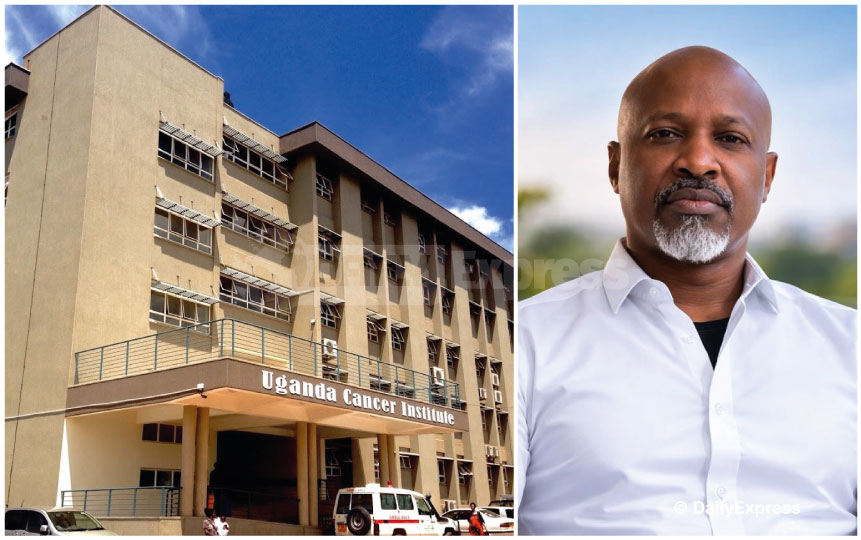
Kampala, Uganda: A growing number of Ugandan cancer patients are abandoning life-saving treatment not because they have lost hope, but because they cannot afford food, accommodation and transport in the capital — a gap philanthropist Gilbert Kevin Jimmy Kwizera is now working to close through the Cancer Charity Foundation (CCF).
Each year, an estimated 6,000 to 7,000 new cancer cases are registered at the Uganda Cancer Institute, the country’s principal oncology centre located within Mulago National Referral Hospital. The Institute records between 60,000 and 70,000 outpatient visits annually — a figure that reflects the heavy burden of follow-up reviews, repeated investigations and prolonged treatment cycles.
Yet for many patients, especially those from rural districts, reaching Kampala is only the beginning of the struggle.
The Hidden Cost of Treatment
Cancer care in Uganda is centralized in the capital, forcing families to travel long distances for chemotherapy, radiotherapy and follow-up reviews. Treatment often stretches for months or years.
For subsistence farmers and low-income earners, daily rent, meals and transport in Kampala quickly become unbearable. Many sell livestock or land; others accumulate debts they may never repay. When money runs out, treatment is interrupted — not out of neglect, but necessity.
Health workers acknowledge that proximity to treatment and proper nutrition are critical determinants of whether a patient completes therapy. Missing sessions can reverse progress and reduce survival chances.
It is this social and financial barrier, rather than medical capacity alone, that Kwizera sought to address.
Cancer Charity Foundation: Bridging the Gap
Gilbert Kevin Jimmy Kwizera founded the Cancer Charity Foundation (CCF) after witnessing how patients were forced out of care by homelessness, hunger and stress.
Rather than providing clinical treatment, CCF operates as a support system working alongside hospitals to ensure patients remain in therapy. The foundation prioritizes vulnerable individuals — particularly those from outside Kampala with little social support and those at risk of discontinuing treatment.
Each case is assessed individually, considering treatment duration, family support, financial vulnerability and overall risk.
The Haven: Stability Near Treatment
At the heart of CCF’s intervention is “The Haven,” a residential support centre located near major referral hospitals in Kampala.
The facility provides safe accommodation for patients and caregivers between treatment sessions. Beyond shelter, residents receive regular meals designed to support recovery and strength during chemotherapy and other demanding therapies.

For caregivers — often parents of young patients — The Haven offers stability and dignity in an otherwise uncertain environment.
By eliminating the daily anxiety of rent and food, patients can focus entirely on their hospital schedules and recovery.
A Life Extended
One long-term patient’s journey illustrates the impact of such support. Diagnosed at a young age, he battled recurrent cancer for 24 years. Each relapse required travel to Kampala, steadily draining his family’s savings.
At one point, the family nearly discontinued treatment due to lack of accommodation and food in the city. Through CCF’s intervention, he secured a place at The Haven and consistent meals, enabling him to adhere to his treatment schedule.

He completed therapy without interruption.
Stories like his underscore the reality that survival often depends as much on social support as on medical intervention.
A National Challenge
Uganda’s cancer burden continues to rise, driven by improved detection and growing awareness. With most oncology services concentrated in Kampala, rural patients remain disproportionately affected by logistical barriers.
While hospitals manage diagnosis and clinical care, organisations such as CCF fill the crucial gap between prescription and completion.
Cancer, experts note, is not merely a disease of the individual but one that destabilizes entire households. Income is lost, children drop out of school, and assets are sold to finance temporary survival.
By absorbing accommodation and food costs during treatment, CCF reduces the risk of families descending into irreversible poverty.
Beyond Charity
Kwizera’s model demonstrates that practical compassion — a bed near the hospital, a nutritious meal, and guidance through medical appointments — can directly influence treatment adherence and outcomes.
As Uganda strengthens its oncology capacity, stakeholders say complementary community-based support systems will be vital in ensuring that patients not only start treatment but complete it.
For many families, The Haven represents more than shelter. It is the difference between stopping halfway and seeing treatment through.
If you would like your article/opinion to be published on Uganda’s most authoritative news platform, send your submission on: [email protected]. You can also follow DailyExpress on WhatsApp and on Twitter (X) for realtime updates.