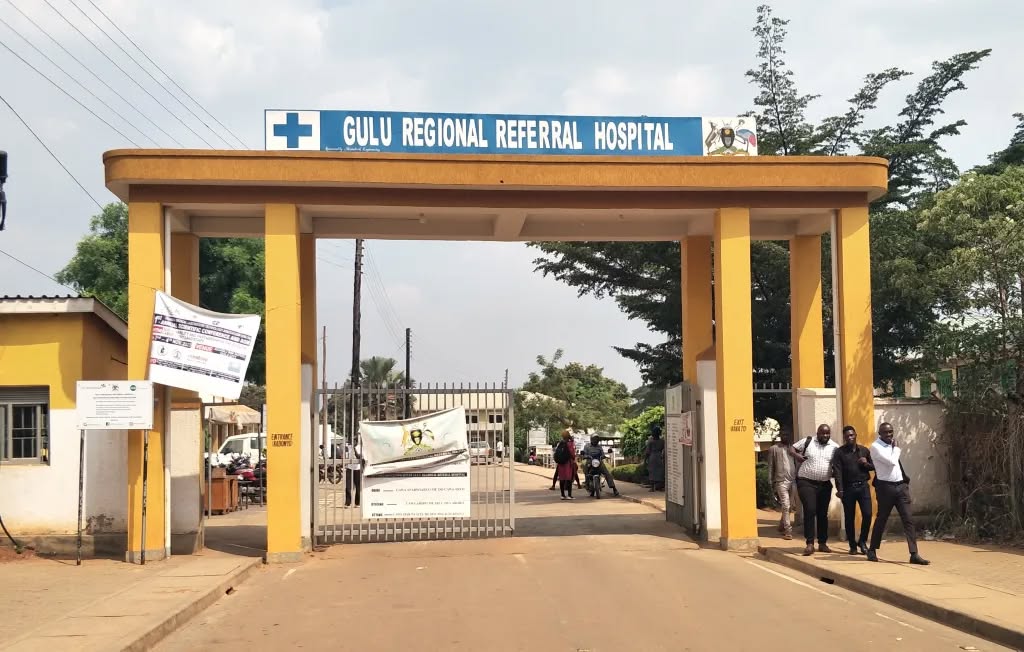
Gulu City, Uganda: Officials at Gulu Regional Referral Hospital have welcomed a new resolution to decentralize the handling of unclaimed bodies, saying the move has significantly reduced pressure on the facility’s overstretched mortuary and improved service delivery.
For years, the referral hospital has been receiving unclaimed bodies from neighbouring districts, forcing its mortuary, built to accommodate only nine bodies, to operate beyond capacity.
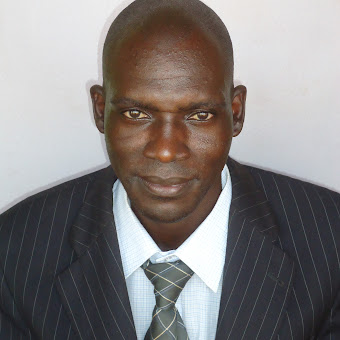
Mr Walter Uriekwun, the Principal Hospital Administrator, said the situation had become untenable.
“Our mortuary has a capacity of only nine bodies, but at certain times we have had more than double that number,” Mr Uriekwun said in an interview on Friday. “This has been putting serious pressure on our staff and affecting services in nearby departments.”
The breakthrough followed a security meeting held on Friday, February 27, 2026, at the hospital’s boardroom, where district leaders and security officials resolved to decentralize the management of unclaimed bodies.
“After the security meeting, it was agreed that bodies should be handled within the zones where they are recovered,” Mr Uriekwun explained. “We can no longer continue receiving all unclaimed bodies from across the sub-region.”
Under the new arrangement, bodies found in the Kitgum zone will be taken to Kitgum General Hospital, while those recovered in Nwoya zone will be handled by Anaka General Hospital. Bodies found in Pabbo zone will be kept at Awach Health Center IV.
The referral hospital will now only manage bodies found within Gulu City and its immediate surroundings.

“This decision is a big relief to us,” Mr Uriekwun said. “It means we can concentrate on our core mandate as a referral hospital instead of functioning as a regional mortuary.”
He added that the congestion had been affecting critical service points located near the mortuary, including the Ear, Nose and Throat (ENT), antenatal and eye clinics.
“When unclaimed bodies are not picked in time and start decomposing, there is a foul smell that affects both patients and health workers,” he said. “Expectant mothers and patients seeking ENT or eye services have had to endure unpleasant conditions. It has not been easy.”

According to hospital administrators, most unclaimed bodies are victims of road crashes, drowning incidents and mob justice. By policy, such bodies are kept for two weeks to allow relatives to claim them. If no family member comes forward, they are buried in a public burial ground.
Mr Uriekwun emphasized that decentralization would also enhance accountability at district level.
“Each district must take responsibility for bodies found within its jurisdiction,” he said. “This is about proper coordination and ensuring that no single facility is overwhelmed.”
Health officials believe the new arrangement will not only ease logistical strain but also restore dignity in the handling of the deceased while improving the hospital environment for patients.
“With the reduced numbers, we are already seeing improvement in service delivery,” Mr Uriekwun noted. “Our priority is to provide quality healthcare, and this decision helps us do exactly that.”
If you would like your article/opinion to be published on Uganda’s most authoritative news platform, send your submission on: [email protected]. You can also follow DailyExpress on WhatsApp and on Twitter (X) for realtime updates.