
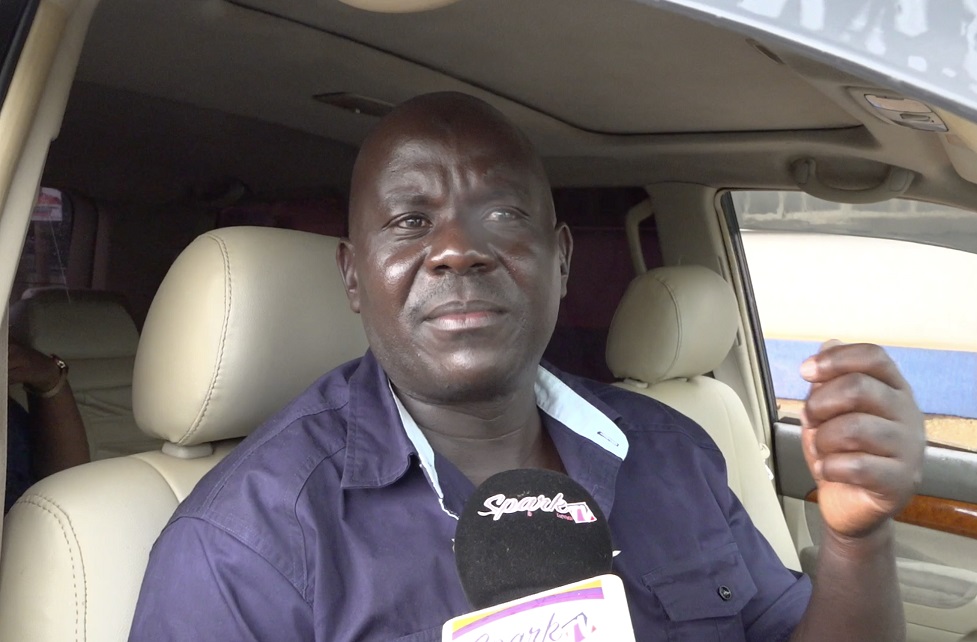
Kampala, Uganda: Businessman Muhammad Ssebuufu, who was in 2019 sentenced to decades in prison over the kidnapping and murder of city businesswoman Betty Donah Katusabe, has been released after receiving a presidential pardon from H.E Yoweri Kaguta Museveni.
The decision was confirmed in a statement by the Uganda Prisons Service, marking a dramatic turn in one of Uganda’s most closely watched criminal cases of the past decade.
The 2015 Killing
Ssebuufu’s case dates back to October 2015, when Katusabe was abducted from her home in Bwebajja, Wakiso District. Prosecutors told court that she had purchased a vehicle from Ssebuufu’s Pine Car Bond business and later became entangled in a financial dispute over an alleged unpaid balance of Shs 9 million.
According to the prosecution, Katusabe was taken to the car bond premises, assaulted and later succumbed to injuries sustained during the attack. The incident sparked national outrage and raised concerns about violent debt recovery practices.
Ssebuufu and several co-accused were arrested, charged with kidnapping, aggravated robbery and murder.
Conviction and Sentence
In 2019, the High Court of Uganda found Ssebuufu and his co-accused guilty, ruling that the prosecution had proved beyond reasonable doubt that they participated in the unlawful detention and fatal assault of Katusabe.
Ssebuufu was handed a 40-year prison sentence, the stiffest among the accused, while his co-convicts received terms ranging between 20 and 35 years.
In 2021, the Court of Appeal of Uganda upheld the murder conviction but reduced Ssebuufu’s sentence from 40 years to 18 years, citing sentencing principles and proportionality.

Subsequent legal attempts to overturn the conviction were unsuccessful, leaving the reduced sentence intact.
Presidential Prerogative of Mercy
However, in a dramatic turn of events, on February 27, 2026, Ssebuufu walked free from Luzira Prison after being granted clemency under constitutional provisions that empower the President to exercise the prerogative of mercy on the advice of the Advisory Committee on the Prerogative of Mercy.
Prison authorities confirmed that the instrument of pardon had been received and implemented, leading to his immediate release.

Shortly after regaining his freedom, Ssebuufu publicly maintained his innocence, thanked the President for what he termed an act of mercy, and expressed his desire to rebuild his life and business. He also appealed for reconciliation with the victim’s family.
Mixed Public Reaction
The pardon has drawn mixed reactions within legal and civic circles. Supporters argue that the prerogative of mercy is a lawful constitutional tool designed to temper justice with compassion and rehabilitation.
Critics, however, have questioned the timing and broader implications of granting clemency in a case involving violent crime that once ignited national debate.
For many Ugandans, the Katusabe case remains a painful reminder of the dangers of mob justice and extra-legal debt recovery practices — and of the lasting trauma endured by victims’ families.
As Ssebuufu resumes life outside prison, the case continues to shape conversations around justice, punishment, rehabilitation and executive authority in Uganda’s legal system.
If you would like your article/opinion to be published on Uganda’s most authoritative news platform, send your submission on: [email protected]. You can also follow DailyExpress on WhatsApp and on Twitter (X) for realtime updates.