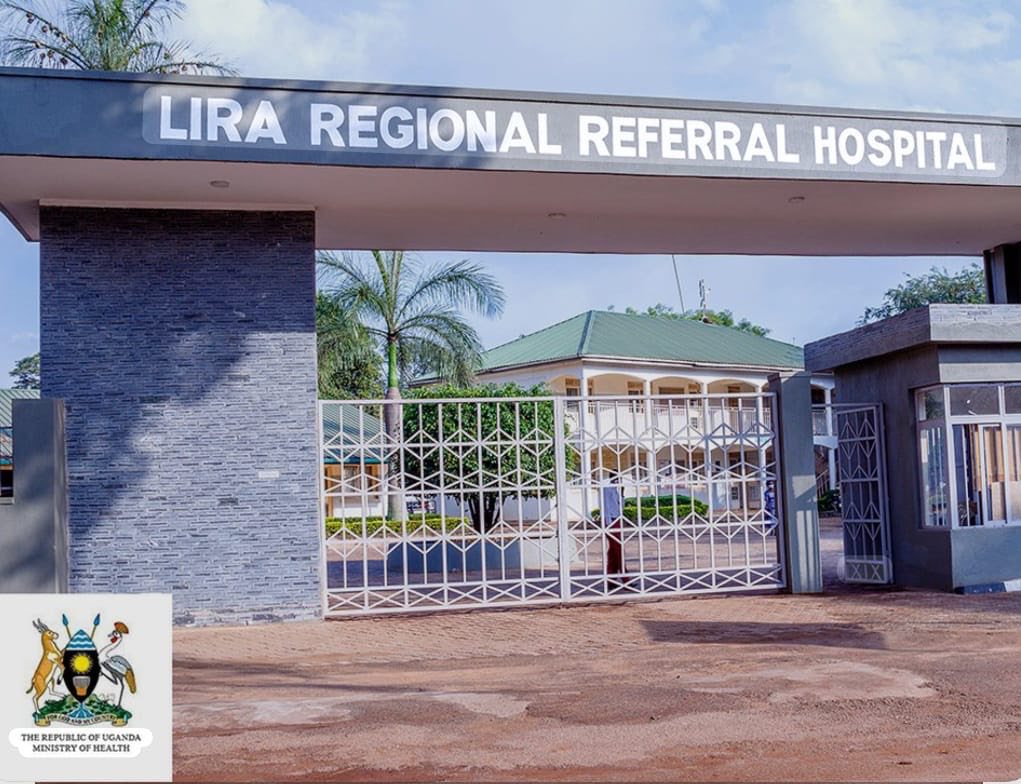
Lira City, Uganda: Lira Regional Referral Hospital has unveiled plans to establish specialised facilities, including a regional blood bank, breast milk bank and sperm bank in a move aimed at reducing patient referrals to Kampala.
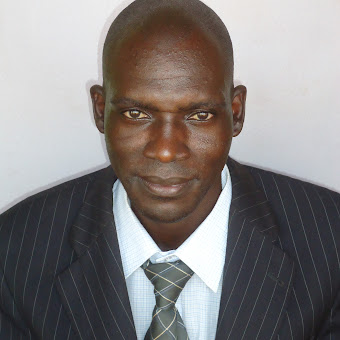
Hospital Director Dr Andrew Odur said the expansion is part of government efforts to strengthen regional referral hospitals and bring advanced reproductive and neonatal services closer to communities in northern Uganda.
“The regional blood bank is currently under construction; this will be followed by the breast milk bank. In the near future, we shall also have a sperm bank,” Dr Odur revealed while speaking on QFM Lira.
Dr Odur noted that blood shortages have continued to affect emergency response, maternal health services and surgical procedures across the Lango sub-region.
“We continue to register cases where patients need urgent blood transfusions. Having a fully equipped regional blood bank here will improve response time and save lives,” he said.
Once operational, the breast milk bank will support premature and critically ill newborns whose mothers are unable to produce sufficient milk.
“A breast milk bank will ensure babies receive safe, screened donor milk,” he added.

The proposed sperm bank is intended to provide scientific infertility solutions within the region, reducing the need for families to seek services in Kampala or abroad. “Infertility is a medical condition. We want to provide solutions within our region,” Dr Odur said.
Health experts explain that sperm and breast milk banks operate under strict screening and ethical standards to ensure safety for both donors and recipients.
Mixed Reactions from Community
The announcement has drawn mixed reactions across Lira and neighbouring districts.

Some residents welcomed the move, saying it will reduce travel costs and stigma for couples struggling with infertility, while youth leaders praised the breast milk bank as a potential intervention against infant mortality.
However, religious and cultural leaders have called for sensitisation and clear legal guidelines before full implementation, citing the sensitive nature of reproductive health services.
Dr Odur acknowledged the concerns and pledged public engagement.
“We shall not impose services on the community. There will be sensitisation, stakeholder engagement and clear medical guidelines. Our goal is to improve lives while respecting cultural values,” he said.
If fully implemented, the new specialist facilities are expected to significantly reduce referrals to Mulago National Referral Hospital and private fertility centres, marking a major step toward decentralising specialised healthcare services in Uganda.
If you would like your article/opinion to be published on Uganda’s most authoritative news platform, send your submission on: [email protected]. You can also follow DailyExpress on WhatsApp and on Twitter (X) for realtime updates.