
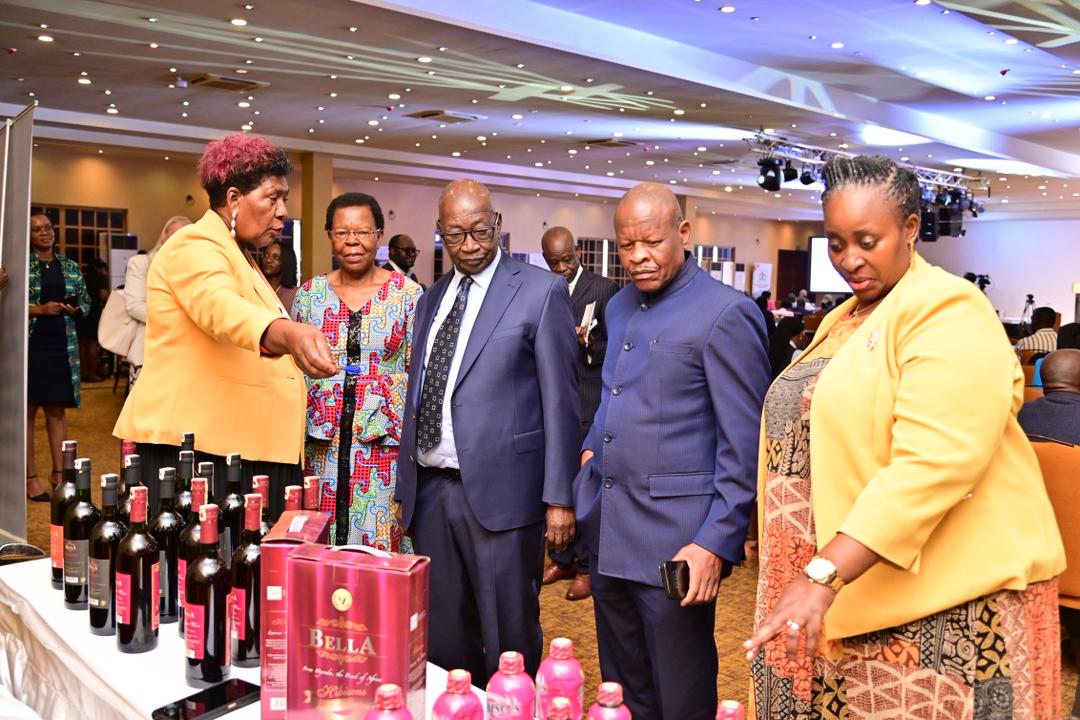
Kampala, Uganda: Experts and policymakers have called for accelerated trade reforms to drive Uganda’s ambition of building a $500 billion economy by 2040 as the National Trade Sector Review Conference (NTSC) 2026 opened at the Speke Resort Convention Centre in Munyonyo.
The two-day conference, convened by the Ministry of Trade, Industry and Cooperatives in partnership with TradeMark Africa and UK International Development, is being held under the theme “Trade-Driven Transformation: Propelling Uganda to a $500B Economy by 2040.”
The forum has brought together government leaders, private sector players, development partners and regional institutions to review Uganda’s trade performance and identify reforms needed to strengthen the country’s competitiveness in regional and global markets.
Opening the conference, Trade Minister Hon Francis Mwebesa said trade and industrialisation remain key pillars of Uganda’s economic transformation agenda.
“Trade remains central to our country’s transformation agenda and is a critical driver of the Ten-Fold Growth Strategy aimed at expanding Uganda’s economy to $500 billion in the medium term,” Mwebesa said.
He highlighted strong trade growth in recent years, noting that Uganda’s export earnings rose from about $5 billion in 2020 to more than $13 billion in 2025.
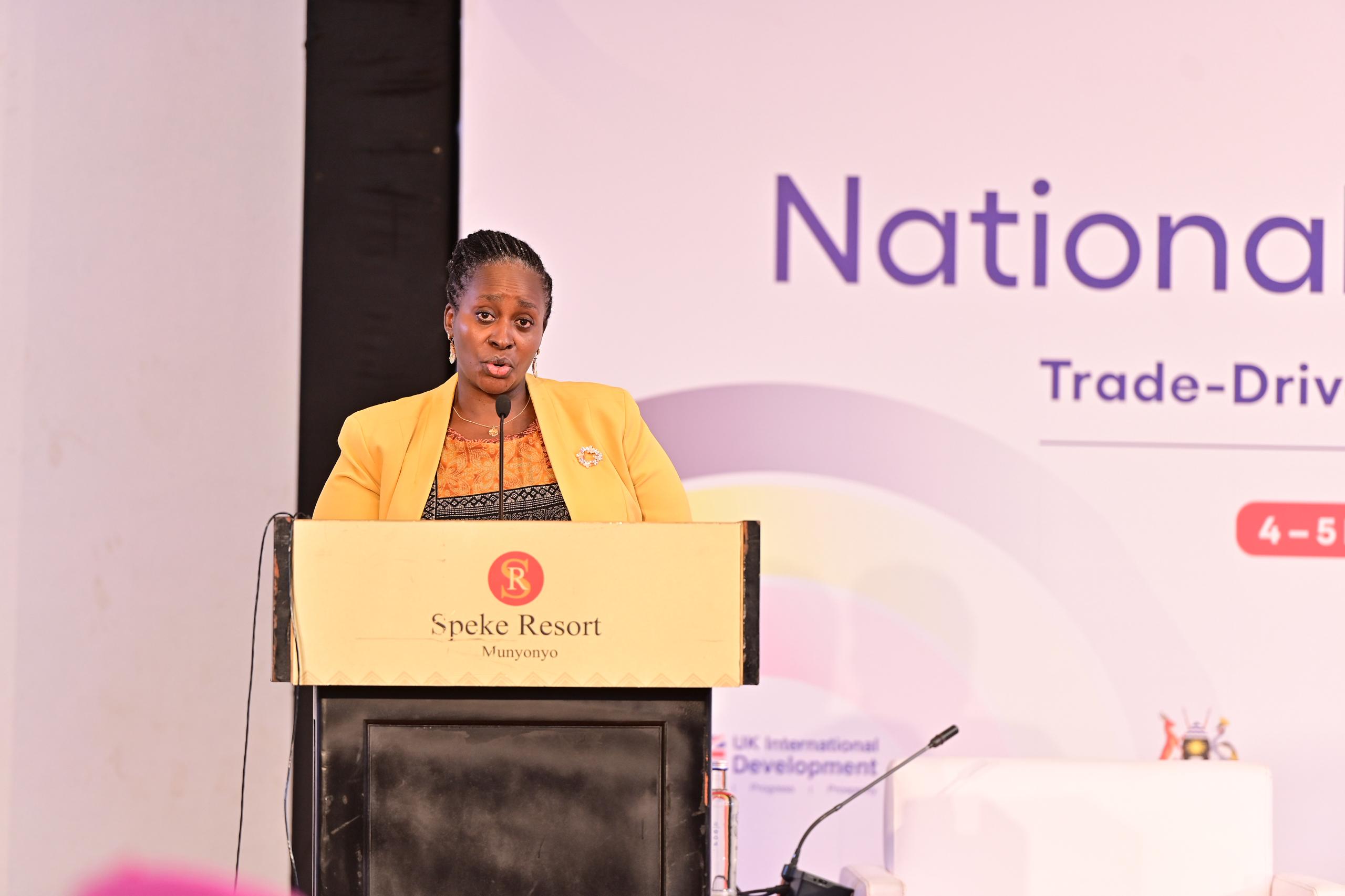
Trade Ministry Permanent Secretary, Lynette Bagonza, said the conference provides a platform for accountability and alignment among institutions implementing the national trade agenda.
“This conference is not simply a technical exercise. It is an opportunity to account to the people of Uganda for the progress we have made and to openly discuss the challenges that remain,” Bagonza said.
The Country Director of TradeMark Africa in Uganda, Anna Nambooze, said trade facilitation reforms have significantly reduced the cost and time required for cross-border trade.

She noted that operationalisation of One Stop Border Posts along the Northern Corridor has cut border crossing times by nearly 70 percent while doubling trade traffic.
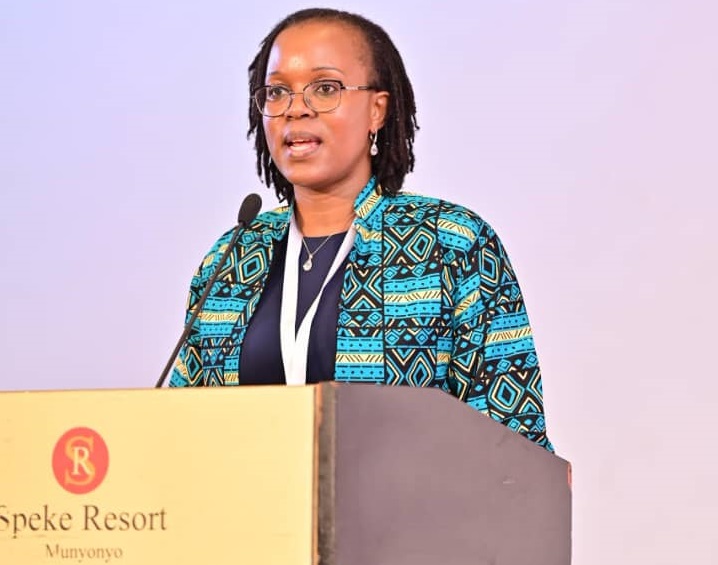
“Digitising trade processes such as the Uganda Electronic Single Window has reduced export approval timelines by more than 30 percent, generating estimated annual savings of over $25 million for the private sector,” she said.
Global Partners Back Uganda’s Trade Agenda
The British High Commissioner to Uganda, Lisa Chesney, emphasised the role of international partnerships in strengthening Uganda’s trade ecosystem.

“Let us focus on the last mile of trade policy implementation — ensuring that reforms translate into real opportunities for businesses, exporters and entrepreneurs,” Chesney said.
Private sector leaders also used the platform to highlight persistent infrastructure bottlenecks affecting competitiveness.
Victoria Sekitoleko urged government to address gaps in transport, power supply and border efficiency to unlock agro-industrial growth. “We have traders who spend up to two months at the Elegu border trying to cross to South Sudan,” she said.
Similarly, Manish Kara said unreliable electricity has forced some factories to operate at night to maintain production. “We request government to upgrade infrastructure and update policies that provide ease of doing business,” Kara said.
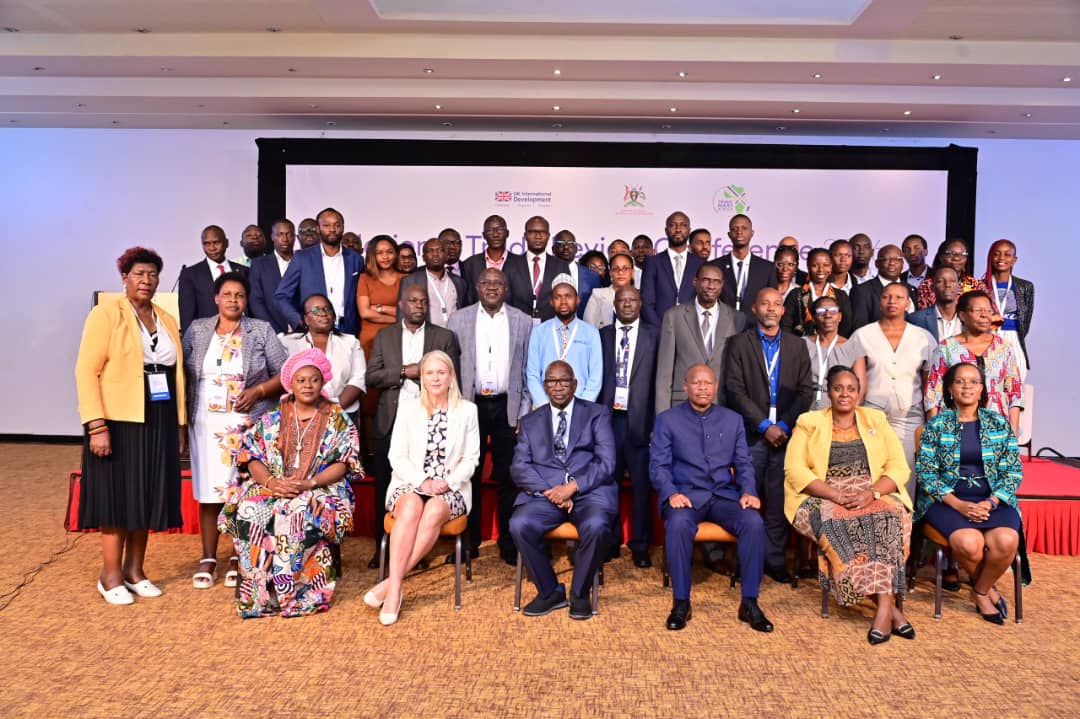
Over the next two days, participants will discuss export competitiveness, regional integration, services trade expansion, digital trade systems and trade facilitation.
Officials say the outcomes of the conference will inform policy reforms aimed at accelerating Uganda’s transition to a $500 billion economy by 2040.
If you would like your article/opinion to be published on Uganda’s most authoritative news platform, send your submission on: [email protected]. You can also follow DailyExpress on WhatsApp and on Twitter (X) for realtime updates.