Gulu City, Uganda: HIV/AIDS focal persons in the Acholi sub-region have raised alarm over critical funding shortages, warning that inadequate financial support is undermining community sensitisation and prevention programmes in a region already facing higher-than-average HIV prevalence.
The officials say although the government policy provides for 0.1 percent of district budgets to support HIV/AIDS activities, the funds rarely reach the district focal persons responsible for coordinating the response on the ground.
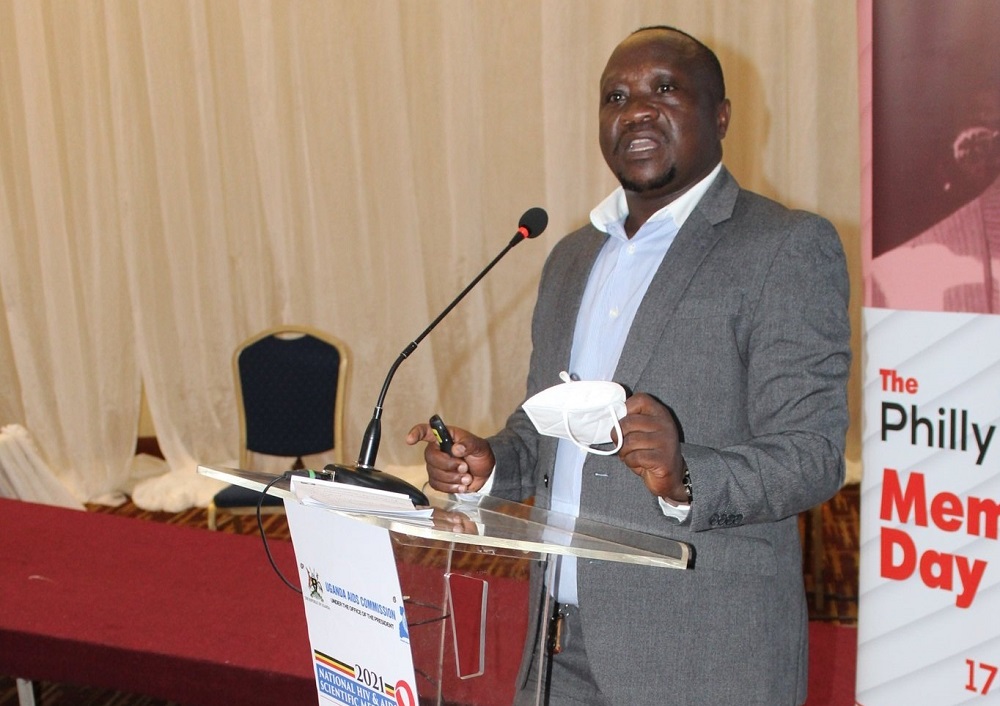
The concerns were raised during a stakeholders’ meeting organised by the Uganda AIDS Commission at Bomah Hotel in Gulu City on Thursday, which brought together district health educators, communication officers, HIV focal persons and media practitioners involved in HIV communication.
Participants said the lack of operational funding has significantly limited their ability to implement awareness campaigns and community outreach programmes.
“We are supposed to coordinate HIV activities at district level, but the challenge is that the funds allocated for HIV programmes do not reach our offices,” one of the focal persons said during the meeting.
He added that without facilitation, district HIV teams are unable to organise dialogues or conduct community mobilisation activities aimed at preventing new infections.
“Without facilitation we cannot move to communities, organise dialogues or support awareness campaigns, yet these are the activities that help people understand how to prevent HIV infection,” he said.
Another official said several planned interventions across the Acholi sub-region have stalled because focal persons lack operational resources.
“We have strategies and work plans in place, but implementation remains a challenge because there is no funding reaching us directly. That limits our ability to conduct sensitisation in villages where it is most needed,” the official noted.
Health officials say the funding gap is particularly worrying given the region’s HIV burden.
According to available data, the Acholi sub-region has an HIV prevalence rate of about 5.9 percent, higher than the national average of 4.9 percent, highlighting the need for sustained prevention campaigns and community engagement.

Responding to the concerns, Dr Peter Wakooba, Monitoring and Evaluation Officer at the Uganda AIDS Commission, called on district leadership to ensure that resources allocated for HIV programmes are released to the responsible officers.
“The government allocates resources to districts to support HIV programmes,” Dr Wakooba said. “Chief Administrative Officers should ensure that this funding reaches the focal persons so that they can implement the planned activities.”
He stressed that strengthening district-level responses is critical to controlling infection rates in the region.

Dr Wakooba also warned of growing complacency among young people regarding HIV prevention.
“We are beginning to see complacency among the youth,” he said. “Many young people today fear pregnancy more than they fear HIV infection, yet HIV is a lifelong condition.”
He urged HIV focal persons and communication officers to adopt more innovative approaches when delivering prevention messages, particularly targeting young people.
“We must rethink how we communicate with the youth. We need new approaches that resonate with them and remind them that HIV remains a serious public health issue,” he said.
Participants also emphasised the role of the media in strengthening HIV awareness campaigns and ensuring consistent messaging on prevention, testing and treatment.
They called for stronger collaboration between health officials, communication officers and journalists to amplify public health messages across the Acholi sub-region.
Health experts warn that without adequate funding and sustained community outreach, progress made in reducing HIV infections could slow down or even reverse in some areas.
For district HIV focal persons, however, the message remains clear: resources must reach frontline implementers if the fight against HIV/AIDS is to remain effective.
If you would like your article/opinion to be published on Uganda’s most authoritative news platform, send your submission on: [email protected]. You can also follow DailyExpress on WhatsApp and on Twitter (X) for realtime updates.