

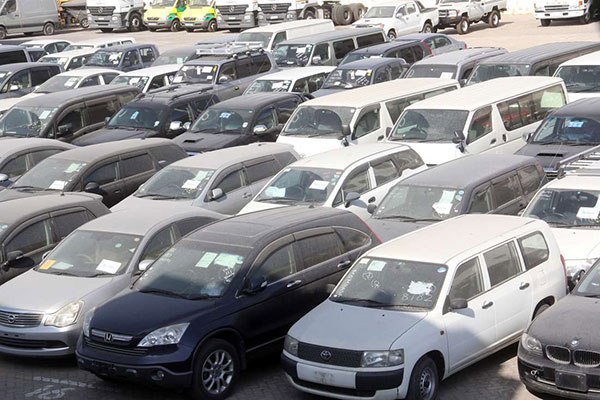
Kampala, Uganda: The government has proposed sweeping changes to Uganda’s vehicle importation policy, seeking to ban cars older than 13 years under reforms contained in the Revenue Enhancement and Compliance Measures for the 2026/27 financial year.
The proposal, which amends provisions under the Traffic and Road Safety Act, reduces the current import age limit from 15 years to 13 years in a move aimed at phasing out older vehicles and promoting cleaner, more efficient transport.
In addition to the revised age cap, government is proposing a new Environmental Levy structure targeting vehicles aged nine years and above.
Under the proposed framework,
– 13-year-old vehicles – 50% levy
– 12-year-old vehicles – 40%
– 11-year-old vehicles – 30%
– 10-year-old vehicles – 20%
– 9-year-old vehicles – 10%
Vehicles below nine years will remain exempt.
This marks a departure from the current flat 20% levy and is expected to significantly reshape vehicle pricing and import trends in Uganda.
Government argues that older vehicles place a growing burden on the economy and the environment due to frequent breakdowns, high maintenance costs, and increased demand for imported spare parts.
Officials say this drives up pressure on foreign exchange while contributing to higher emissions and poor fuel efficiency.

By tightening import rules, authorities aim to reduce pollution, improve the quality of the national vehicle fleet, and ease strain on external reserves. The reforms are also projected to generate an additional UGX 19 billion in domestic revenue.
Uganda’s current 15-year import limit was introduced in the early 2000s to balance affordability with road safety at a time when vehicle ownership was still low.

However, rapid growth in the number of vehicles has exposed weaknesses in the policy, with many imports now considered outdated by global standards.
Older vehicles have increasingly been linked to urban pollution, frequent mechanical failures, and rising costs of spare parts.
While previous budgets introduced incremental tax measures to discourage older imports, the core age limit has remained unchanged until now.
The 2026/27 proposal represents the most direct overhaul of Uganda’s vehicle importation framework in over two decades.
Analysts say the reforms signal a broader policy shift from prioritising affordability to focusing on environmental sustainability, fuel efficiency, and long-term economic resilience.
If you would like your article/opinion to be published on Uganda’s most authoritative news platform, send your submission on: [email protected]. You can also follow DailyExpress on WhatsApp and on Twitter (X) for realtime updates.

