
Gulu City, Uganda: Health experts, lawmakers, and rights advocates have raised alarm over the rising use of unsafe herbal abortions among girls and women in Gulu, linking the trend to stigma, legal fears, and limited access to reproductive health services.
The concerns were highlighted during a café dialogue held at City Yard, which convened 15 journalists from various media houses across Gulu City to spotlight the dangers of unsafe abortion and gaps in family planning awareness.
Participants noted that many women, particularly in traditional communities, continue to rely on herbal remedies due to the belief that they are safer and more natural than modern medical options. However, experts warned that such methods are often life-threatening and contribute significantly to maternal deaths.
Uganda’s Penal Code criminalises abortion, stating that any person who unlawfully administers substances or uses any means to procure a miscarriage commits a felony punishable by up to 14 years in prison. This legal environment, stakeholders said, has pushed many women into secrecy and unsafe practices.
One survivor, Anena Juliet (not her real name), recounted her near-death experience after attempting to terminate an unplanned pregnancy.
“The moment I took that harmful drug, I thought it was over for me. I fainted, and when I came to an hour later, my body was a mess of blood. That’s when they told me the pregnancy had come out,” she said.
Juliet said fear of parental backlash and community shame, coupled with her determination to continue schooling, drove her to seek unsafe options. She appealed to government to intensify grassroots sensitisation on safe reproductive health services.
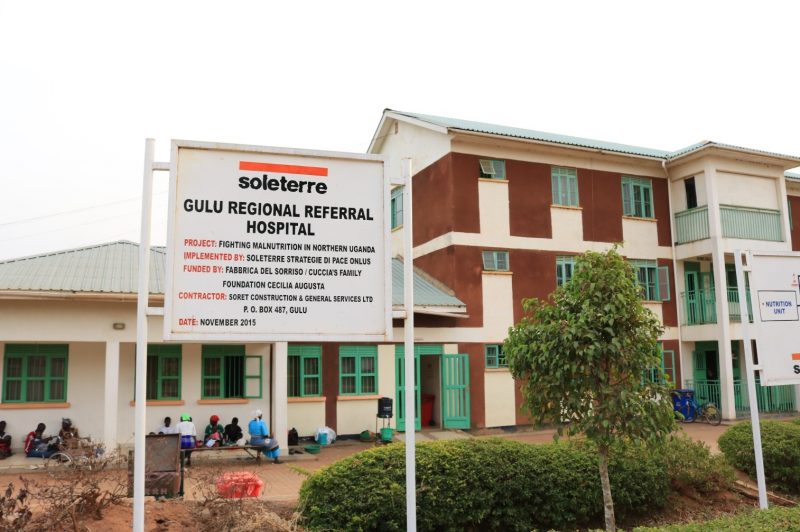
Dr. Francis Pebolo, an obstetrician and gynecologist at Gulu Regional Referral Hospital, called for deeper community engagement to address the crisis.
“By engaging and training local people to counsel girls and women, we can reduce the abortion rate significantly and prevent avoidable deaths,” Dr. Pebolo said.
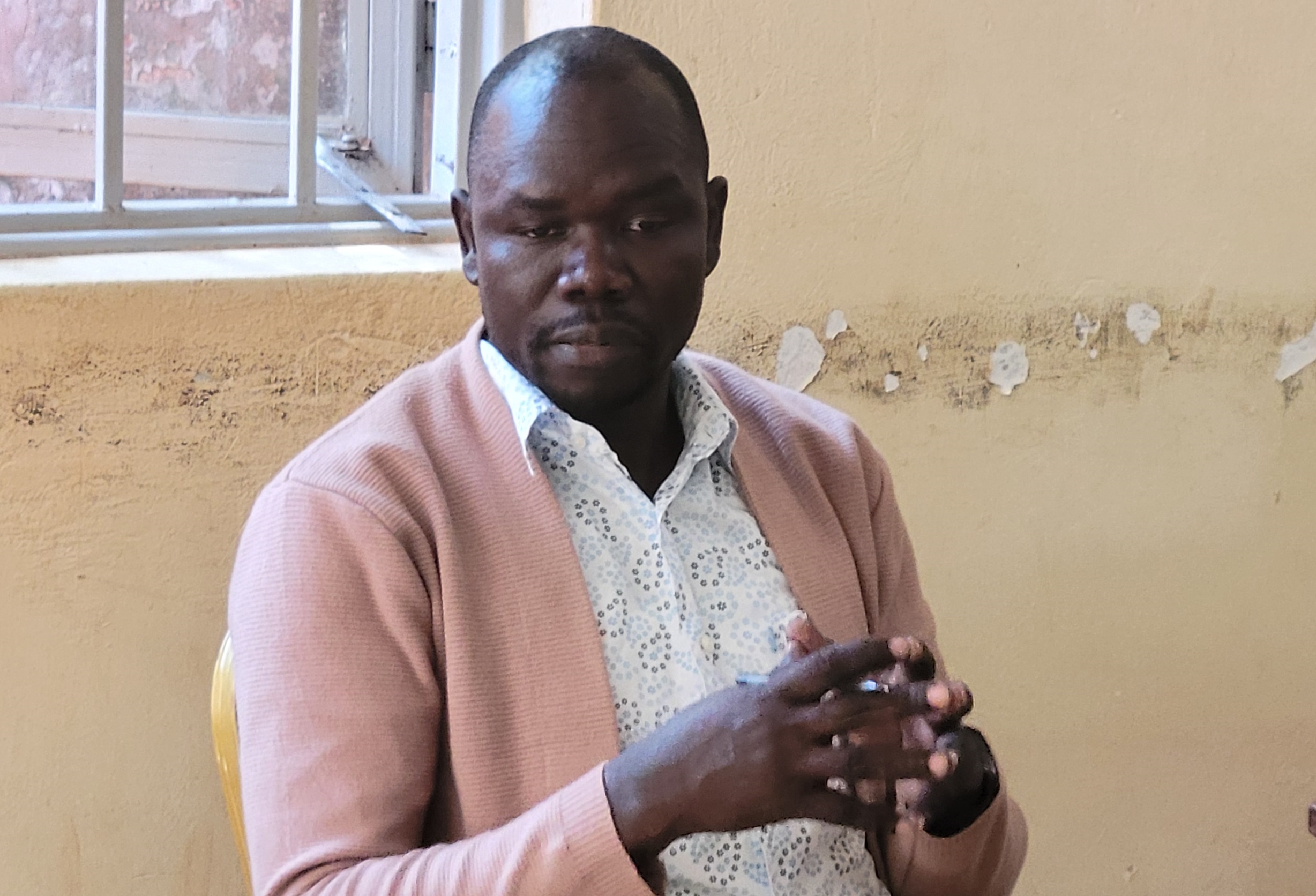
He added that stigma remains a major barrier, with many women facing harsh judgement from both health workers and the community.
“They are often labelled sinners and killers. We need to train health workers to handle abortion-related cases professionally and without bias,” he noted.
Human rights lawyer Cinderella Alimocan stressed the urgent need to strengthen post-abortion care systems, saying many women suffer severe complications due to delayed or inadequate treatment.

“By designating trained health workers to specifically manage post-abortion cases, we can significantly reduce deaths and long-term health complications,” she said.
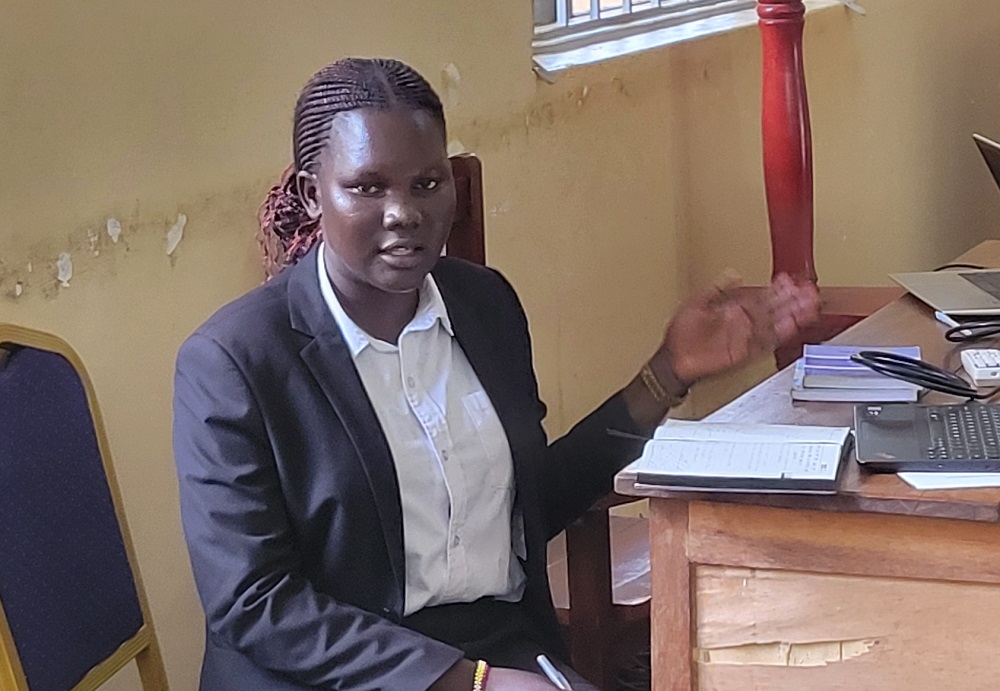
Alimocan also called for reforms in Uganda’s abortion laws and policies to guarantee access to post-abortion care without fear of prosecution.
Meanwhile, Gulu City Woman MP Betty Aol Ocan advocated for stricter community enforcement measures, suggesting the introduction of bye-laws to deter abortion practices.
“Whoever commits abortion should be arrested to curb the rate,” she said, while also urging government to equip public health facilities with essential medicines to manage complications.
She noted that the high cost of private healthcare continues to lock out vulnerable women, worsening preventable deaths.
According to the Maternal and Perinatal Death Surveillance and Response (MPDSR) Report for FY2024/2025, abortion-related complications account for 4% of maternal deaths in Uganda, equivalent to 189 deaths per 100,000 live births.
If you would like your article/opinion to be published on Uganda’s most authoritative news platform, send your submission on: [email protected]. You can also follow DailyExpress on WhatsApp and on Twitter (X) for realtime updates.