Buyende, Uganda: Buyende District is facing growing uncertainty over its development trajectory following the exit of several core Non-Governmental Organizations (NGOs), with local leaders warning of a looming service delivery gap.
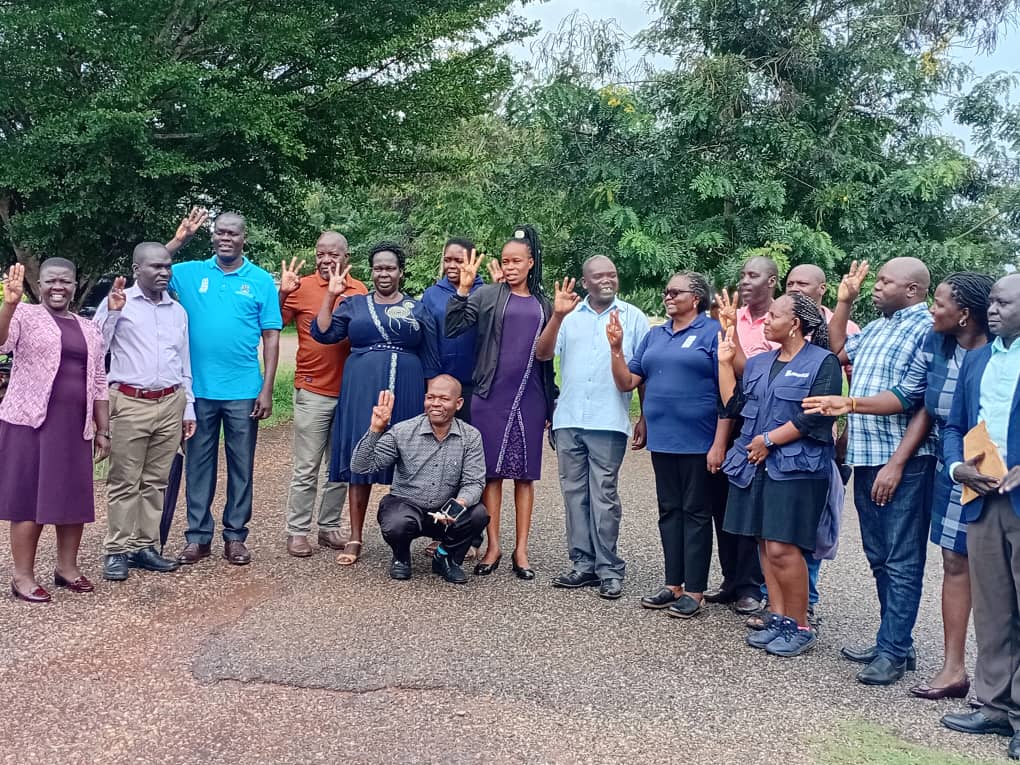
The concern was raised during a handover ceremony as WaterAid Uganda and its implementing partners officially transferred key health and sanitation facilities to the district under the SHARE project.
The completed projects include a modern bathroom, toilet, and incinerator at Kakooge Health Centre III, as well as a tiled bathroom and improved water source at Buyende Health Centre IV.
District leaders acknowledged the impact of the interventions but expressed concern over sustainability following the NGOs’ departure.
The outgoing LCV Chairperson, Mr Michael Kanaku, cautioned that the withdrawal of NGOs could deepen poverty levels in the district if urgent action is not taken.

“Buyende is already struggling with poverty, and this could make things worse,” Kanaku said, urging the incoming district leadership to actively engage development partners and write proposals to attract new support.
Deputy RDC Ms. Nakawala Naume echoed the concerns, calling for immediate intervention to cushion the district from the potential impact.
The Assistant District Health Officer (ADHO), Mr Musasizi Charles, highlighted the transformation brought by the project, particularly in improving sanitation at health facilities. “We were sharing latrines with patients, but thanks to WaterAid, this is now history,” he said.
Musasizi added that health workers have been trained in hygiene and sanitation practices and pledged that the district is ready to sustain the gains. “Although the project is phasing out, we are committed to maintaining the standards and continuing to serve especially women and girls,” he noted.
WaterAid Uganda District Coordinator, Ms Nabwire Immaculate, urged district authorities not to let the gains fade. “We have been here for five years; however, our phase-out does not mean the services have ended,” she said.
“We urge the authorities to ensure sustainability so that the community continues to benefit.”
The Sexual Health and Reproductive Education (SHARE) project (2021–2026) is a 5-year initiative funded by Canada to improve sexual health education, gender equality, and reproductive care for youth aged 10–24 in Ghana, Mozambique, and Uganda.
Led by Right To Play in partnership with FAWE, FHI 360, and WaterAid, it has reached over 425,000 youth, increasing contraceptive knowledge and reducing barriers to care.