By Ben Ssebuguzi
Uganda is the Pearl of Africa, as described by Churchill, a country with the best climate and fertile soil. This important description testifies that our leaders have the responsibility to help our country turn this important God-given resource to productive use to benefit citizens.
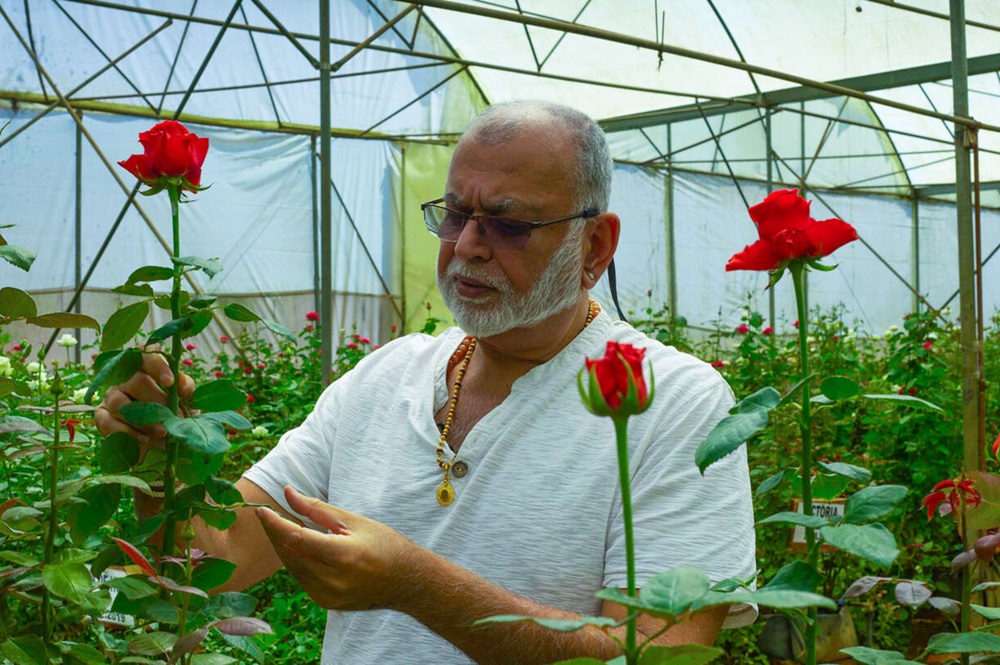
Rosebud Flower Company, owned by business leader Sudhir Ruparelia, is the largest exporter of cut roses from Uganda, with estimated earnings of $65m in 2024, 70% of which end up in Holland, making him an indispensable strategic asset for Uganda.
Although the sector is grappling with hurdles, which include fluctuating prices, a lack of investment, and low-quality inputs such as seeds and pesticides, it continues to employ about 6,000 workers, which supports many livelihoods in the country.
To my observation, the sector’s growth is limited by failure of the regulatory bodies to defend investors when they get backlash from the public due to environmental concerns of establishing into wetlands, yet they meet regulatory requirements. This is more likely to destroy investors’ morale if there is no sensitization and coordination with relevant authorities about the significance of the sector to our 10-fold growth ambitions of $500b by 2040.
PACEID, an organization charged with promoting exports, is targeting the fruit and vegetable sector to earn for our economy $195m by 2027, considering it as a sector with the fastest growth ambitions, given that the United Kingdom, one of the leading buyers of roses, took a decision to suspend global tariffs on the flower commodity to Uganda, which portrays low-hanging fruits.

On the continent, Kenya is the top exporter, followed by Ethiopia, supplying over 40% of the European rose market. Kenya has exhibited more efficiency by earning approximately $850m, while Uganda earns a meagre $65m in 2024, showing that we need to scale up production in order to meet our total exports target of $12b by 2027.
The Government of Uganda is giving significant support to the sector development: VAT exemption in 2016 was introduced, and importation tax on greenhouses was removed in order to spur the sector.

According to available data, there are approximately 15–20 commercial flower export companies, with many opportunities for jobs in greenhouse farming, flower processing and packaging, and logistics.
In summary, the sector needs double efforts and attention from stakeholders by taking it upon themselves to sensitize the public about the WISE USE principle, where the government accepts to undertake certain projects for the benefit of all citizens.
Long live General Yoweri Kaguta Museveni, long live Hajjat Uzeiye Namyalo.
The writer is the Head of Research, Office of the National Chairman.
If you would like your article/opinion to be published on Uganda’s most authoritative news platform, send your submission on: [email protected]. You can also follow DailyExpress on WhatsApp and on Twitter (X) for realtime updates.