
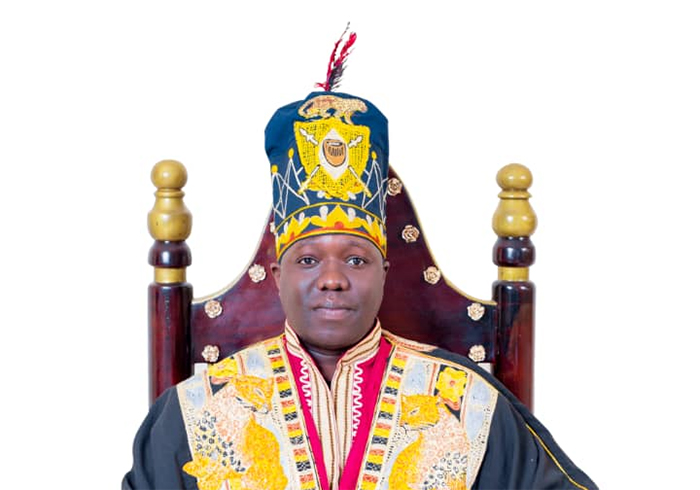
Zombo, Uganda: The Alur Kingdom has directed its chiefs and clan elders to take the lead in resolving customary land conflicts through Alternative Dispute Resolution (ADR), as land wrangles surge across the region.
The directive was issued by the Kingdom Prime Minister, Prince Lawrence Opar Angala, on behalf of His Majesty Ubimu Philliph Rauni Ularker III, during the burial of former Jago of Kaal Okayu, Stanley Uyerggiw Ukal, in Zombo Town Council.
Prince Opar said the Kingdom is moving to strengthen traditional justice systems by formally integrating ADR mechanisms, which emphasise mediation, reconciliation, and consensus-building.
“The Kingdom will soon engage legal practitioners approved by the judiciary to help in the implementation of ADR by training its personnel for promoting and supporting the practice of ADR mechanism,” he said, adding that “this is linked naturally to our traditional means of resolving disputes amongst the Alur people aligning with the laws of Uganda.”
He urged communities to prioritise clan-based mediation before resorting to courts, warning that litigation is often costly, time-consuming, and divisive.
The push comes at a time when land conflicts are sharply rising. According to the 2025 Uganda Police Annual Crime Report released on March 30, 2026, land-related crimes increased by 67 percent compared to 2024, with Northern Uganda accounting for 33 percent of the cases. Most disputes stem from boundary disagreements, family wrangles, and land grabbing.
In Zombo District, such conflicts remain widespread in areas including Nyapea, Jangokoro, Paidha, and Atyak, largely driven by disputes among families and clan members under the customary land tenure system.
Similar trends have been observed in neighbouring Nebbi District, where legal practitioners report handling large volumes of land-related cases annually.

Advocate Kelvine Adubango previously noted that “some of these cases have been referred for mediation, others have gone to court,” highlighting the growing burden on formal justice systems.
Customary land ownership, which accounts for about 68.6 percent of Uganda’s land, is governed by traditional systems based on ancestry and communal recognition rather than formal titles, making it particularly prone to disputes.
Prince Opar emphasised that ADR offers a culturally relevant and practical solution. He said the approach aligns with both Uganda’s Constitution and evolving judicial policy, which encourages reconciliation and mediation as key pathways to justice.

The Chief Justice, Dr Flavian Zeija, recently directed judicial officers to adopt a “mediation first” approach to reduce case backlog and promote faster, less adversarial dispute resolution.
The Kingdom’s initiative also complements government interventions such as the Certificate of Customary Ownership (CCO), introduced in 2015 to formalise land rights for customary owners. However, stakeholders say uptake remains low due to procedural challenges, leaving room for disputes to persist.
A civil society representative in Zombo welcomed the Kingdom’s move but called for integrity among those entrusted with mediation. He warned that lack of transparency among local leaders could undermine the process.
Prince Opar expressed confidence that embracing ADR will not only reduce conflicts but also preserve social harmony. “This will promote cost savings, efficiency, flexibility, and peaceful coexistence among our people,” he said.
The Alur Kingdom has consistently called for peaceful resolution of land disputes, with the King previously warning against “land conflicts that lead to pouring of blood” and urging communities to use land productively for socio-economic transformation.
If you would like your article/opinion to be published on Uganda’s most authoritative news platform, send your submission on: [email protected]. You can also follow DailyExpress on WhatsApp and on Twitter (X) for realtime updates.