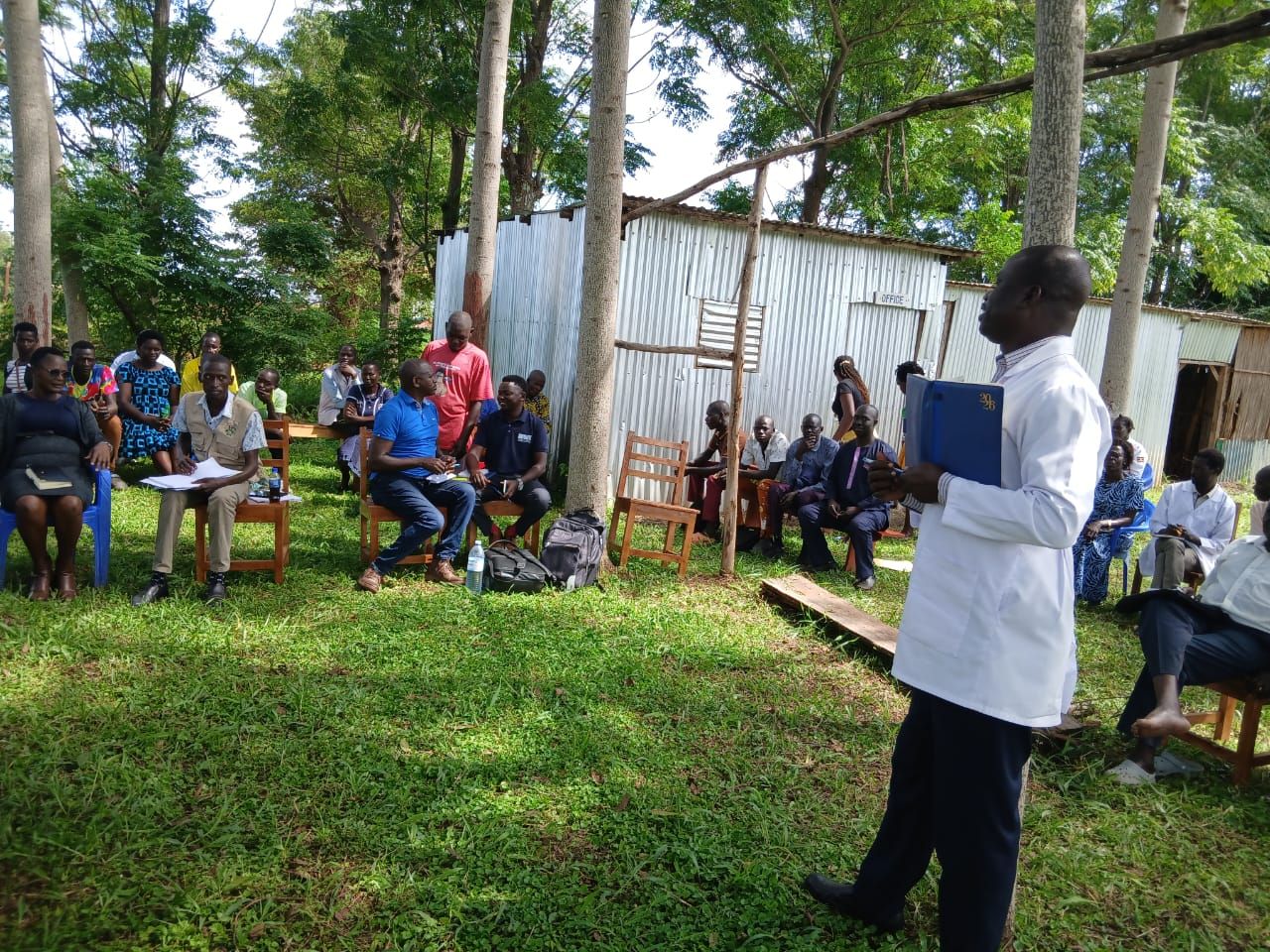
Oyam, Uganda: Allegations of extortion by health workers dominated a heated community Baraza at Anyeke Health Centre IV, exposing a mixed picture of improved service delivery alongside persistent complaints of informal charges for supposedly free services.
The Thursday dialogue, which brought together residents, local leaders, and health officials, revealed that while many patients acknowledge progress at the facility, others continue to face barriers that undermine access to care.
About 70 per cent of participants praised improvements, citing better drug availability, improved sanitation, and faster service in some departments.
“We have seen change, yes, but not everywhere,” said Ms Sarah Acan. “In maternity, the nurses are now more caring and they attend to mothers faster. That gives us hope.”
Mr Paul Opio, a youth leader from Acamolaki village in Agulurude Parish, also welcomed the progress. “The cleanliness of the facility has really improved. When you walk in now, you feel like you are in a proper health centre,” he said.
However, the meeting quickly turned tense as several residents raised concerns about alleged extortion, particularly in critical service areas.
“It is painful that you are told services are free, but when you reach the theatre, someone asks for money,” said Ms Aber Lillian. “What happens if you don’t have it? Does it mean you don’t get help?”
Mr Okello James echoed the frustration. “We thank the government for the drugs, because at least now they are there. But asking for money for surgery is very unfair and must stop,” he said.

Concerns were also raised about staff conduct, with some patients reporting inconsistent attitudes.
“Some health workers are very kind and professional, but others still shout at patients,” said Ms Akello Rose. “When you are already sick, you need compassion, not harshness.”

Ms Apio Grace added: “The young health workers must learn to respect people, especially the elderly. We feel ignored sometimes.”
Despite the criticism, several participants acknowledged improvements in efficiency and service delivery. “The waiting time has reduced compared to last year,” said Mr Oryem David. “Before, you could spend the whole day here. Now at least you are attended to faster.”
Mr Kato Francis praised the laboratory services, noting: “The lab services are now quicker and more reliable. You get your results on time, which helps in treatment.”

Still, concerns over transparency remained a recurring theme.
“We hear services are free, but sometimes you are quietly asked to ‘facilitate’ things,” said Ms Among Betty. “That creates confusion because you don’t know what is official and what is not.”
Summing up the community’s mood, Mr Omodo Charles said: “We appreciate the improvements, but corruption must be rooted out completely. Even a small act of extortion destroys trust.”
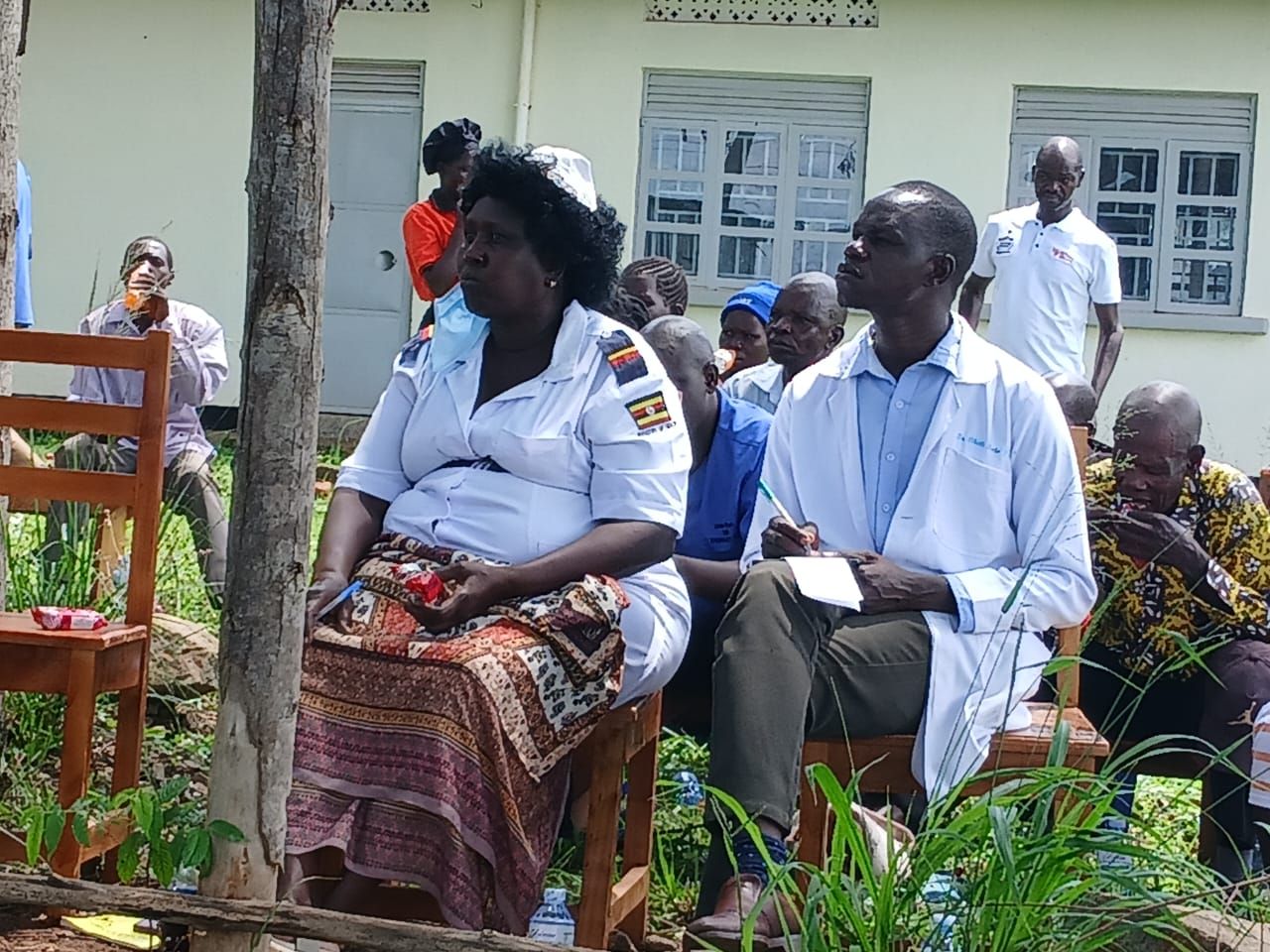
Responding to the allegations, the facility in charge, Dr Patrick Omara Olwol, issued a firm warning to staff. “Let me be very clear, any health worker found extorting money from patients will face the full force of the law,” he said.
“Services here are either free or officially guided. There is no room for illegal payments.”
He added that the facility remains committed to improving service delivery and urged the public to report misconduct. “We are committed to improving service delivery, but we also need the community to report any wrongdoing so that action can be taken,” Dr Omara said.
Local leaders called for stronger accountability measures, including improved reporting channels and regular community dialogues to track progress.
If you would like your article/opinion to be published on Uganda’s most authoritative news platform, send your submission on: [email protected]. You can also follow DailyExpress on WhatsApp and on Twitter (X) for realtime updates.