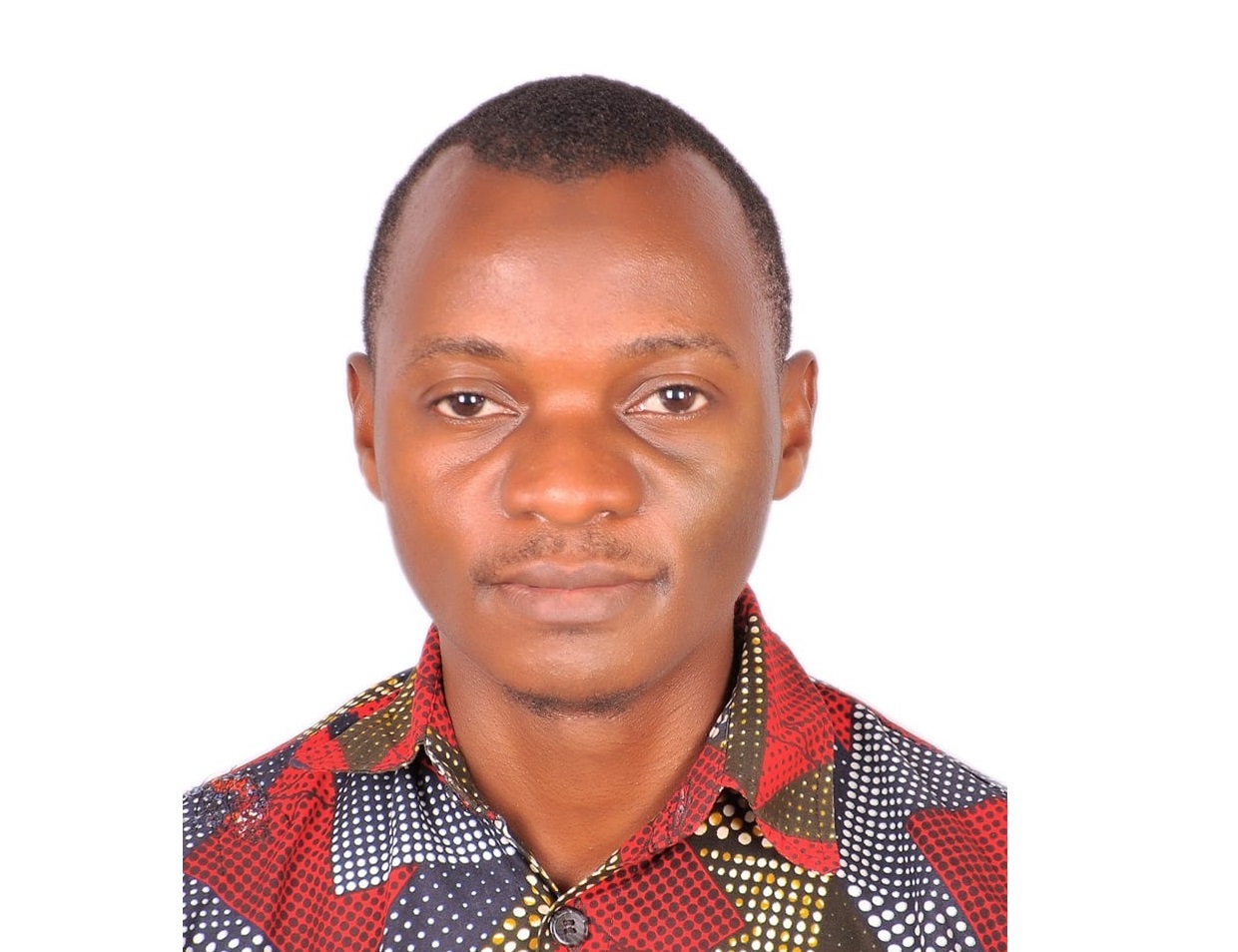
By Harunah Damba
Kamapala, Uganda: According to recent weather forecasts from the Ministry of Water and Environment, most parts of Uganda will receive near-normal to above-normal rainfall in 2026. The rains are expected to peak around April and May before tapering off by mid-June. For rural communities, this pattern brings hope, as many see it as an opportunity to plant. However, as weather patterns continue to shift, climate-sensitive diseases are quietly rising alongside them.
Malaria remains one of the leading climate-sensitive diseases in Uganda. According to the World Health Organization, the country recorded over 16 million malaria cases and 2,793 deaths in 2023 alone, with children under five most severely impacted. Recent data also show that malaria prevalence in the country has increased from 10% in 2018–2019 to 13% in 2024–2025, despite ongoing prevention efforts.
The government and partners have worked to scale malaria control interventions, including nationwide distribution of insecticide-treated mosquito nets, indoor residual spraying in high-burden districts, and the introduction of the R21/Matrix-M malaria vaccine into routine immunization in 2024. Investments in surveillance systems, such as the District Health Information System (DHIS2), to track disease trends across the country are both ambitious and much-needed tools to guide timely public health responses. However, a lack of coordination between the National Meteorological Authority, under the Ministry of Water and Environment, and the Ministry of Health has resulted in limited use of climate data to guide public health actions, particularly at the community level. This leaves many local actors unprepared for climate-driven malaria outbreaks.

Climate data is mainly used for forecasting weather events, with very little application in health. For example, seasonal rainfall forecasts are not consistently used to trigger pre-emptive malaria prevention measures, such as targeted spraying, community sensitization, or the prioritization of resources to high-risk areas.
Many countries have tried to harness climate data for public health. For example, Ethiopia has developed climate-informed disease surveillance that helps forecast potential outbreaks by linking weather patterns with the incidence of diseases like cholera. This allows authorities to identify high-risk “hotspot” districts and guide early responses. In Mexico, the Early Warning and Response System (EWARS) has been used to predict dengue outbreaks. Similar EWARS-based efforts are underway in Senegal, Burkina Faso, Colombia, and Thailand, where integrated forecasts are being tested for diseases such as malaria and dengue.

Uganda has the potential to become a model for climate-resilient health systems through the Health National Adaptation Plan (H-NAP) 2025–2030. We can learn from the experiences of other countries, such as Ethiopia, Mexico, and Senegal, to start leveraging climate data to strengthen the ability of Uganda’s healthcare system to anticipate, prepare for, and respond to climate-sensitive disease outbreaks before they escalate into national health crises.
The writer is a biomedical laboratory technologist, disability advocate, and Chairperson of United Persons with Disabilities. Email: [email protected]
If you would like your article/opinion to be published on Uganda’s most authoritative news platform, send your submission on: [email protected]. You can also follow DailyExpress on WhatsApp and on Twitter (X) for realtime updates.