
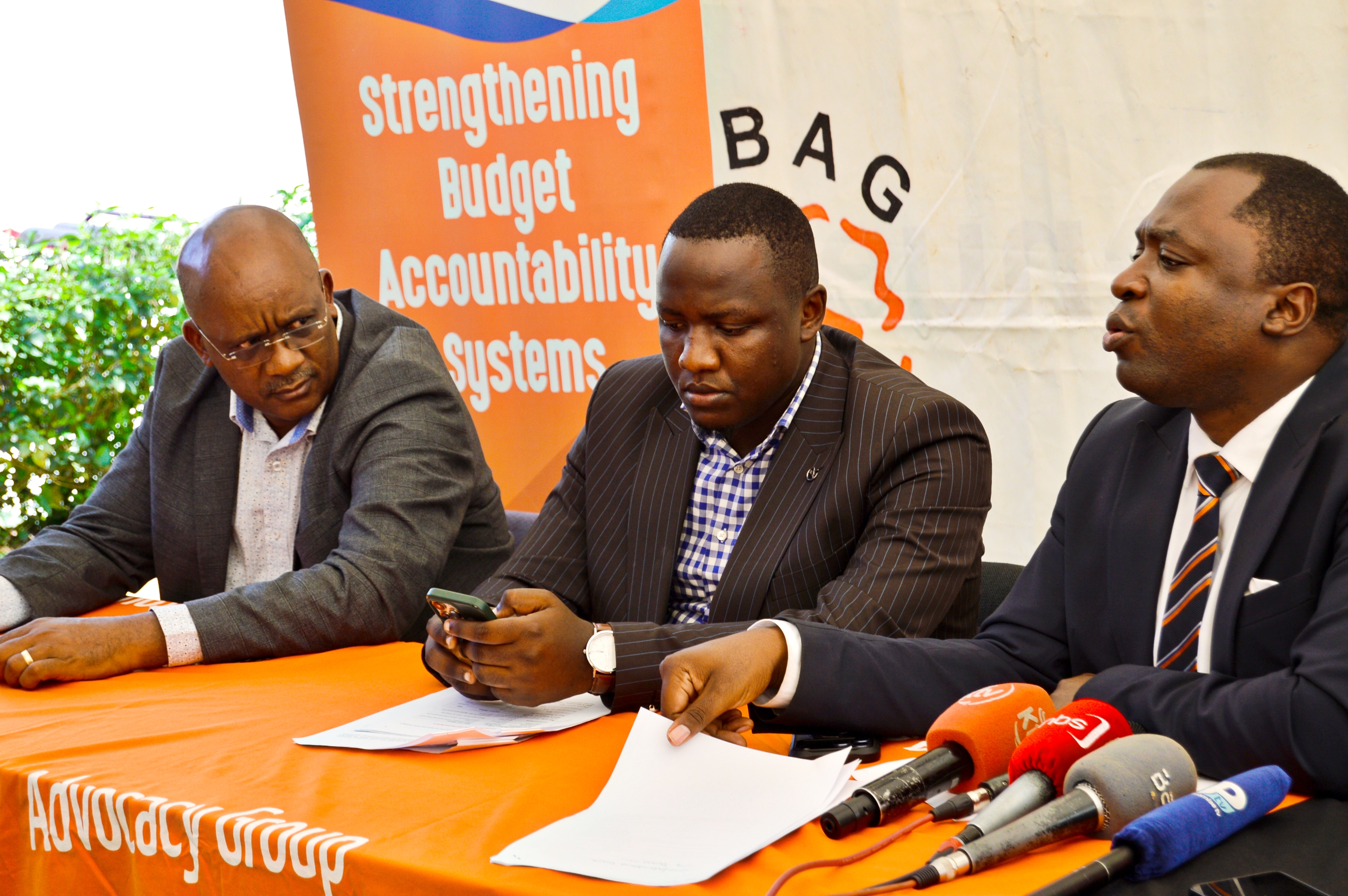
Kampala, Uganda: The Civil Society Budget Advocacy Group (CSBAG) has raised alarm over the proposed FY 2026/27 Tax Amendment Bills, warning that the measures, if implemented, will significantly increase the cost of living, widen inequality, and undermine long-term revenue sustainability if passed in their current form.
While addressing the media on Thursday at CSBAG offices in Ntinda, the civil society watchdog said the government’s plan to raise approximately UGX 2.3 trillion through new tax measures leans heavily on consumption and transaction taxes that disproportionately burden low-income households.
“What we are concerned about is that several of these measures will increase the cost of living, deepen inequality, and undermine long-term revenue sustainability,” said CSBAG Executive Director Julius Mukunda.
Among the most contentious proposals is the increase in excise duty on essential commodities, including fuel, sugar, and cooking oil. Fuel excise duty is set to rise by UGX 200 per litre, while sugar tax will triple from UGX 100 to UGX 300 per kilogram, and cooking oil will double from UGX 200 to UGX 400 per litre.
Mukunda warned that fuel, being a cross-cutting input in transport, agriculture, and manufacturing, will trigger a ripple effect across the economy, driving up transport fares, food prices, and production costs.
“These measures will directly erode household purchasing power, especially among low-income earners who already spend a larger share of their income on basic necessities,” he stated.
Federation of Small and Medium Enterprises (FSME) Executive Director John Walugembe amplified concerns around digital taxation and its impact on financial inclusion.
“Smartphones in Uganda carry a 28% tax burden, including 10% import duty and 18% VAT. Yet smartphone penetration is only 33%, which is lower than the 50% regional average,” Walugembe said.
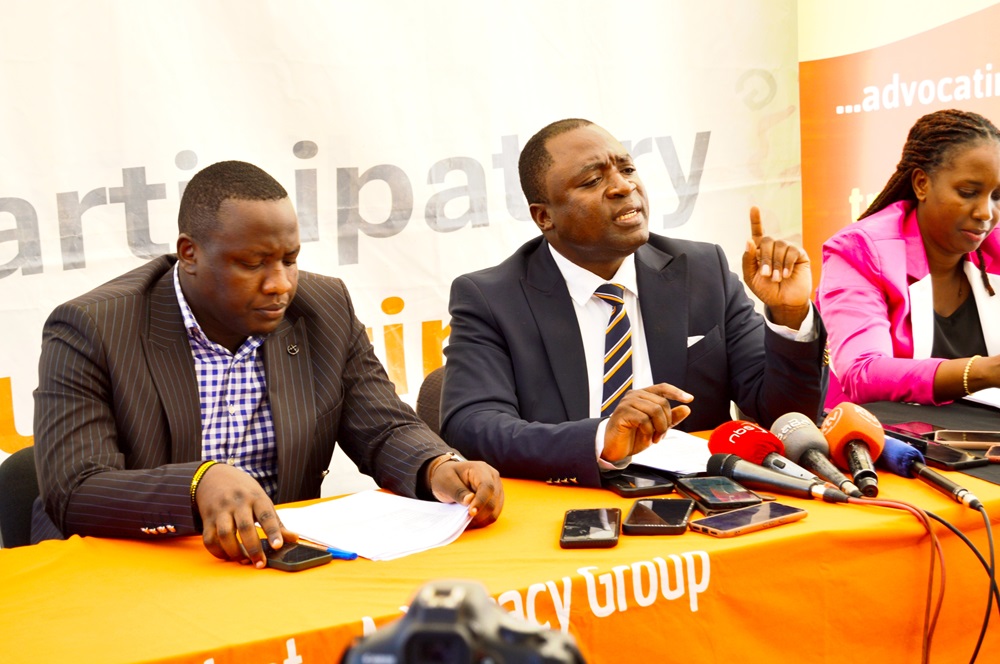
His remarks highlighted the structural barriers to digital adoption, with stakeholders warning that high taxes on devices and transactions risk slowing Uganda’s transition to a digital economy.
Mobile money operators also shared firsthand experiences, pointing to a shift in consumer behaviour driven by rising transaction costs.
“As mobile money agents, it is discouraging when we see taxes being introduced. These days, you find most people are comfortable with cash rather than using mobile money, which is affecting our work negatively,” said Tumwebaze Janepher, a mobile money operator.
She added that shrinking commissions are making the business increasingly unsustainable. “As mobile money practitioners, we are losing a lot of money. When clients perform these transactions, sometimes we get as little as UGX 3,000 for commission, which is unfair, really,” she said.
Tax Burden Shifts to the Poor
CSBAG criticised the heavy reliance on indirect taxes, describing them as inherently regressive and disproportionately affecting low-income households.
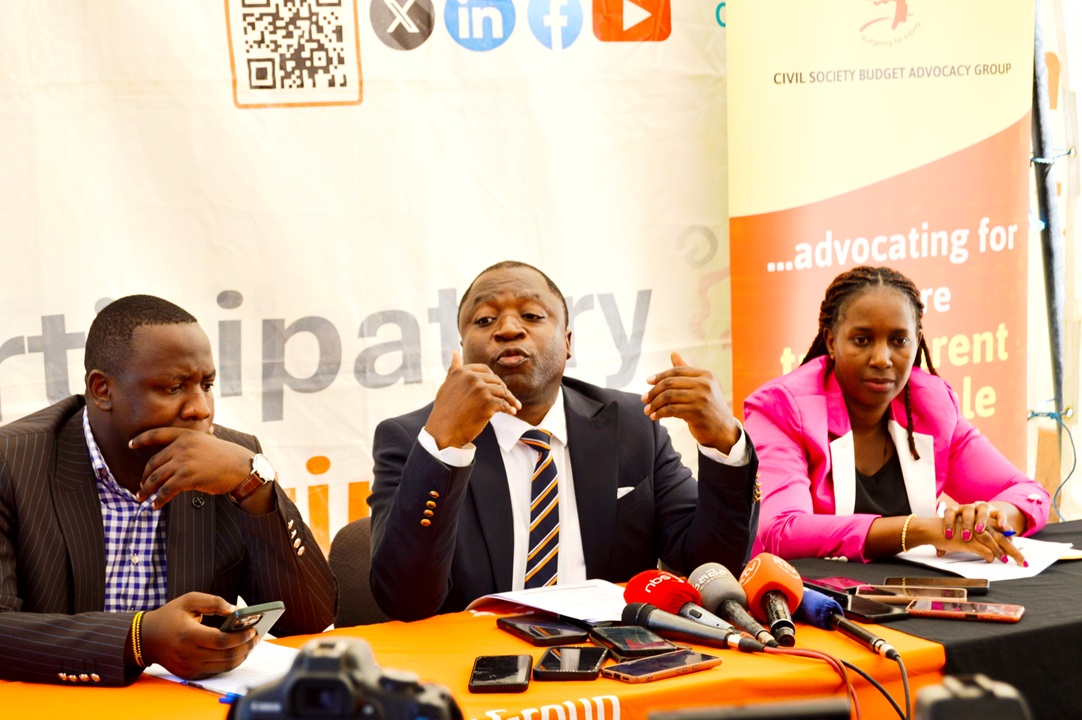

Mukunda pointed to what he described as a contradiction in policy direction, raising taxes on essential goods while extending tax exemptions for large investors. He cited the proposed extension of the Bujagali Hydropower Project tax holiday to 2032, which is expected to cost government about UGX 115 billion annually in foregone revenue.
“This creates a clear imbalance in the tax system, where ordinary citizens shoulder a greater burden while high-value investments continue to benefit from exemptions,” he noted.
The CSO also warned that higher transaction taxes, including the increase in stamp duty on land transfers from 1.5% to 3%, could discourage formalisation in an economy where nearly 80% of activity is informal.
Mukunda cautioned that rising transaction costs may lead to under-declaration of property values, informal transfers, and reduced compliance, ultimately undermining the very revenue targets the measures seek to achieve.

Proposal for Fairer Taxation
On government’s push for digital tax enforcement, CSBAG reiterated that taxes on digital transactions risk reversing gains in financial inclusion. Mukunda proposed a harmonised and reduced excise duty structure across all withdrawal channels.
“As concerned parties, we are proposing that there is a reduced excise duty on all cash withdrawals—mobile money, ATM, bank, and agents, to 0.25% and apply it fairly across channels,” he said.
He argued that reducing transaction costs would encourage uptake, expand the tax base, and generate sustainable revenue growth over time.

Mukunda also warned that broader legislative changes tied to the tax framework could deter foreign investment and destabilise key economic inflows. He cited provisions carrying heavy penalties, fines of up to UGX 4 billion and jail terms of up to 20 years, as potentially harmful to Uganda’s investment climate.
“External financing and grants are around UGX 8 trillion to UGX 10 trillion annually. Donor-funded projects account for 20 to 25% of the budget, while NGOs bring in between UGX 1.5 trillion and UGX 2.5 trillion annually,” Mukunda explained.
“When this bill comes in its current form, we are seeing restrictions reducing inflows by 20 to 30%. Some investors will say, ‘let us wait and see.’ This disruption is likely to make us lose these foreign direct inflows.”
He added that Uganda’s currency stability is partly supported by these inflows.“Our shilling has been strong because of these foreign direct inflows, not because we export so much,” he said.
Despite a 46% growth in nominal revenue over the past four years, Uganda’s tax-to-GDP ratio remains stagnant at 13–14%, below the 15% benchmark for developing economies and the Sub-Saharan Africa average of 18.6%.
CSBAG maintains that Uganda must shift from increasing tax rates to expanding the tax base in order to build a more inclusive, equitable, and sustainable revenue system.
If you would like your article/opinion to be published on Uganda’s most authoritative news platform, send your submission on: [email protected]. You can also follow DailyExpress on WhatsApp and on Twitter (X) for realtime updates.