
Kampala, Uganda: The Buganda Land Board (BLB) has warned that the proposed increase in stamp duty on land transactions from 1.5% to 3% could reverse recent gains in land formalisation, fuel disputes, and make housing more expensive for ordinary Ugandans.
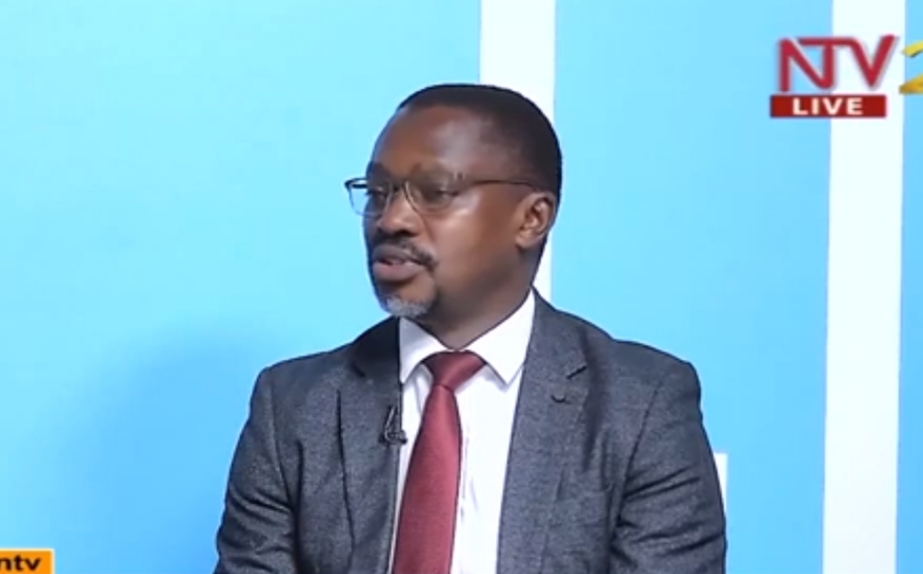
Speaking during a recent appearance at NTV Uganda, BLB Deputy Chief Executive Officer Omuk Bashir Kizito Juma said the proposed tax adjustment in the FY 2026/27 Budget Framework Paper risks undermining government’s own efforts to promote land registration and improve access to credit.
“The current bill intends to increase stamp duty from 1.5% to 3%. That is where the real problem is. It threatens to derail the gains made from the 2025 amendments,” Kizito said.
Effective July 1, 2025, government introduced reforms under the Stamp Duty Act, including scrapping stamp duty on agreements and mortgage-related transactions to ease access to credit and improve ease of doing business.
The reforms were widely welcomed, particularly by financial institutions and property developers, as they lowered the cost of borrowing and encouraged formal transactions.
However, under the new tax proposals tabled before Parliament for the FY 2026/27, government is seeking to double stamp duty on land transfers, leases, and related instruments to 3%, as part of broader domestic revenue mobilisation efforts projected to raise over UGX 2 trillion.
But Omuk Kizito warned that increasing stamp duty at a time when only about 30% of land in Uganda is registered could push more Ugandans into informal land transactions.
“In a country where only about 30% of land is registered, what does it mean when you increase the cost of titling? You are discouraging people from formalising their land ownership,” he said.
He cautioned that higher transaction costs will likely lead to under-declaration, informal transfers, and reluctance to register land—ultimately weakening tenure security.
According to the BLB Chief, reduced land registration could trigger an increase in land-related conflicts, particularly over boundaries and ownership.
“When you reduce the incentive for registration, you are going to see more disputes. Registered land reduces conflicts because ownership is clear,” Kizito noted.
Uganda has long grappled with land disputes, especially in central region districts, where overlapping interests between landlords (mailo owners) and tenants (bibanja holders) remain a major source of tension.

Kizito also linked the proposed tax increase to Uganda’s housing deficit, currently estimated at over 2.4 million units. He explained that developers and investors rely on assembling land for housing projects, and any increase in acquisition costs is ultimately passed on to buyers and tenants.
“The moment you make land expensive to assemble, the cost is transferred to the final consumer. You are making the housing problem even worse,” he said.
Mortgage and Credit Access at Risk
The BLB official further warned that the stamp duty increment could undermine access to credit, especially for low- and middle-income earners who rely on land titles as collateral.

While the 2025 reforms removed stamp duty on mortgages, Kizito noted that such benefits depend on having registered land in the first place. “If people are discouraged from registering land, then the mortgage benefits become meaningless. You need titles to access credit,” he said.
He added that many Ugandans seeking small loans—between UGX 1 million and UGX 10 million—are increasingly formalising their land to qualify for financing, a trend now at risk.
Government’s Revenue Argument
The proponents of the tax hike argue that increasing stamp duty will boost domestic revenue, with projections indicating up to UGX 1.7 trillion could be raised.
Officials also say the measure could help curb speculative land transactions by brokers who buy and resell land for profit.
However, Kizito described the move as a “trade-off” between short-term revenue gains and long-term economic stability. “It is a conflict between raising revenue and achieving broader goals like land registration and investment growth,” he said.
He likened the proposed tax policy to sacrificing future gains for immediate returns. “It will be a case of government eating its eggs. You will not have more hens in the future,” Kizito warned, insisting that if passed, the policy could lead to increased informality in land transactions, rise in land grabbing cases, reduced mortgage uptake and lower investment in real estate and housing
Kizito urged the Parliament to reconsider the proposal and introduce targeted exemptions to balance revenue needs with economic growth.
He also suggested that first-time land buyers and individuals formalising existing holdings should be exempted from higher stamp duty rates and also to have a greater reliance on capital gains tax as a fairer alternative for raising revenue from profitable land transactions.
“We need a system that balances both sides—revenue generation and the need to secure land ownership for Ugandans,” he said.
Parliament Under Pressure
With the Tax Amendment Bills now before Parliament, BLB is calling on legislators to carefully scrutinise the broader implications of the proposed changes.
“We are imploring Members of Parliament to look beyond revenue targets and consider the social and economic impact on the people they represent,” Kizito said.
He warned that failure to strike the right balance could leave millions of Ugandans trapped in insecure land tenure arrangements and slow down national development.
If you would like your article/opinion to be published on Uganda’s most authoritative news platform, send your submission on: [email protected]. You can also follow DailyExpress on WhatsApp and on Twitter (X) for realtime updates.