
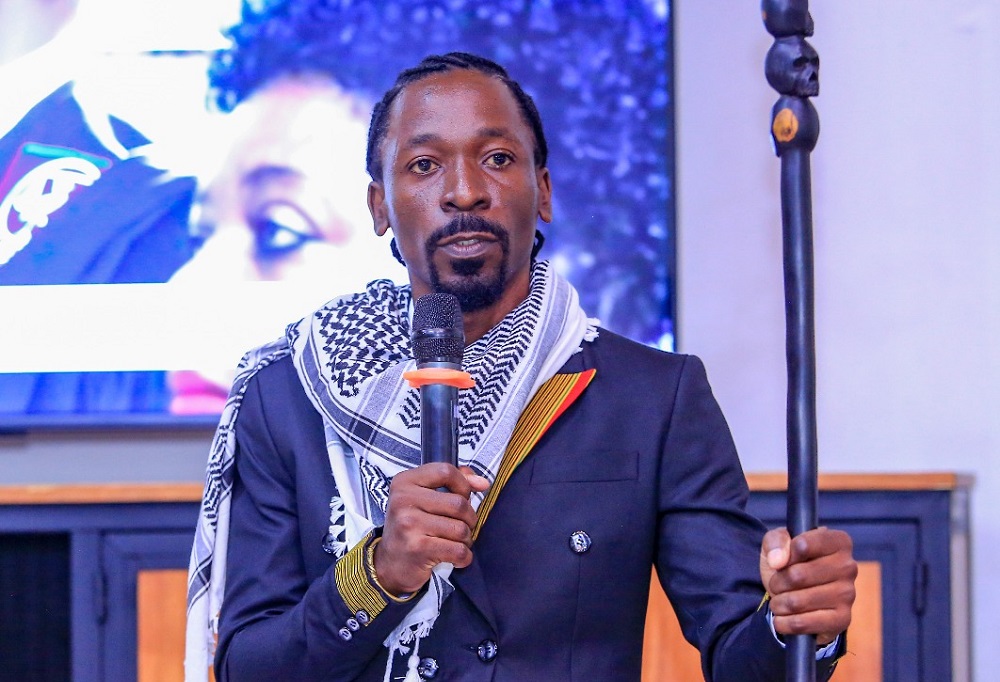
Kampala, Uganda: The Uganda Law Society (ULS) has openly criticised the planned mobile High Court session for the trial of Ggaba murder suspect Christopher Okello Onyum, warning that the move is not merely about a single case but a dangerous precedent that could redefine criminal justice in Uganda.
In a statement issued on April 12, 2026, ULS President Isaac Ssemakadde described the decision as a fundamental breach of constitutional guarantees, arguing that what is being presented as “speedy justice” is in fact executive interference in the justice system.
“What has been packaged as “speedy justice” and enhanced “access to justice” under the Constitution (Operation of Mobile Courts) (Practice) Directions, 2026, is in reality the most cynical form of executive interference in the affairs of the Judiciary witnessed in Uganda since Constitutional Petition No. 2 of 2002,” Mr Ssemakadde said.
Reports confirmed by Sunday evening indicated that the mobile court session, which kicks off Monday, April 13, will draw large crowds, with arrangements including public screens, loudspeakers, live broadcasts, and controlled seating for up to 1,000 people, including families of the victims and religious leaders.
Yet ULS argues that such a setting risks undermining Article 28 of the Constitution, which guarantees every accused person the right to a fair and impartial hearing before an independent court. “This is not public participation; it’s the weaponisation of public grief to predetermine guilt,” the statement reads.
The Society further warned that the accused’s constitutional protections have already been compromised by public commentary from senior officials.

“The presumption of innocence guaranteed by Article 28 (3)(a) of the Constitution… has been publicly executed before any evidence is tested,” ULS said, citing additional protections under the African Charter on Human and Peoples’ Rights and the International Covenant on Civil and Political Rights (ICCPR).
According to ULS, “When state actors speak as though conviction has already been reached, and courts proceed in the same atmosphere, the line between justice and mob sentiment disappears.”
Ssemakadde also warned that conducting proceedings at the crime scene, amid grieving families and intense public attention, turns a judicial process into a spectacle.

“This is not justice. It is a judicial lynching rally, stage-managed at the scene of the crime, with the direct command responsibility of the Executive and the active complicity of the Judiciary.”
‘Precedent in the Making’
The country’s legal body cautioned that the implications of the Ggaba trial extend far beyond one accused individual. “This is not merely a single trial. It is a precedent in the making,” the statement warned, adding that if constitutional safeguards are compromised under pressure, such practices risk becoming the norm.
“When the Executive chooses the dock, and the Judiciary builds it, the defendant is already in chains,” ULS added, calling upon the Chief Justice to halt the planned mobile court session and ensure the case is handled within the established High Court framework.
“The victims’ families deserve justice. The rule of law demands it be delivered fairly, impartially, and without theatrical flourish,” the statement said. “Anything less is not justice; it is vengeance dressed in judicial robes.”
If you would like your article/opinion to be published on Uganda’s most authoritative news platform, send your submission on: [email protected]. You can also follow DailyExpress on WhatsApp and on Twitter (X) for realtime updates.