
Kampala, Uganda: President Yoweri Kaguta Museveni has endorsed the use of traditional wooden food containers, directing government support to scale up production in what he described as a move to free Ugandans from “colonial madness” tied to fragile imported kitchenware.
In a directive issued March 27, 2026, the President confirmed that a scientific assessment by the government’s Chemical, Biological, Radiological and Nuclear (CBRN) unit had cleared wooden containers made from mahogany (omunyama) and albizia (omusisa) as safe for food use.
“I have written to Matongo Wood Works Company confirming that traditional wooden food containers made from omunyama and omusisa are safe and durable,” Museveni said, adding that he had instructed the State House Comptroller to fully fund the initiative.
The President framed the move as both economic and ideological, arguing that Uganda must consciously move away from dependence on imported alternatives. “We must liberate ourselves from the colonial habit of using ebyatika (the breakables) that are, moreover, dangerous to human life,” he stated.
The endorsement is grounded in findings from the March 2026 Wooden Crockery Report Summary, which subjected handcrafted wooden utensils to rigorous testing under real-life conditions, including exposure to hot and cold foods, acidic and alkaline liquids, and varying temperatures. The study established that the materials contain no toxic compounds or heavy metals and are safe for prolonged food contact.
Researchers observed a slight variation between the two wood types. Albizia was found to release a harmless natural tint into liquids, while mahogany showed no colour transfer, making it more suitable for serving beverages and soups. Both materials, however, demonstrated durability and resistance to heat and moisture.
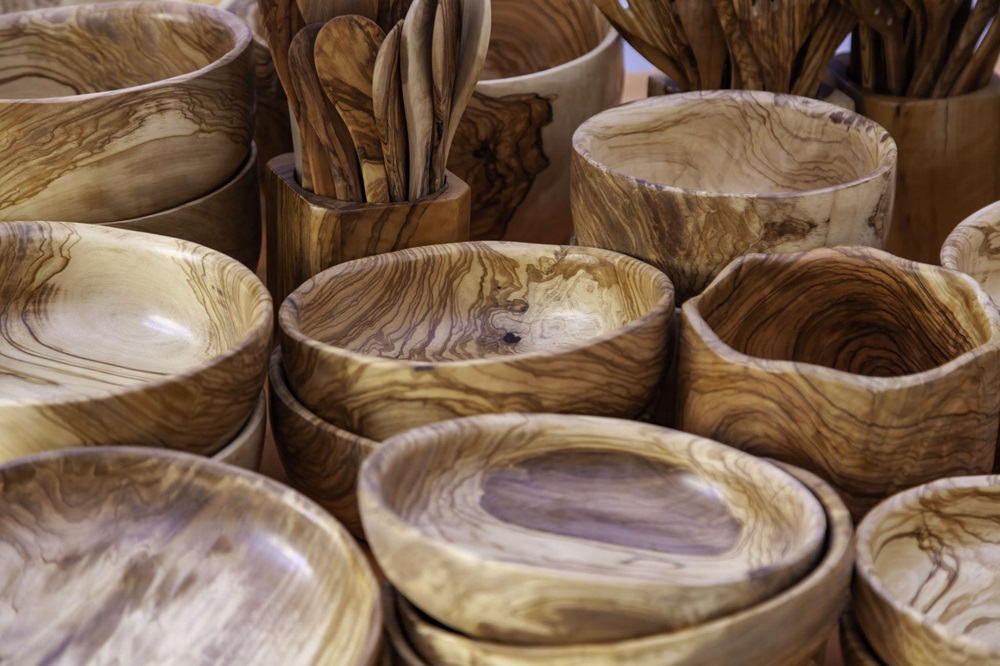
Museveni linked the initiative to a broader agenda of economic self-reliance and cultural revival, emphasising the value of indigenous knowledge systems. He noted that traditional utensils such as ebyaanzi (milk pots), entaatika (wooden bowls), and endosho (wooden spoons) had served Ugandan communities effectively for generations.

Drawing from personal experience, the President revealed that he still owns a wooden milk pot inherited from his grandfather, which has lasted more than eight decades. “These were not inferior products. They were durable, safe, and part of our identity,” he said.
While affirming the safety of wooden crockery, the report also underscores the importance of proper handling to maintain hygiene and longevity. It advises users to clean the containers promptly after use, avoid prolonged soaking, and dry them in well-ventilated shaded areas. Periodic conditioning with food-grade oils such as olive or linseed oil is recommended to preserve the wood.
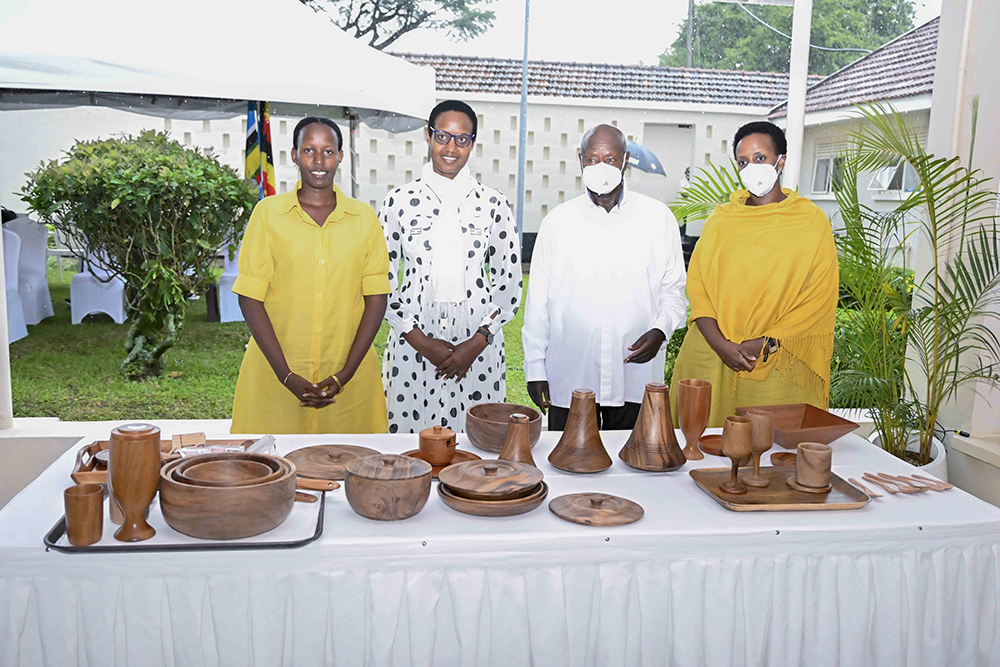
The development comes after the President last year hosted a delegation from Matongo Wood Works led by Ms Stella Teromu and her partner, Ms Elizabeth Karunga.

During the meeting at Mbale State Lodge, the ladies showed Museveni and his daughter, Mrs Natasha Karugire, an assortment of wooden crockery from their outlet.
A post on various social sites stated that President Museveni praised their creativity and commitment to reviving authentic wooden and clay utensils that once defined African homes. “I want to congratulate you, people. You have resurrected the African heritage of our people, which I have been trying to preserve since the 1940s,” he said.
“We used plates (Esiwani, clay bowls (Ebakuli), traditional pots (Enstimbo) and other traditional items. They were strong, durable and part of our identity,” he added while appreciating Matongo Wood Works for ‘modernising traditional craftsmanship without losing authenticity.’
Matongo Wood Works Company Limited’s website states that the firm in Naalya, Kampala city suburbs, produces wooden and clay household items inspired by ancestral African designs adapted for modern living.
The move places traditional craftsmanship at the centre of Uganda’s modern economic strategy, blending cultural heritage with scientific validation as the country seeks to redefine its production and consumption patterns.
If you would like your article/opinion to be published on Uganda’s most authoritative news platform, send your submission on: [email protected]. You can also follow DailyExpress on WhatsApp and on Twitter (X) for realtime updates.