
Kampala, Uganda: The Uganda Wildlife Authority (UWA) has reported rising populations of key wildlife species, including elephants and buffaloes, in its newly launched State of Wildlife Resources Report.
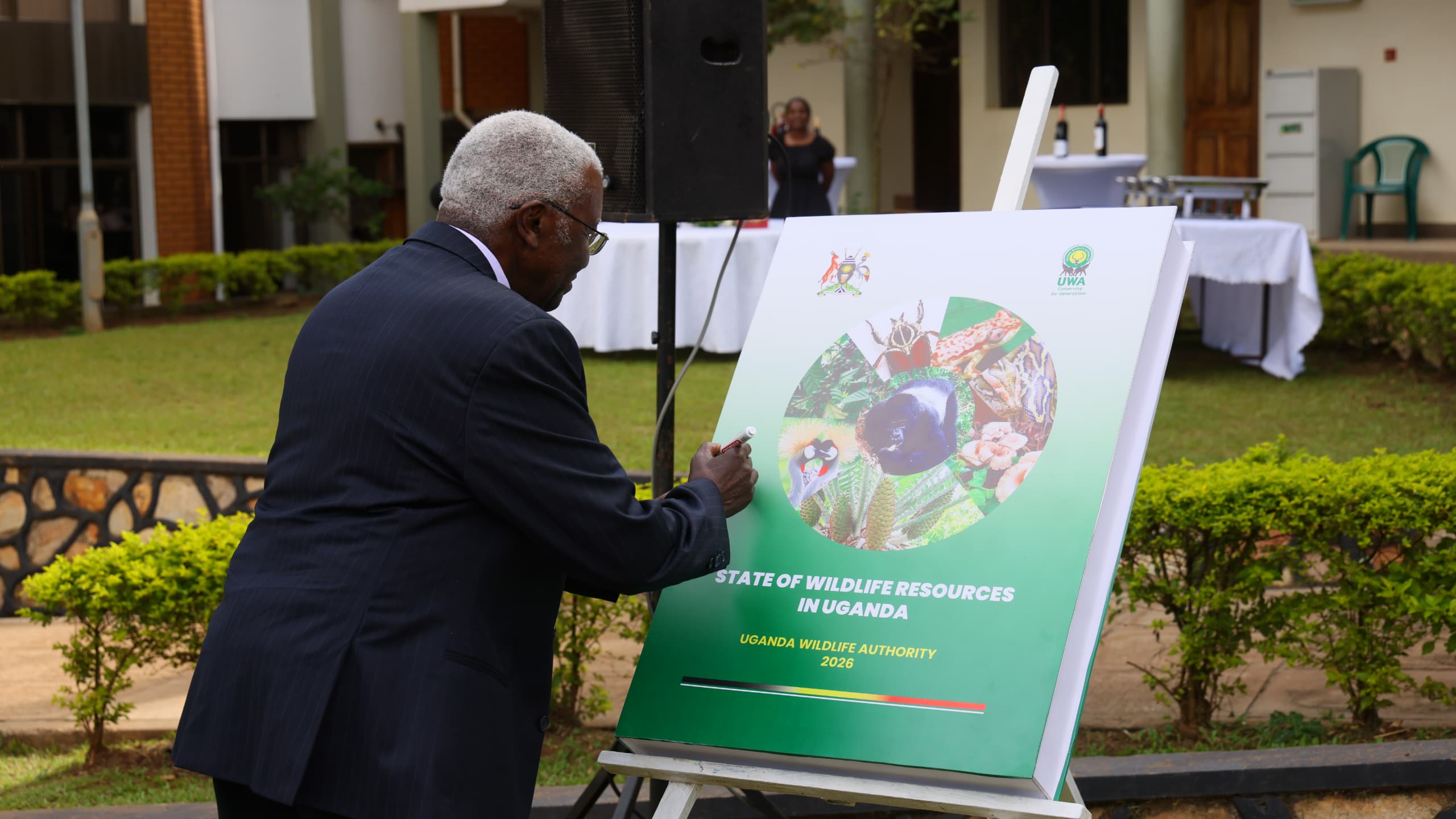
The report, unveiled Tuesday, April 28, at UWA offices in Kamwokya, Kampala, unveiled a comprehensive national assessment of Uganda’s biodiversity, highlighting conservation gains alongside persistent threats to wildlife.
The assessment was developed in collaboration with partners such as the Wildlife Conservation Society, National Environment Management Authority, and Jane Goodall Institute.
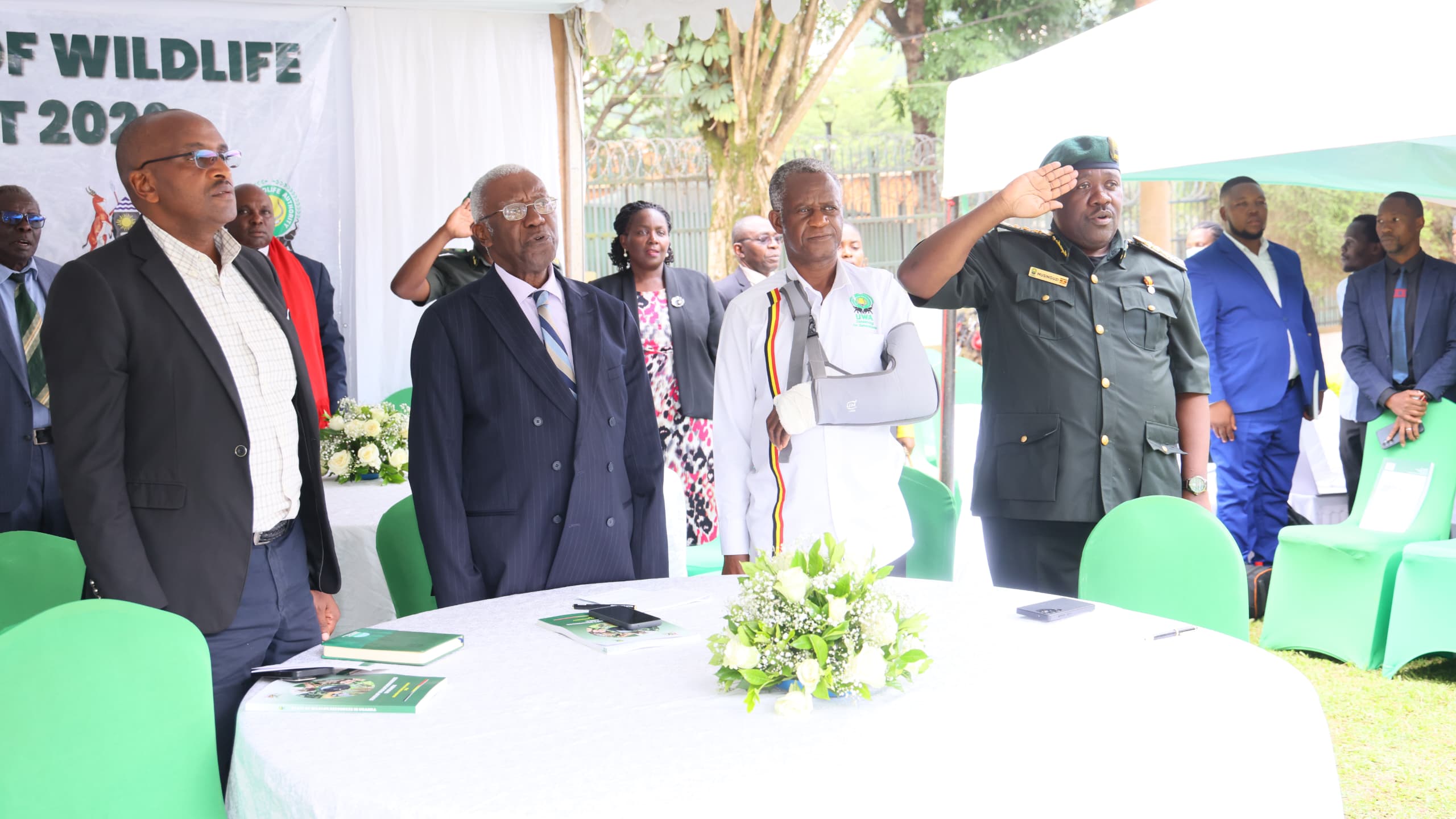
Tourism, Wildlife and Antiquities Minister, Hon Tom Butime, described the report as a critical tool in guiding conservation and policy direction, noting that wildlife remains central to Uganda’s economy through tourism, biodiversity preservation, climate regulation, and community livelihoods.
“A report only matters when it’s used, Uganda’s wildlife is our shared responsibility,” Butime said.
The findings indicate encouraging trends in the recovery of species such as Ugandan kobs, buffaloes, impalas, elephants, and zebras, alongside progress in restoration initiatives including rhino conservation and ecosystem recovery in areas like Kidepo Valley National Park and Ajai Wildlife Reserve.
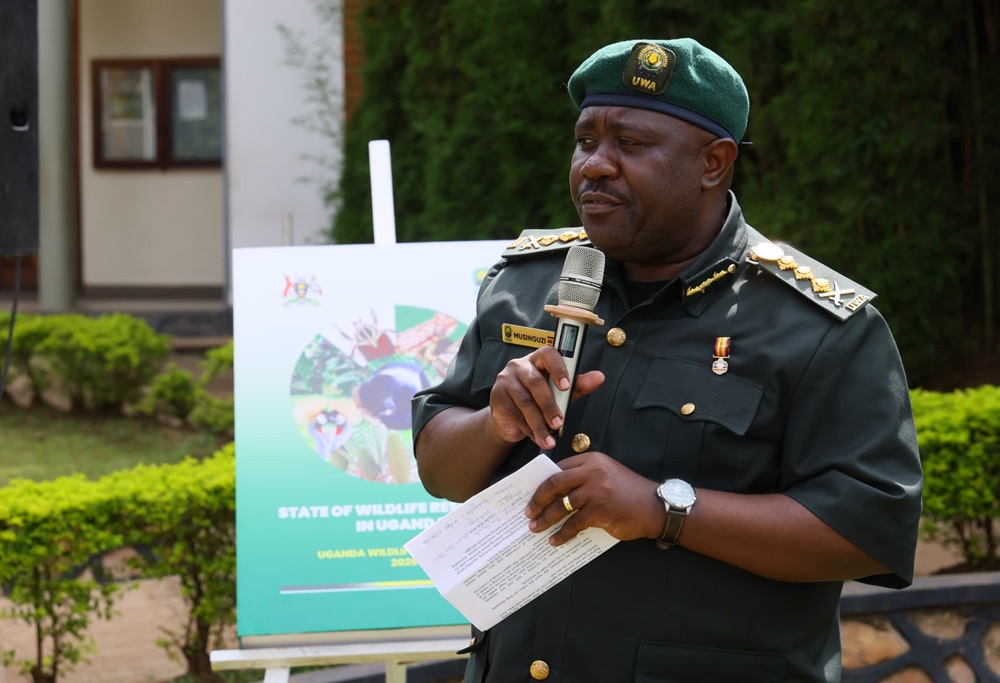
UWA Executive Director Dr James Musinguzi said the authority is leveraging innovation and partnerships to strengthen conservation efforts despite ongoing challenges.
“Despite persistent threats, UWA remains unwavering in its commitment to innovations in monitoring and protection of wildlife resources, strong partnerships, and community engagement to ensure that Uganda’s wildlife not only survives, but thrives for generations to come,” he said.
The report highlights the growing use of technology in conservation, including digital surveillance systems and real-time monitoring tools such as EarthRanger, which are improving protection across wildlife areas.

However, authorities warned that threats such as poaching, habitat loss, climate change, invasive species, and human-wildlife conflict continue to pose significant risks to conservation gains.
UWA Board Chair James Kalema called for policy reforms, including a review of the Uganda Wildlife Act and greater use of real-time data to guide conservation planning and tourism development.
Government has also pledged continued support through infrastructure upgrades, capacity building, and improved access to conservation areas, including road improvements along key tourism corridors such as Kabale–Ruhija and Buhoma.
The report is expected to guide future conservation strategies, strengthen Uganda’s tourism sector, and support evidence-based decision-making among government, investors, communities, and other stakeholders.
If you would like your article/opinion to be published on Uganda’s most authoritative news platform, send your submission on: [email protected]. You can also follow DailyExpress on WhatsApp and on Twitter (X) for realtime updates.