
Gulu, Uganda: The government’s cattle restocking programme in Northern Uganda is coming under renewed parliamentary scrutiny, with the Presidential Affairs Committee set to engage district and city leaders and technocrats in Gulu over the implementation of the scheme.
The committee, led by Bardege-Layibi Member of Parliament Ojara Martin Mapenduzi, arrived in Gulu City ahead of a meeting scheduled for Tuesday at the Gulu District Chambers.
The engagement is expected to place the implementation of the cattle restocking programme high on the agenda, particularly concerns surrounding beneficiary selection, distribution of cattle and management of funds allocated to the scheme.
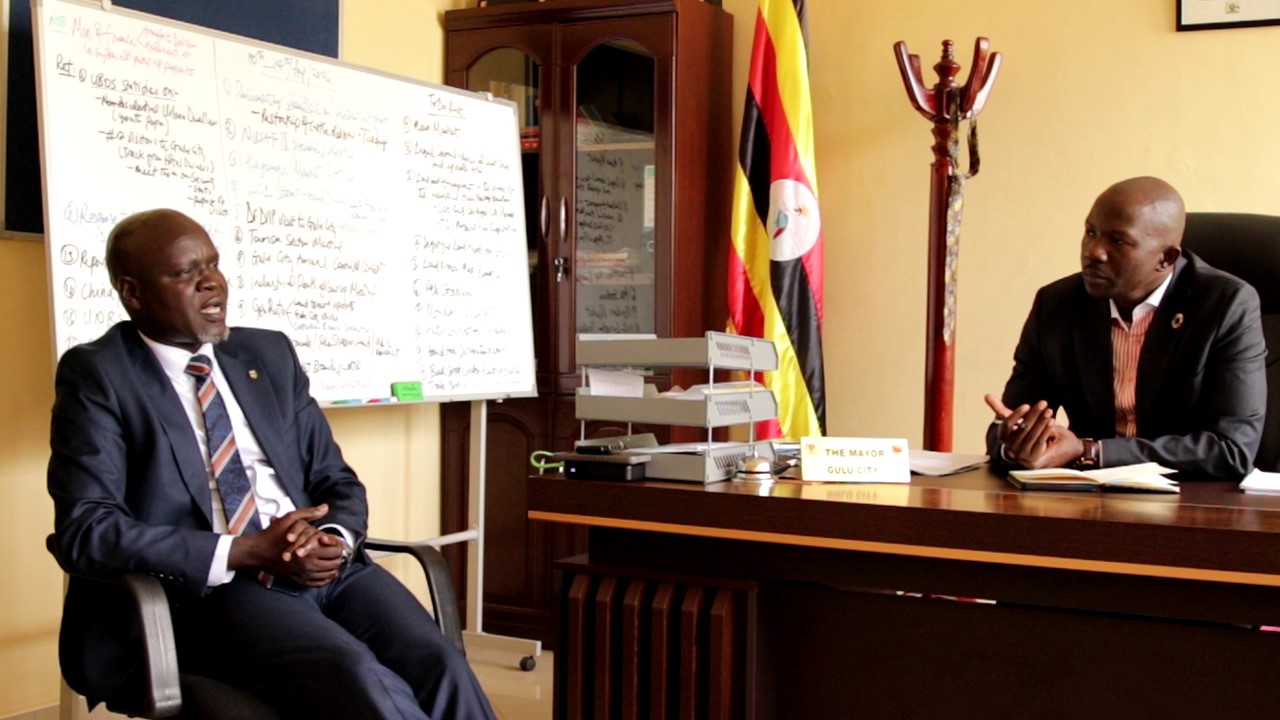
The committee began its Gulu engagements by paying courtesy visits to the newly elected Gulu City Mayor, Achire Julius Labeja, and the Resident City Commissioner, Ononario Ambrose, at their respective offices.
During the meetings, the committee explained that it had come to assess several government programmes and engage local leaders and technocrats on their implementation, with cattle restocking emerging as one of the major areas of concern.
Government committed Shs80 billion to the programme in the previous financial year and increased the allocation to Shs110 billion in the current financial year.

The programme is intended to restore household livestock assets and improve the economic resilience of communities that lost cattle during years of conflict and displacement.
However, its implementation has been accompanied by complaints from some communities and leaders over the manner in which beneficiaries are selected.
One of the recurring concerns is alleged favoritism in identifying beneficiaries, with accusations that some local leaders have prioritised relatives, friends and people within their networks at the expense of vulnerable households.
The scheme was designed to prioritise vulnerable members of society, including elderly people and persons with disabilities, among other disadvantaged households.
These concerns have consequently raised questions about whether the programme is reaching the people for whom it was primarily intended.
The parliamentary committee is expected to hear directly from local leaders and technocrats about the beneficiary identification process, distribution mechanisms and safeguards against political interference and favoritism.
The committee’s intervention comes at a time when livestock remains an important component of household wealth and agricultural production in Northern Uganda. Cattle provide families with food, income, manure and a form of household savings.
For communities rebuilding their livelihoods after years of conflict, the return of cattle is also viewed as an important component of economic recovery.

However, the success of the programme will depend not only on the amount of money committed but also on whether the resources and livestock reach the intended beneficiaries.
The restocking programme is expected to run for about 10 years, with annual financial allocations expected to increase as the programme progresses.
Under the arrangement covering the Acholi, Lango and Teso sub-regions, each selected household is expected to receive support equivalent to Shs5 million to acquire five cows.
The long-term nature of the programme means that weaknesses in beneficiary selection, distribution or monitoring could affect large numbers of households and undermine the intended economic impact.
The Gulu engagement therefore provides Parliament with an opportunity to examine whether the programme is achieving its intended objectives, identify implementation gaps and demand greater transparency in the management of public resources.
For communities waiting to benefit, the central question is no longer simply how much money government has committed to cattle restocking, but whether the programme is reaching those who need it most.
The committee is expected to use information gathered from Gulu leaders and technocrats to inform its parliamentary oversight of the programme and assess whether corrective measures are necessary to improve implementation.
If you would like your article/opinion to be published on Uganda’s most authoritative news platform, send your submission on: [email protected]. You can also follow DailyExpress on WhatsApp and on Twitter (X) for realtime updates.