
Gulu, Uganda: At least 40 charcoal dealers have been detained in Gulu as security agencies intensify enforcement of the 2023 presidential directive banning the burning and transportation of charcoal in Northern Uganda and the Greater West Nile sub-regions.
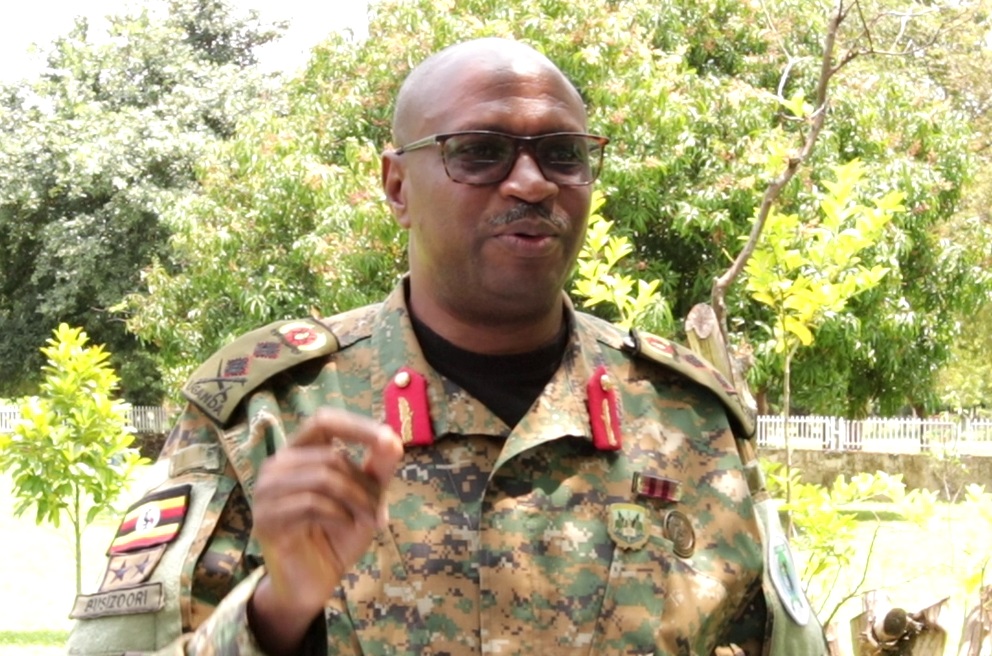
The arrests followed a meeting between security agencies and representatives of charcoal dealers who had sought an audience with the Commander of the 4th Infantry Division, Major General Felix Busizoori, in an attempt to secure permission to continue with their trade.
The dealers argued that the charcoal they were dealing in was no longer sourced from Northern Uganda but transported from South Sudan under permits they said were issued through legally recognised South Sudanese structures.
The meeting at the 4th Division headquarters in Gulu brought together officials from the Uganda People’s Defence Forces (UPDF), Uganda Police Force, Ministry of Water and Environment, Uganda Revenue Authority (URA), Office of the President and representatives of the charcoal dealers.
Major General Busizoori rejected the dealers’ plea, warning that continued charcoal trading was contributing to environmental degradation and undermining the presidential directive.
He said the destruction of forests and trees for charcoal had reached a level that could no longer be ignored, with communities increasingly bearing the consequences through declining agricultural productivity and other environmental challenges.
According to Busizoori, although the presidential directive was issued in 2023, its implementation has continued to face resistance from dealers and some officials involved in regulating the trade.
He warned that enforcement would now be stepped up and directed security agencies to impound any vehicle found transporting charcoal in the prohibited areas.
The charcoal, he said, should instead be distributed to local communities directly affected by environmental degradation.
The meeting also exposed a dispute over the legality of charcoal allegedly imported from South Sudan.
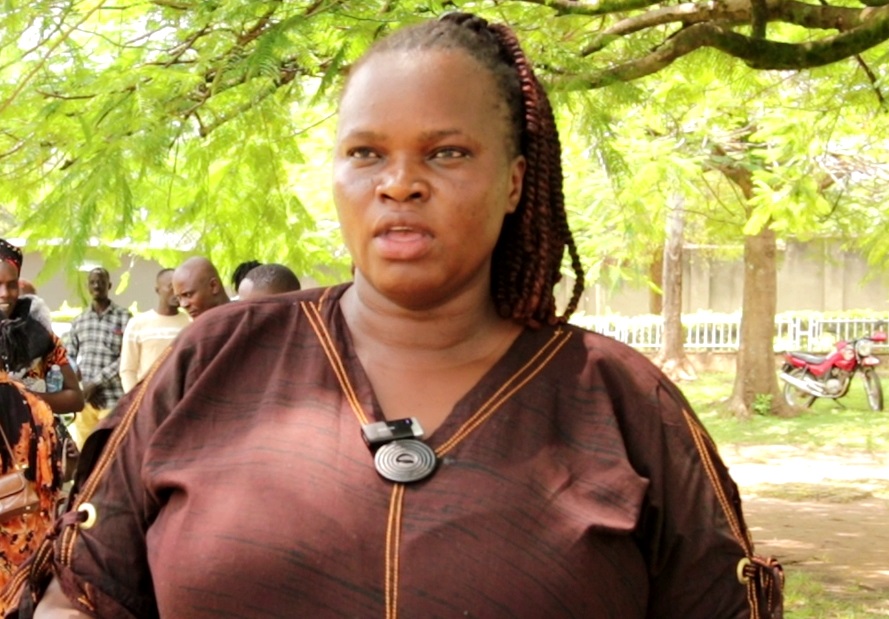
Dorcas Okello, a charcoal dealer from the Lango sub-region, told the meeting that traders had shifted their source of charcoal away from Northern Uganda and were now obtaining it from South Sudan.
She said the traders work through a South Sudanese company and obtain what they believe are legitimate permits from South Sudanese authorities.
However, Ojja Michael, a senior forest officer responsible for Acholi and Lango at the Ministry of Water and Environment, disputed the claim.
Ojja said South Sudan had banned charcoal trading, arguing that Ugandan traders could not rely on permits allegedly obtained from individuals within the South Sudanese system to justify an activity prohibited by that country’s government.
He challenged URA to stop issuing seals that facilitate what he described as illicit cross-border trade, warning that Uganda should not be seen as enabling the exploitation of South Sudan’s natural resources in violation of its laws.
The charcoal trade has also attracted the attention of security agencies over alleged links to armed groups operating in South Sudan.
Major General Busizoori said security officials in South Sudan had raised concerns that some Ugandans involved in the charcoal business could be contributing financially to activities linked to the Sudan People’s Liberation Movement-in-Opposition (SPLM-IO).
He also questioned the authenticity of some permits presented by traders, alleging that some were issued by individuals abusing systems in South Sudan for personal financial gain.
Busizoori further alleged that some permits were being issued by members of the SPLM-IO, which he described as an illegal entity.
The allegations were rejected by the traders.
Okello said the dealers were not knowingly dealing with individuals outside recognised government structures and had no knowledge of any links between their business and rebel activities.

For government, however, the issue goes beyond the economic interests of individual traders.
Dr Alice Akello Opio, Commissioner responsible for Northern Uganda in the Office of the President, advised the dealers to abandon the charcoal business and seek alternative sources of livelihood.
The dealers asked authorities to give them at least two months to dispose of charcoal stocks they said they had already purchased.
They argued that substantial amounts of money had been invested in the products and that an immediate halt to the trade would leave them with significant losses.
Their request was not granted.
Major General Busizoori directed Aswa West Regional Police Commander Fred Karuhanga Hike Ahimbisibwe to investigate all persons suspected of violating the presidential directive.
The investigation is also expected to extend to officials within the UPDF, Police, Ministry of Water and Environment and URA who may have facilitated or participated in the prohibited trade.
Busizoori further directed URA not to approve the issuance of seals for charcoal dealers entering Uganda from South Sudan until there is official confirmation from the South Sudanese government that the charcoal trade has been legally lifted.
He told the dealers that they must either find alternative businesses or, if they insist on remaining in the charcoal trade, operate in parts of Uganda outside Northern Uganda and the Greater West Nile areas covered by the presidential directive.
The crackdown puts the spotlight on the difficult balance between protecting livelihoods dependent on charcoal trading and enforcing environmental and security measures.
For communities in Northern Uganda, where forests and woodland have come under increasing pressure, authorities say strict enforcement is necessary to prevent further depletion of natural resources.
For the traders, however, the latest action threatens a business in which they say they have invested heavily.
The detention of the 40 dealers signals a tougher phase in enforcement of the presidential directive, with security agencies turning their attention not only to traders but also to officials suspected of facilitating the prohibited charcoal trade.
If you would like your article/opinion to be published on Uganda’s most authoritative news platform, send your submission on: [email protected]. You can also follow DailyExpress on WhatsApp and on Twitter (X) for realtime updates.