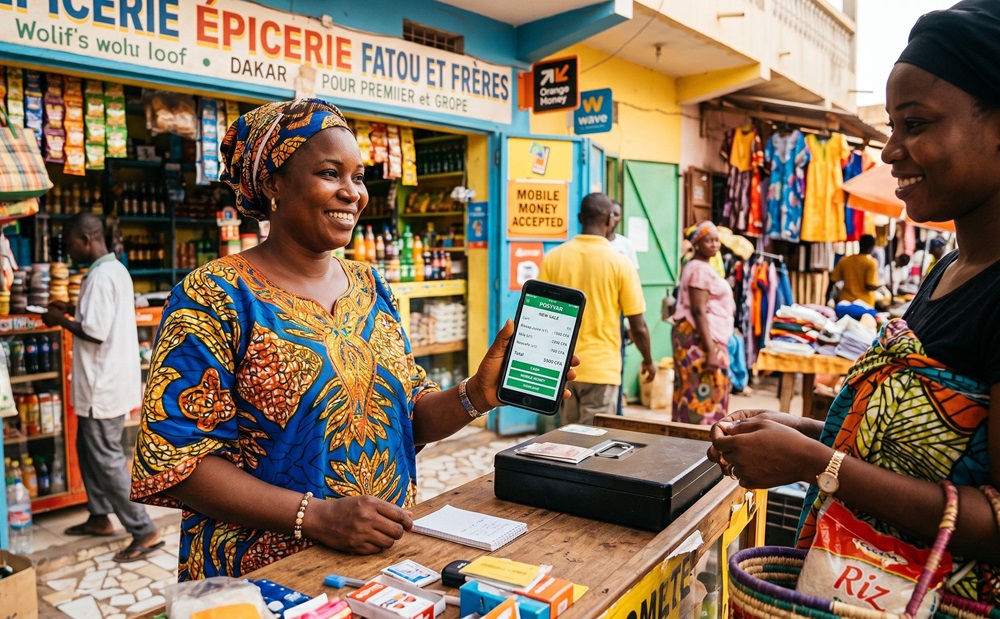
Digital innovation is changing how small businesses operate across Africa, creating new ways to reach customers, manage payments and compete in expanding markets. Mobile financial services, e-commerce platforms and cloud-based tools are helping entrepreneurs improve efficiency, although affordability, infrastructure and digital skills remain important barriers.
The Growing Role of Digital Platforms in Business
Digital platforms are becoming an important part of Africa’s commercial environment, connecting businesses and consumers through online marketplaces, payment services and digital entertainment platforms such as Bison Casino. Their growing presence reflects a wider shift towards online services, where accessibility, customer trust and secure technology are increasingly important.
| Digital economy indicator | Latest reported figure | Reporting period |
| Mobile technology contribution to African GDP | $240 billion | 2025, reported in 2026 |
| Jobs supported by Africa’s mobile ecosystem | Approximately 13 million | 2025, reported in 2026 |
| Global mobile money transaction value | More than $2 trillion | 2025, reported in 2026 |
| Global mobile money merchant payments | $155 billion | 2025, reported in 2026 |
Online Marketplaces and Customer Reach
Online marketplaces allow small enterprises to promote products beyond their immediate communities and connect with customers in other cities or countries. Social media pages, business websites and e-commerce platforms also give entrepreneurs additional ways to display products and communicate with potential buyers.
Mobile Payments and Financial Services
Mobile money and digital payment systems have become essential tools for many African entrepreneurs, allowing businesses to receive payments, transfer funds and manage transactions without depending entirely on cash. The GSMA’s 2026 mobile money report recorded more than $2 trillion in global mobile money transactions during 2025, with merchant payments reaching $155 billion.
Benefits of Digital Transactions
Digital payments can simplify everyday business operations and give customers more convenient ways to complete purchases, particularly in markets where mobile financial services are widely used.
- Faster payments: Customers can pay remotely without visiting a bank.
- Improved records: Transaction histories can support bookkeeping and financial planning.
- Wider customer access: Businesses can accept payments from customers in different locations.
- Convenience: Mobile services allow transactions beyond traditional banking hours.
Digital Marketing and Business Visibility
Social media and online advertising are giving small businesses new ways to build brand awareness and attract customers without relying exclusively on traditional marketing. Platforms such as Facebook, Instagram, TikTok and WhatsApp help entrepreneurs present products, answer enquiries and communicate directly with their target audiences.
Content and Customer Engagement
Regular product updates, short videos and customer feedback can help businesses build recognition and maintain relationships with existing buyers. A consistent online presence also allows smaller brands to compete for attention alongside larger companies, provided that campaigns use clear messaging and address customer needs.
Business Management and Productivity Tools
Digital innovation is not limited to sales and marketing, as software tools are also changing how small enterprises manage inventory, accounting, employees and daily operations. The OECD’s 2026 report on SME financing highlights the growing use of digital financial services among South African micro, small and medium-sized businesses, while showing that operational tools such as business websites and integrated systems are not yet universal.

Practical Applications for Entrepreneurs
Digital solutions can support routine business activities and reduce the time spent on manual administration, particularly when several functions are managed through connected systems.
- Accounting software: Recording income, expenses and outstanding payments.
- Inventory systems: Monitoring stock levels and identifying products that need replenishment.
- Cloud storage: Keeping business documents accessible across devices.
- Customer management tools: Organising enquiries and maintaining customer records.
Challenges Slowing Digital Adoption Across Africa
Despite the potential benefits, many small enterprises still face financial, technical and educational barriers when adopting digital solutions. GSMA research published in 2026 found that 63% of Africans live within mobile broadband coverage but do not use mobile internet, highlighting the difference between network availability and meaningful digital participation.
| Common barrier | Impact on small businesses |
| High technology costs | Limits access to devices and software. |
| Limited digital skills | Makes business tools harder to adopt. |
| Unreliable electricity | Interrupts access to digital services. |
| Weak connectivity | Restricts online communication and transactions. |
| Limited financing | Reduces the ability to invest in upgrades. |
Cybersecurity and Responsible Digital Business
As small businesses rely more heavily on online platforms, protecting customer information and financial accounts becomes increasingly important. Entrepreneurs can reduce common risks by using strong passwords, enabling additional account verification, updating software and checking payment requests before transferring money.
The Future of Digital Innovation for African Entrepreneurs
Continued investment in affordable connectivity, digital education and financial technology could help more African businesses benefit from online markets and modern management tools. Artificial intelligence, cloud services and improved payment infrastructure may create further opportunities, but successful adoption will depend on making these solutions practical, secure and affordable for smaller enterprises.
If you would like your article/opinion to be published on Uganda’s most authoritative news platform, send your submission on: [email protected]. You can also follow DailyExpress on WhatsApp and on Twitter (X) for realtime updates.