In Summary: The five maize mills, donated by President Museveni in 2010 alongside land and premises, have faced years of controversy over ownership, management and access. Previous interventions by the State House Anti-Corruption Unit and subsequent efforts by women’s groups to restore the facilities have yet to settle concerns over who controls the project and how widely its benefits are shared.
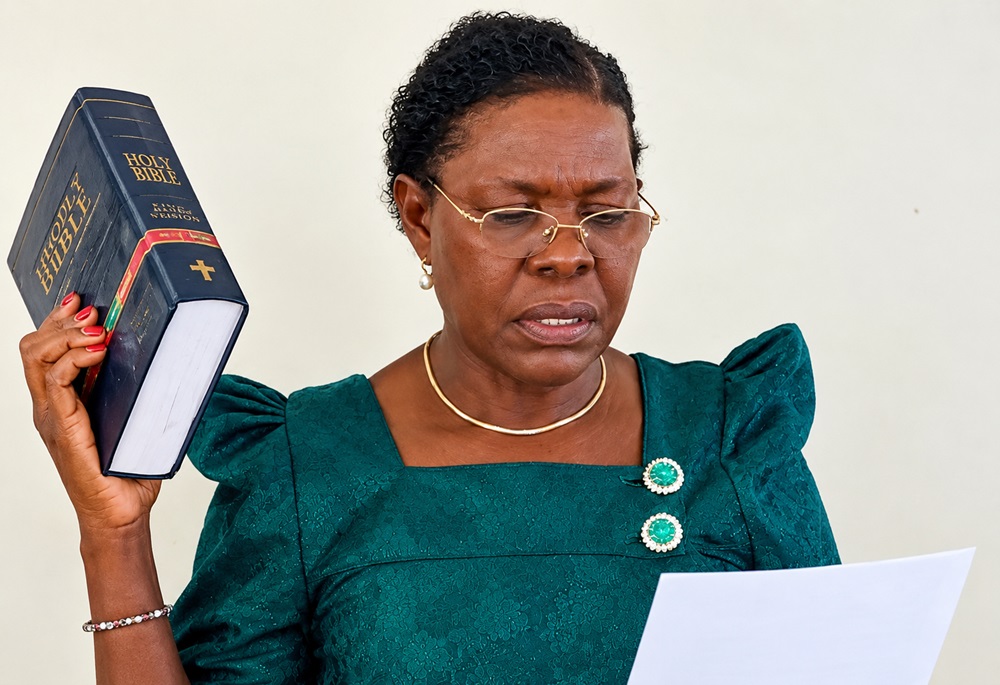
Amolatar, Uganda — Former State Minister for Microfinance Caroline Amali Okao has pledged to revive the Amolatar Women’s Mill Project, an initiative intended to improve women’s economic livelihoods through access to agricultural processing facilities.
Amali made the commitment shortly after being sworn in as Chairperson of the Amolatar District Women’s Council on Thursday, November 5, 2026, returning to the centre of an initiative she says she helped establish during her tenure as the district’s Woman Member of Parliament.
Her return comes amid renewed questions about the management of the milling facilities, the selection of beneficiary groups and whether women across the district have benefited from the investment as originally intended.
The project involved five maize mills donated by President Yoweri Museveni in 2010, alongside land and premises intended to accommodate the facilities and support women’s income-generating activities.
However, the initiative has faced years of controversy over access and management, with some women leaders arguing that the facilities have not adequately served the wider population of intended beneficiaries.
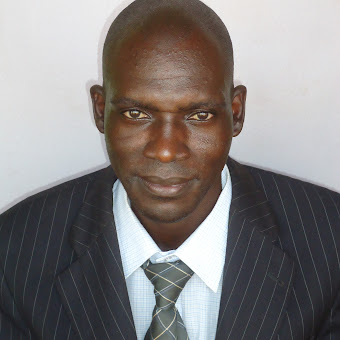
The latest concerns were raised by Amali’s predecessor, Molly Ogwok, who questioned why the benefits appeared concentrated among a limited number of women’s groups instead of reaching women throughout the district.
Ogwok also raised concerns about the management arrangements, including the possibility that the group operating the facility could restrict access through its cooperative and savings structures.
Her concerns have revived questions about who controls the facilities, how women are selected to benefit and what mechanisms are in place to ensure that the project serves its original purpose.
A presidential donation under scrutiny
The five maize mills were donated by President Museveni as part of efforts to improve women’s economic welfare and support income generation through agricultural processing.
The project was intended to provide women with facilities to process agricultural produce, reduce the burden of manual processing and create opportunities for value addition and collective enterprise.
According to earlier reports, government also provided land and constructed premises to accommodate the machines.
However, the initiative became controversial after allegations emerged that the facilities had been taken over by a private group instead of being directly managed by the intended beneficiaries.
In 2021, the State House Anti-Corruption Unit, then headed by Lt Col Edith Nakalema, intervened following complaints from women leaders over access and management.
Nakalema said the mills had not been operationalised as intended and that women had been denied access to the donated facilities. She also raised allegations concerning the registration and management of the project under a private entity associated with Amali.
Those allegations should be distinguished from any independently established finding of personal wrongdoing. Amali’s response to the specific historical allegations should be sought before publication.
Amali returns with a revival pledge
Amali, who represented Amolatar District in Parliament from 2006 to 2016, said she had personally lobbied Museveni for the five mills during her time as Woman MP.
She attributed the project’s subsequent stagnation to management challenges that emerged after she left Parliament and pledged to work with relevant stakeholders to restore its original purpose.
In remarks reported after her swearing-in, she said: “I will work towards reviving the mill and ensuring that it serves the women of Amolatar as originally intended.”
Her return to leadership presents an opportunity to address the concerns surrounding the facilities, particularly access, management, transparency and the distribution of economic benefits.

The new chairperson is also expected to champion women’s and girls’ rights, promote skills development, strengthen enterprise groups and increase women’s participation in decision-making.
Women want answers on access and management
The concerns raised by Ogwok go beyond the physical condition of the machines to the broader question of whether the project has fulfilled its original mandate.
An initiative intended to empower women across a district must be assessed not only by the availability of equipment but also by the number of beneficiaries reached, the affordability of services, the income generated and the opportunities created for women in different communities.
The project has previously attracted efforts to restore women’s access. In June 2024, local reporting indicated that women leaders were working to improve the grinding mill and organise beneficiaries into a cooperative, while calling for transparency over how the facility operates and benefits its members.
More recently, an October 2026 report indicated that women using the facility had agreed to revamp its value-addition section, including plans to repair all five planned mills by the end of November.
That development suggests that efforts to restore the facility were already underway before Amali’s latest pledge, making coordination between the women’s groups, district leadership and other stakeholders particularly important.
District administration pledges support
At the November 5 swearing-in ceremony, Deputy Chief Administrative Officer Geoffrey Vuciri pledged the district administration’s support to the newly constituted Women’s Council.
He also pointed to opportunities available to special-interest groups to present their concerns during district council meetings.
The arrangement could provide the new leadership with a platform to raise outstanding questions about the milling project, engage technical officials and seek practical solutions through district structures.
For the project to regain public confidence, the new leadership will need to establish the current ownership and management arrangements, disclose the condition of the five machines, clarify beneficiary-selection procedures and provide a clear plan for making the facilities accessible to women across Amolatar.
Ultimately, the test of the revival pledge will be whether the mills become functional, accessible economic assets that deliver measurable benefits to the women they were intended to serve.
If you would like your article/opinion to be published on Uganda’s most authoritative news platform, send your submission on: [email protected]. You can also follow DailyExpress on WhatsApp and on Twitter (X) for realtime updates.