
In Summary: While the Ministry of Works and Transport says rehabilitation and grading have started on the Namasale–Dokolo section, it expects works on the Epyel and Atingi–Chakwara roads to begin before the end of December, subject to legal approval. Residents are still seeking firm funding and a construction timetable for the full tarmacking project.
Amolatar, Uganda — Hopes of finally securing the tarmacking of the 88-kilometre Dokolo–Ochero–Namasale road have been rekindled after Parliament’s Committee on Physical Infrastructure inspected the deteriorating road network in Amolatar District and called for action on long-standing government commitments.
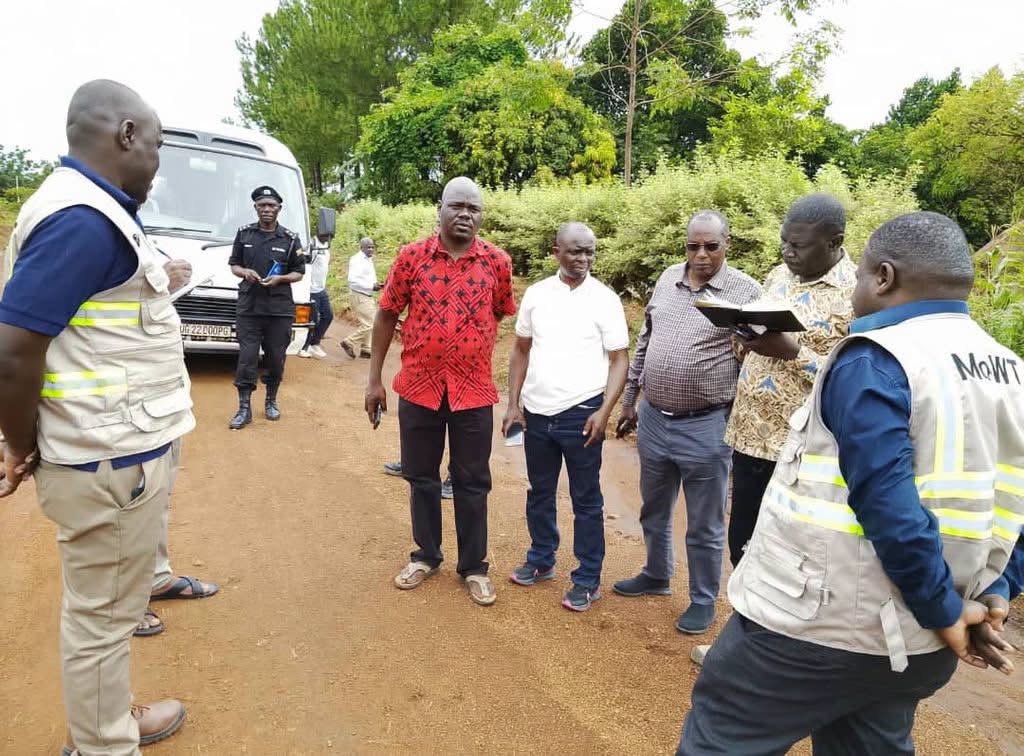
The eight-member delegation, led by committee vice-chairperson William Taylor Tiyo, visited the district on Thursday, November 12, 2026, as part of Parliament’s oversight activities to assess the condition of roads and establish progress on government infrastructure commitments.
The team inspected the Dokolo–Ochero–Namasale road, Atingi–Chakwara road and Alemere–Nalubwoyi road, which residents rely on to transport agricultural produce, access markets and reach health and education facilities.
For communities in the district, the central concern is whether the latest parliamentary engagement will translate into actual construction or become another unfulfilled promise.
The 88-kilometre Dokolo–Ochero–Namasale road remains a major concern. Its proposed upgrade to tarmac has featured in government development plans and political manifestos since 2016, but the project has yet to move into full construction.
Poor road conditions have increased transport costs and made journeys difficult, particularly during rainy seasons when some sections become challenging to navigate.
Kyoga North MP Geoffrey Ocen Kiring and Kyoga County MP Collins Angwech highlighted the hardships residents face, including expensive transportation and difficulties accessing healthcare facilities.
The legislators also urged government to prioritise construction of a bridge across Epyel Swamp, arguing that the lack of a reliable crossing isolates some communities and disrupts movement between neighbouring areas, especially during heavy rains.
They said improved roads and a bridge would help residents reach health facilities, schools and markets while supporting the movement of agricultural produce.
Ministry outlines planned road works
Ministry of Works and Transport Lira Station Manager Vincent Mukasa said construction works on the 12-kilometre Epyel road and the 15.2-kilometre Atingi–Chakwara road were expected to begin before the end of December, subject to approval by the Solicitor General.
Mukasa also said rehabilitation and grading works on the Namasale–Dokolo road had commenced. However, the ongoing rehabilitation is different from the long-term demand to upgrade the entire 88-kilometre Dokolo–Ochero–Namasale corridor to tarmac.
While grading could improve accessibility in the short term, residents want a permanent solution through full tarmacking of the road.
The Ministry will therefore face pressure to implement the planned interventions within the stated timelines and clarify how the larger project will be financed and delivered.

Museveni funding pledge raises expectations
Ajuri County MP Fred Jalameso of Alebtong District said President Yoweri Museveni had verbally pledged to secure alternative funding for the road’s tarmacking. The reported commitment has raised hopes that the project could finally obtain the financial backing required for implementation.
However, given the road’s long history in government development plans, residents are seeking a clear financing arrangement, an implementation schedule and evidence that the project is moving towards construction.
The parliamentary committee’s visit provides an opportunity to press the relevant government agencies for answers on the outstanding infrastructure commitments.
Amolatar District LCV Chairperson Morish Ogwal Omara said the district’s road challenges extend beyond the main Dokolo–Ochero–Namasale corridor, with several community access roads also requiring urgent rehabilitation.
“The poor road network is not confined to the major Dokolo–Ochero–Namasale corridor. Several community access roads also remain in need of rehabilitation, making transportation difficult for residents, farmers, traders and people seeking medical attention,” Ogwal said.
He said poor feeder roads undermine agricultural production, market access and the delivery of public services, with farmers facing higher costs when transporting produce. “For patients, the situation can mean longer and more difficult journeys to health facilities, particularly during emergencies,” he said.
Ogwal called for increased government investment in both major roads and community access routes, arguing that reliable transport infrastructure is directly linked to economic activity and service delivery.
If you would like your article/opinion to be published on Uganda’s most authoritative news platform, send your submission on: [email protected]. You can also follow DailyExpress on WhatsApp and on Twitter (X) for realtime updates.


