
In Summary: The Ministry of Works and Transport says maintenance works on the Agwata–Aduku road have reached 95 per cent, as its Lira Station steps up interventions across a 1,037-kilometre road network covering 10 districts and Lira City.
Lira City, Uganda — The Ministry of Works and Transport has reported 95 per cent physical progress on the Agwata–Aduku road, even as political and district leaders in the Lango sub-region call for increased government investment to address deteriorating road infrastructure.
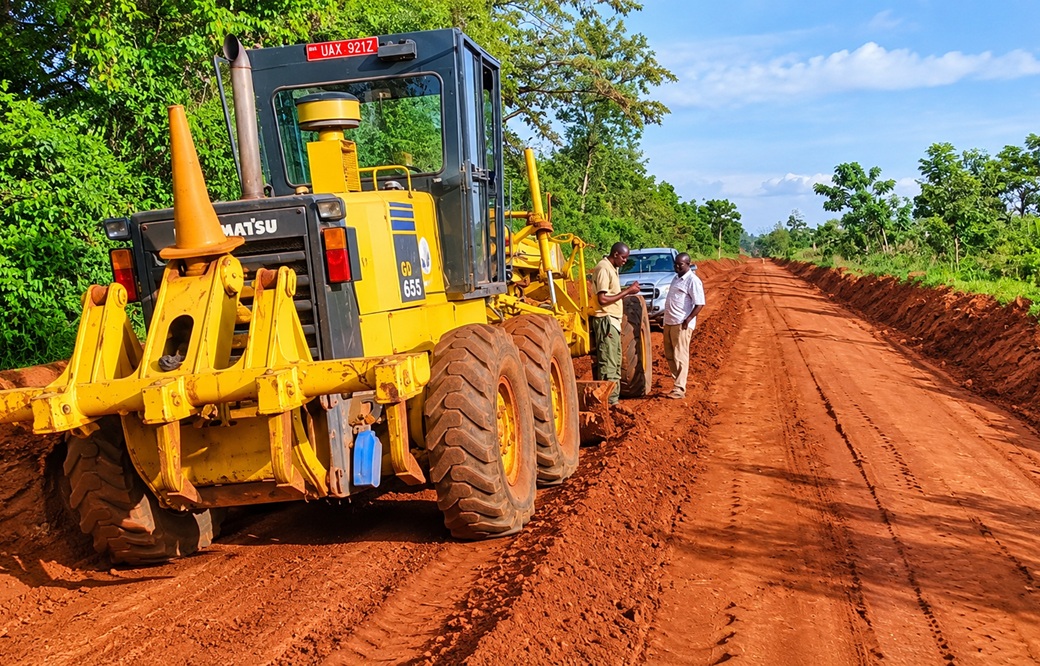
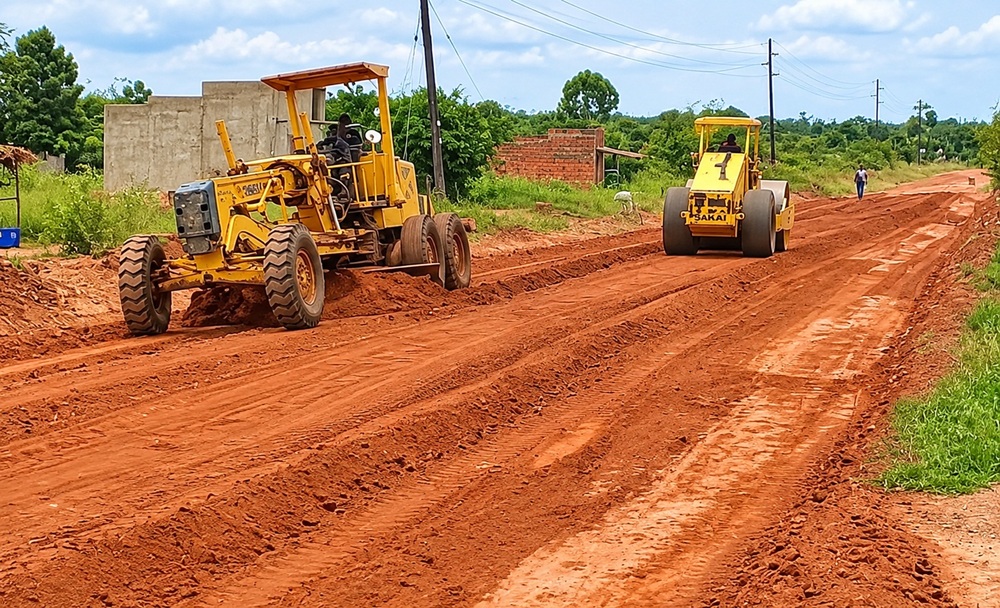
Through its Lira Station, the ministry is undertaking routine maintenance involving grading, spot gravelling, drainage improvements and culvert extensions on several key road corridors, including Dokolo–Ochero, Ochero–Namasale, Akia–Aloi and Aduku–Teboke–Loro.
The interventions are intended to improve road accessibility for communities, farmers, traders and other road users, particularly in areas where poor road conditions become more severe during rainy seasons.
However, leaders say the reported progress on individual road projects has not resolved the wider infrastructure challenges affecting government-maintained roads across the region.
They are calling for increased funding, sustained maintenance and long-term rehabilitation to improve connections between rural communities, markets, schools, health facilities and administrative centres.
According to the Ministry of Works and Transport, Lira Station is responsible for a road network measuring 1,037 kilometres across 10 districts and Lira City. Of this network, the station directly maintains 726 kilometres, while the ministry reports that 83.3 per cent of the roads are in fair-to-good condition.
The maintenance programme focuses on routine grading, spot gravelling and drainage improvements intended to preserve accessibility and reduce further deterioration.
Road connectivity is particularly important in the Lango sub-region, where farmers and traders depend on reliable transport links to move agricultural produce to markets. Poor road conditions increase transportation costs and make it difficult for residents in remote communities to access healthcare, education and other essential services.
Engineer explains maintenance priorities
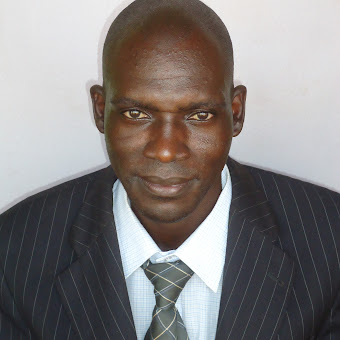
The Lira Station Engineer, Eng. Abenabo Alison, was monitoring road works on Thursday, November 12, 2026, as the ministry continued interventions aimed at maintaining the network and addressing sections affected by drainage challenges.
The programme places particular emphasis on routine maintenance and drainage improvements, including the extension of culverts at vulnerable points. The interventions are intended to improve water flow away from road surfaces, reduce erosion and protect gravel roads from premature deterioration.
However, the ministry faces environmental challenges in low-lying areas around Lake Kwania and Lake Kyoga, where flooding and prolonged waterlogging frequently affect road infrastructure. These conditions expose road surfaces and shoulders to erosion, making some routes difficult to maintain, particularly during extended rainy seasons.
Despite the ministry’s reported road condition statistics, political leaders in the region say more needs to be done to address the deteriorating state of central government roads.
Kole North Member of Parliament Dr Samuel Opio Acuti called for increased government investment in road infrastructure, arguing that reliable roads are essential for economic activity and access to education.
“The government needs to put funding priorities on roads for long-term improvement so that communities can access markets and children can go to school early,” Dr Opio said.
His remarks reflect concerns among rural communities that poor infrastructure continues to affect their ability to transport agricultural produce, access public services and participate in economic activities.
Kwania District LCV Chairperson George KK Akacha also called for urgent government attention to central government roads in the district, citing the impact of flooding and prolonged waterlogging.
“Central government roads in Kwania District need urgent attention by government because the impact of flooding is alarming, which calls for more effective maintenance,” Akacha said.
In Apac District, Apac Municipality MP Patrick Ocan and District LCV Chairperson Ambrose Agec Opio are among the local leaders whose assessments highlight the need for improvements to government road infrastructure.

District leaders argue that routine maintenance must be supported by adequate funding and more durable interventions, particularly on roads that experience repeated damage.
Flooding threatens durability of road works
Flooding and prolonged waterlogging remain major obstacles to road maintenance in parts of the Lango sub-region. Communities around Lake Kwania and Lake Kyoga are particularly vulnerable because the low-lying terrain exposes several road sections to flooding.
When drainage channels become ineffective or culverts fail to accommodate excess water, gravel roads can develop deep potholes, erosion channels and damaged shoulders.
The resulting deterioration increases transportation costs and disrupts the movement of people and goods. This makes drainage infrastructure a critical component of road maintenance rather than an optional addition to routine grading and gravelling.
Although the ministry’s ongoing interventions include drainage improvements and culvert extensions, questions remain about whether routine maintenance alone can adequately address the long-term infrastructure challenges in flood-prone communities.
Dokolo–Ochero–Namasale road remains under scrutiny
The Dokolo–Ochero–Namasale corridor illustrates the wider challenges facing government-maintained roads in the region.
In April 2025, concerns were raised by residents of Dokolo and Amolatar over the deteriorating condition of the road, with sections reportedly developing deep potholes that caused delays, vehicle damage and diversions to longer alternative routes.
The corridor connects communities in Dokolo, Kaberamaido and Amolatar, while also providing access towards the Namasale–Nakasongola ferry crossing.
The ongoing maintenance works on the Dokolo–Ochero and Ochero–Namasale sections are therefore significant for residents, traders and transport operators who depend on the route. However, road users will be looking beyond temporary improvements to establish whether the interventions can deliver lasting accessibility.
The reported 95 per cent progress on Agwata–Aduku Road is a milestone in the current maintenance programme, but the wider challenge remains ensuring that improvements on individual roads translate into better connectivity across the entire network.
The ministry’s reported 83.3 per cent fair-to-good road condition rating provides an overview of the network, while the remaining 16.7 per cent requires attention, particularly in communities where poor road conditions continue to affect livelihoods and access to essential services.
If you would like your article/opinion to be published on Uganda’s most authoritative news platform, send your submission on: [email protected]. You can also follow DailyExpress on WhatsApp and on Twitter (X) for realtime updates.


