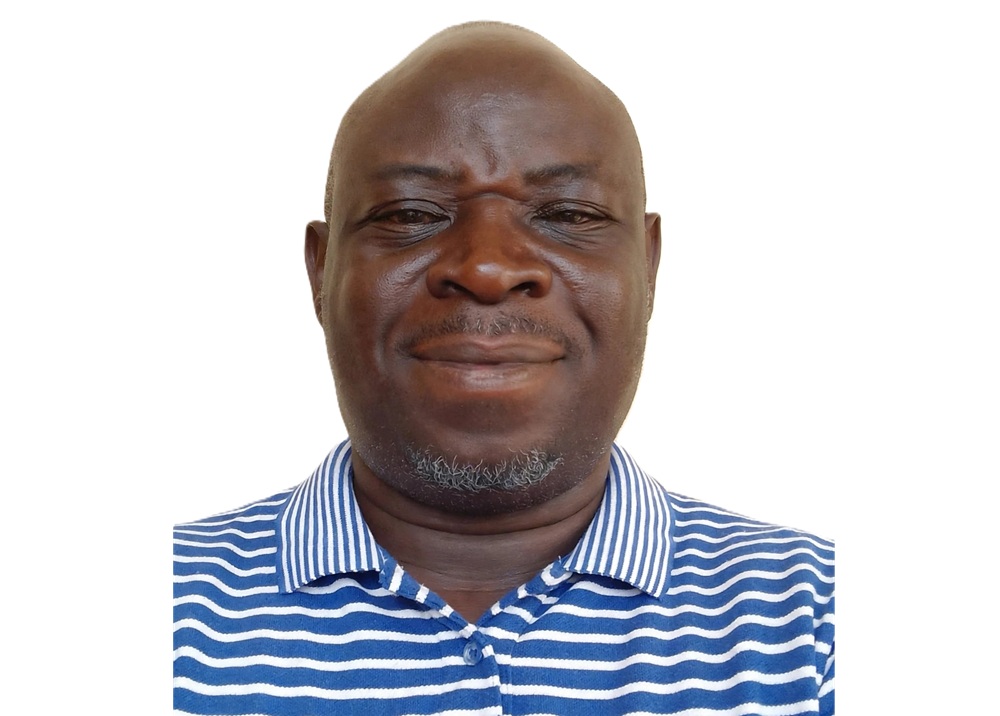
By Mweene Ruzayo Omunyakyaro
Budget Monitoring & Expenditure Tracking Expert and Rural Community Service Delivery Advocate
Every budget tells a story about what a country values. Uganda’s FY 2026/27 budget, now at Shs84.4 trillion, tells a painful one: we are increasingly budgeting to pay ourselves, not to serve citizens.
Of that huge envelope, Shs9.71 trillion goes to wages, Shs33.28 trillion to recurrent costs, and only Shs22.05 trillion to development. For every shilling set aside to build a road, equip a health centre, stock a classroom or extend clean water, more than one-and-a-half shillings go to keeping the state running — salaries, allowances, travel, workshops, fuel and administration.
This is not an argument against paying public servants. Teachers, nurses, police officers and local government staff deserve fair, timely pay. A teacher who is not paid cannot teach. A nurse who is not paid cannot care. But when the wage bill grows from Shs8.57 trillion to Shs9.71 trillion in a single cycle, while development is squeezed, we must ask: are we building a state that serves wananchi, or a state that serves itself?
“We are creating a salary state — present as a payroll, absent as a service.”
Walk through any district and the contradiction is visible. The district headquarters may be newly painted, with staff in offices and vehicles parked outside. Yet a few kilometres away, the road to the health centre is impassable in the rain. The health centre has staff on the payroll, but no drugs. The school has teachers on the payroll, but no desks, no textbooks, no latrines. The borehole budgeted for three years ago is still a line in a report, not water in a jerrycan.
This is not a failure of effort by individual public servants. It is a failure of budgeting structure. When recurrent costs swallow the budget, Ministries, Departments and Agencies are left with no fiscal space to deliver. They can pay people to sit in offices, but they cannot give them the tools to work. A road engineer without fuel and materials cannot maintain a road. An extension worker without transport cannot reach farmers. A doctor without medicine cannot treat patients.
The result is a cruel paradox: Uganda spends more and more, but citizens feel less and less. The state grows heavier, while service delivery grows thinner.
The problem is compounded by waste and corruption. The Inspectorate of Government and the Auditor General have repeatedly documented that Uganda loses an estimated Shs9 trillion annually to corruption and inefficiency. That is money that could have built hundreds of kilometres of roads, equipped referral hospitals, or funded education properly. Instead, it leaks through inflated procurement, ghost workers, abandoned projects, and unauthorised spending.
Recent findings by Parliament’s Public Accounts Committee on Shs283.74 billion in unauthorised spending are not an anomaly. They are a symptom of a system where accountability is weak and budgeting is treated as a ritual, not a contract with citizens.
Meanwhile, development budgeting has become the residual — what is left after salaries and administration have taken their share. In a proper budget, development should be protected first, because it is development that creates the future revenue that will pay tomorrow’s salaries. When we starve development to pay today’s wage bill, we are eating our seed.
Consider the cost. A district road not maintained this year will cost three times more to rehabilitate next year. A health centre without drugs this year will lead to preventable deaths and higher treatment costs later. A child who sits on the floor in a crowded classroom today will become an adult without the skills to earn, to pay tax, to lift a family out of poverty. The cost of under-investing in development is not just financial. It is human.
None of this means we should freeze salaries. In fact, a leaner, cleaner, better-paid public service is part of the solution. But pay must be linked to performance, to presence, and to outputs. “A payroll that includes ghost workers and duplicate payments is not a wage bill. It is theft.”
So how do we break out of the salary state?
First, clean the payroll. Every MDA and local government must conduct a full biometric audit, remove ghosts, and publish its payroll. The savings alone would free billions for development without cutting a single genuine worker’s pay.
Second, ring-fence development. Once Parliament approves money for a road, school, water scheme or health facility, it should not be diverted to workshops or travel without Parliament’s explicit approval.

Third, enforce the Public Finance Management Act. The law already exists. What is missing is consequence. Accounting officers who spend without authorisation or preside over stalled projects must face sanctions — not transfers to another lucrative posting.
Fourth, move fully to electronic Government Procurement. Manual procurement is where much of the Shs9 trillion is lost. A transparent EGP system would cut inflated prices, reduce collusion, and restore confidence that public money is buying real value.
Fifth, budget for outputs, not inputs. Parliament should stop asking only “how much did you spend?” and start asking “what did you deliver?” Did the money for roads produce kilometres of road or just fuel vouchers? Did the money for health produce drugs on shelves or just allowances for meetings about drugs?
These are not radical reforms. They are basic public finance discipline. They do not require a new constitution or a donor conference. They require political will.
The FY 2026/27 budget process is still open. Parliament can still amend. The Ministry of Finance can still protect development. Citizens can still demand that the budget serves wananchi first.
If we continue on this path, we will end up with the most expensive state in East Africa with the poorest services — a government that can pay itself handsomely but cannot fix a pothole, stock a clinic, or deliver clean water to a village.
Uganda does not need a bigger salary state. It needs a leaner, cleaner, more accountable state that budgets to deliver. We can budget to pay ourselves, or we can budget to serve. We cannot do both and expect development to happen by accident.
If you would like your article/opinion to be published on Uganda’s most authoritative news platform, send your submission on: [email protected]. You can also follow DailyExpress on WhatsApp and on Twitter (X) for realtime updates.