
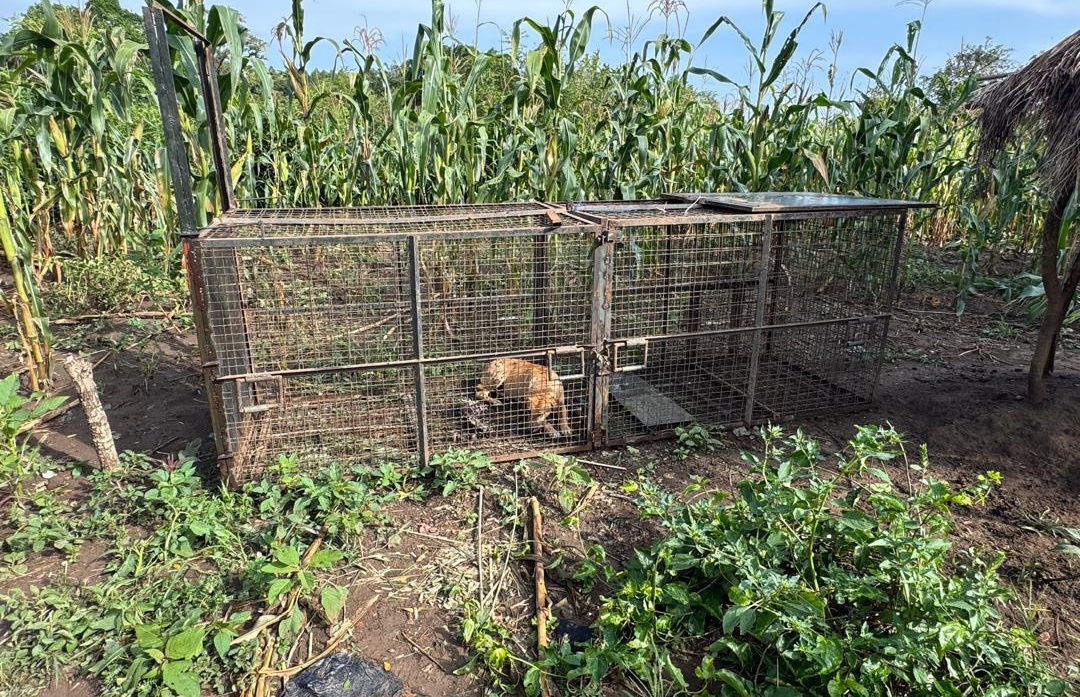
In Summary: UWA says traps set during the operation caught domestic dogs, which were safely released. However, the university maintains that its security personnel and surveillance cameras had recorded leopards on campus, leaving questions about the animals’ whereabouts unanswered.
Soroti City, Uganda — The Uganda Wildlife Authority (UWA) has ended its search for leopards reportedly spotted near Soroti University after traps set during the operation caught domestic dogs instead of the elusive wild cats.
In an update posted on its official X account on Thursday, the authority said its team had spent several days investigating the reports, inspecting suspected locations and engaging residents before deciding to withdraw from the operation.
The traps deployed during the search captured only domestic dogs, which were safely released, while wildlife officers failed to sight or capture any leopard.
“For now, no leopard has been sighted; we have been sensitizing the communities all these days and encouraging them to report any wild animal sighting in the area. We remain on call. Thank you,” UWA said.
The authority, however, has not ruled out responding again should credible reports of wild animal sightings emerge.
The development brings to a close the immediate field operation that began after reports emerged of three leopards near the university in Arapai, Soroti City East Division, triggering anxiety among students, staff and neighbouring communities.
The incident attracted attention last week after Soroti University reported that its security cameras had captured three leopards near the institution’s administration block.
The university said the animals were first spotted on Wednesday evening, November 4, prompting security officers to alert management and advise students and staff to remain cautious.
On November 6, UWA confirmed receiving reports of the sightings and deployed wildlife officers to investigate and establish the animals’ whereabouts. The authority later sent a veterinary team to reinforce the response operation, urging residents to remain calm, keep a safe distance and avoid confronting or harming the animals.
The search extended beyond the university, with wildlife officers responding to reports of suspected leopard attacks on sheep, goats, pigs and poultry in several communities across Soroti and neighbouring areas.
Speaking to residents in Kichinjaji Ward, Soroti City East Division, UWA veterinary officer Dr Joshua Lubega said the team had spent almost a week investigating reports across four sub-counties, extending its operation from Soroti City towards Amuria.
He said the footprints examined at the locations pointed to dogs, particularly stray dogs, rather than leopards. “I can say, substantially there is no leopard in Soroti because we have gathered enough evidence that pinned dogs, especially stray dogs, we captured some in our traps and we have seen some of them physically at the scene,” Lubega said.
UWA communications officer Suleiman Musau also said the team had used traps and drones to investigate the reports but had not established the presence of the animals.
University maintains leopards were sighted
Despite UWA’s findings, Soroti University has maintained that its security personnel genuinely sighted leopards around the campus.
The university’s Public Relations Officer, Juma Hassan Nyene, told media that security cameras had captured the animals and insisted that the absence of fresh sightings did not mean the original reports were false.

He suggested that the animals could have moved to another location, arguing that their disappearance did not invalidate the university’s account.
The disagreement leaves an important question unresolved: whether the reported leopards moved away from the area before UWA could locate them or whether some of the incidents attributed to wild cats involved domestic dogs.
UWA also said some pictures circulating on social media purporting to show leopards in unusual locations, including inside the university library, were artificially generated. The authority said it was still seeking to examine the original material reportedly captured by a student.
The university incident came amid wider reports of suspected wildlife movements and livestock attacks in parts of the Teso sub-region.
Before the university sightings, residents had reported suspected leopard activity in Soroti and neighbouring areas, including Awaliwal in Soroti District. There were also reports of wildlife encounters in Amuria and other parts of the region.
The situation heightened concern after a man was reportedly killed in Gweri Sub-county, Soroti District, earlier in November. However, authorities had not conclusively established that the animals reported near Soroti University were responsible for the death.
During the search, UWA urged residents to avoid approaching suspected wild animals, confronting them or attempting to capture them. The authority also encouraged communities to report sightings so that wildlife officers could assess the situation and respond appropriately.
UWA Spokesperson, Bashir Hangi, posting the photo of a dog captured by the trap said, “No one in the area could say for sure they’d seen a leopard.” He added, ” This should put an end to the panic among local residents. The operation has accordingly ended, and teams will withdraw from the area.”
Although the search team has now withdrawn, UWA says it remains available to respond to fresh reports, leaving residents with the responsibility of promptly alerting authorities whenever they encounter suspected wildlife.
If you would like your article/opinion to be published on Uganda’s most authoritative news platform, send your submission on: [email protected]. You can also follow DailyExpress on WhatsApp and on Twitter (X) for realtime updates.