

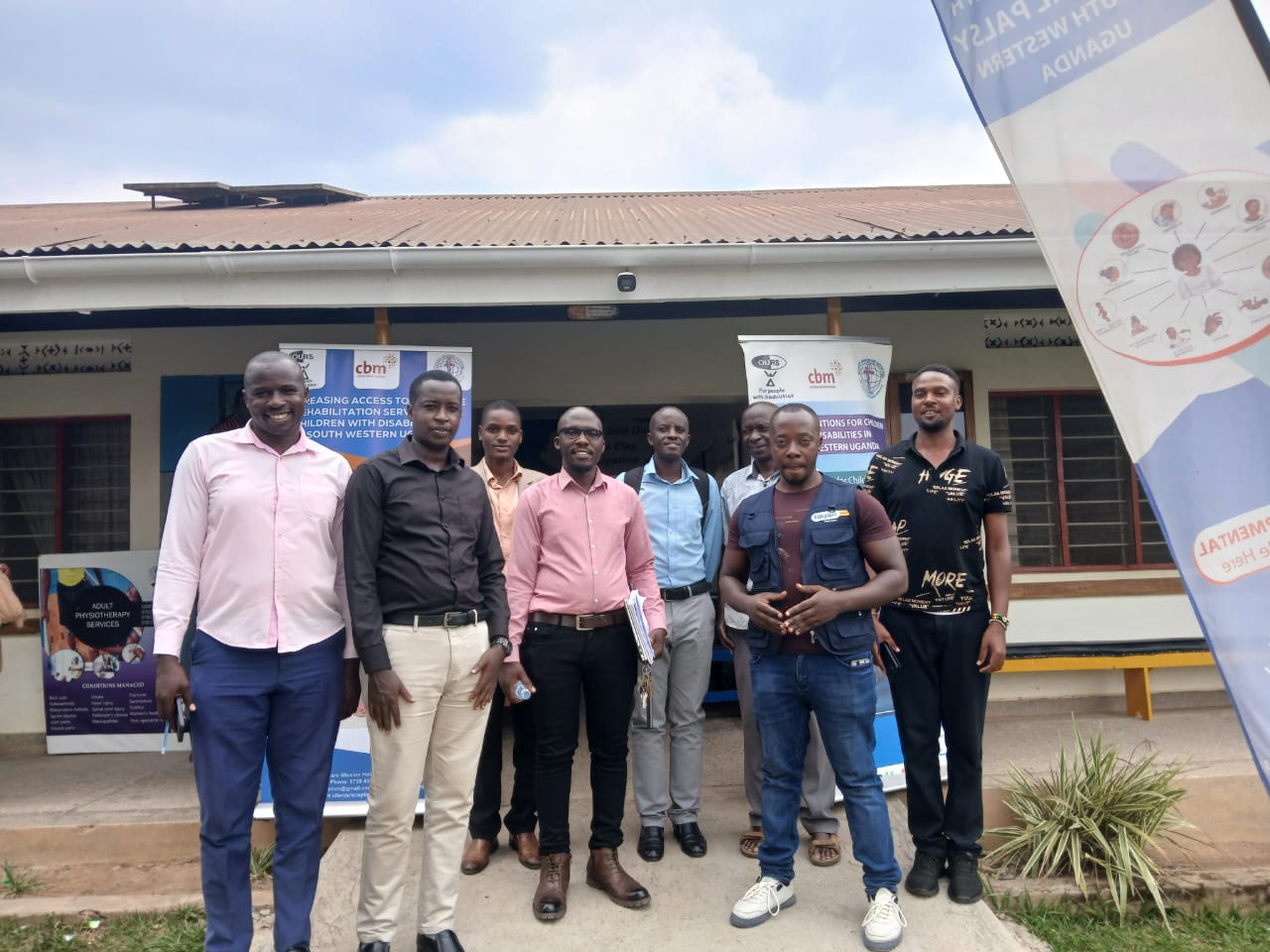
Mbarara, Uganda: Journalists and policy makers in South Western Uganda have been called upon to adopt recommended language when reporting on persons with disabilities (PWDs) to prevent stigmatization, discrimination, and promote social inclusion.
The appeal was made by Mr. Ndyowaawe Aaron, Program Administrator of Organized Useful Rehabilitation Services (OURS) at Ruharo Mission Hospital, Ankole Diocese, during the closing ceremony of a one-day training for journalists on disability inclusiveness.
The workshop, organized by the Spina Bifida and Hydrocephalus Association of Uganda (SHAU), focused on the media’s role in combating stigma and promoting respectful coverage of PWDs.
Mr. Ndyowaawe highlighted the critical need for local and central governments to plan and budget for quality healthcare services for children living with spina bifida, hydrocephalus, and other disabilities.
“Every year, OURS Ruharo Mbarara receives over 60 children with spina bifida, each requiring surgeries costing over five million shillings, which are not covered by government budgets,” he said.

Journalists were challenged to craft messages that educate communities on caring for children with disabilities without segregation, emphasizing that all individuals are entitled to human rights and access to services.
Betty Adongo Wandera, Program Assistant at SHAU, urged journalists to adopt positive narratives when covering PWDs, stressing the importance of empowering and uplifting those affected.
Senior journalist Perez Rumanzi of the Daily Monitor reinforced the message, noting that spina bifida and hydrocephalus affect approximately one in every 1,000 newborns, often causing additional health challenges such as iron deficiencies. He also advised women of childbearing age to take folic acid supplements and consume nutritious foods to reduce the risk of the condition.

Ruth Nalugya, SHAU Executive Director, emphasized that government and stakeholders have a responsibility to ensure PWDs live independently, access public services, and participate fully in society.
She stressed the importance of creating barrier-free environments, including accessible transportation, communication technology, and information systems.
The training brought together journalists from across the region, reflecting a shared commitment to fostering an inclusive, respectful, and supportive environment for individuals living with disabilities.
If you would like your article/opinion to be published on Uganda’s most authoritative news platform, send your submission on: [email protected]. You can also follow DailyExpress on WhatsApp and on Twitter (X) for realtime updates.

