
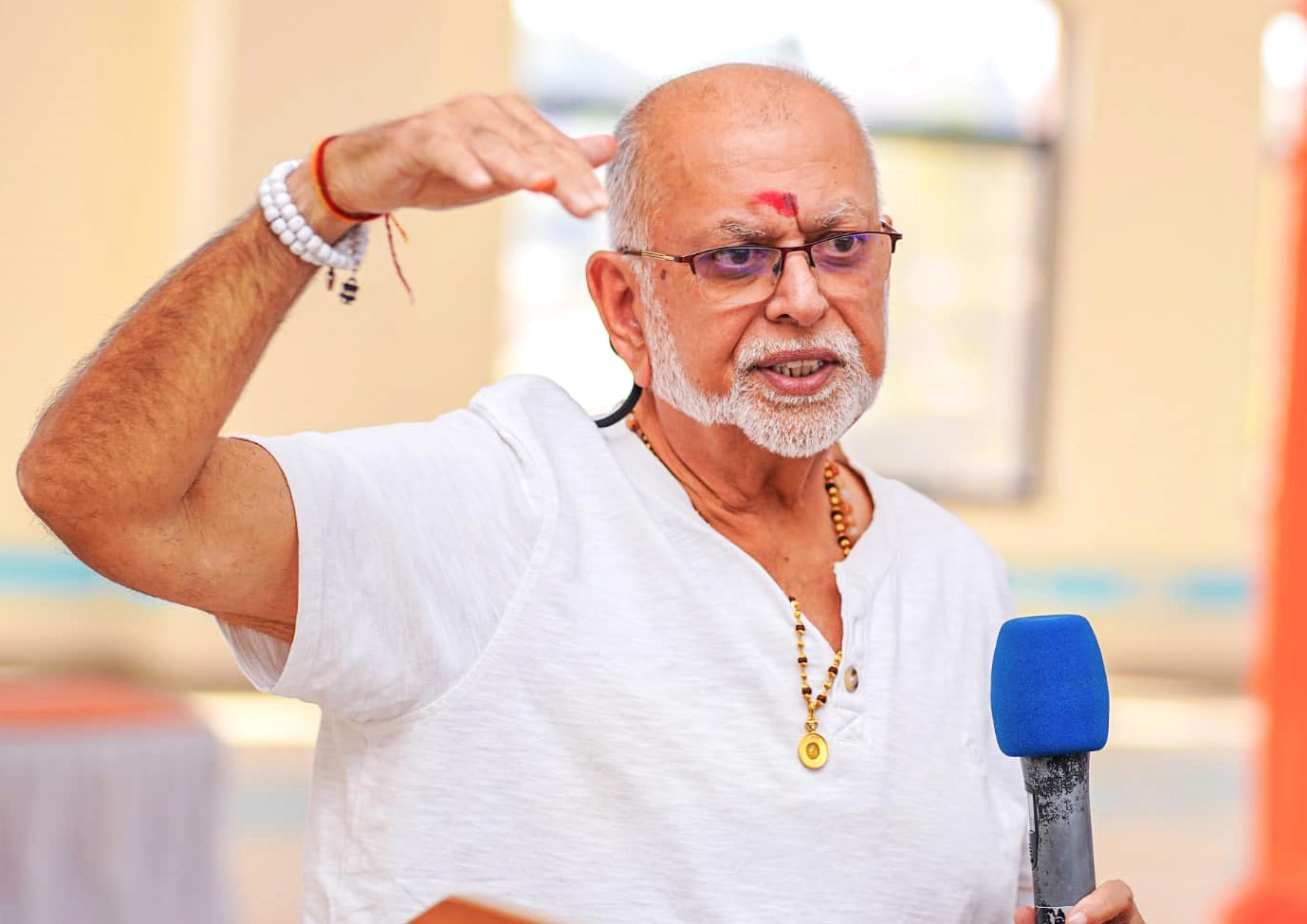
Kampala, Uganda: In a continent where wealth and power often mirror lineage or politics, Dr Sudhir Ruparelia stands apart, a man who turned exile into opportunity and tragedy into legacy.
As founder and chairman of the Ruparelia Group, he built one of East Africa’s most diversified conglomerates, spanning real estate, education, finance, hospitality, insurance, and agriculture. Yet beyond the glass towers that define Kampala’s skyline lies a deeply human story, one of endurance, loss, and renewal.
From Gujarat to Kampala; The Roots of a Pioneer
The Ruparelia family story stretches back to Porbandar, Gujarat, in 1897, when Sudhir’s great-grandfather sailed across the Indian Ocean to Mombasa in search of opportunity. By 1903, they had moved inland to Uganda, where generations of the family would anchor their future.
In 1972, President Idi Amin ordered the expulsion of Uganda’s Asian community, forcing over 60,000 people to flee. The Ruparelias lost everything. Sudhir, then just 16, watched the life his family had built disappear overnight.
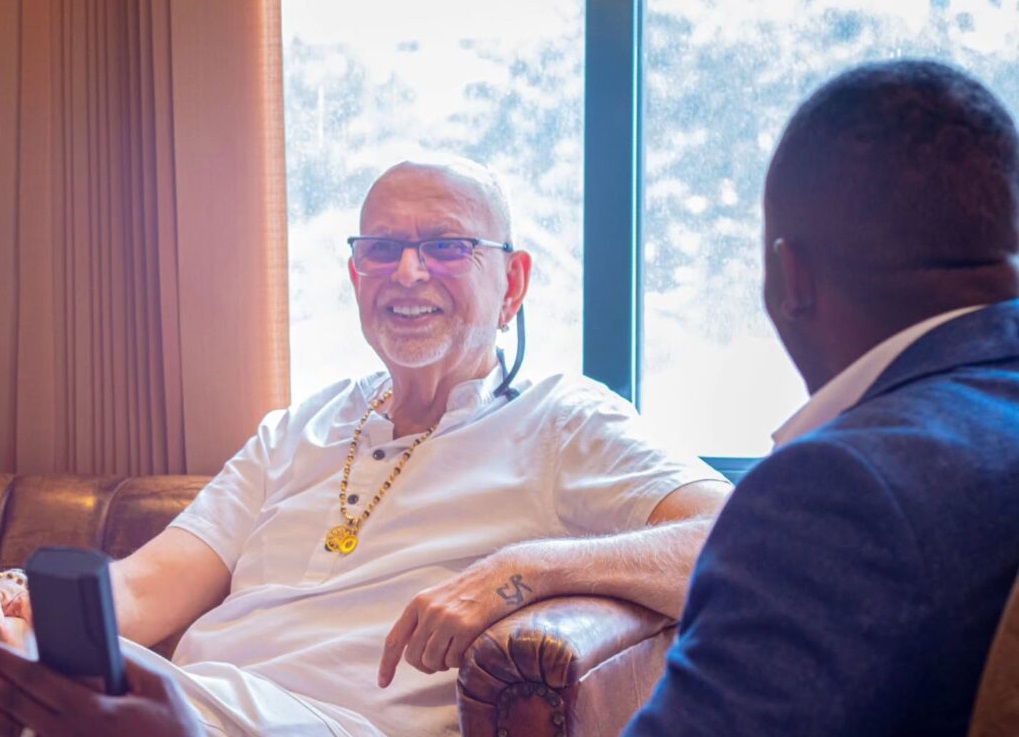
“It was an awful moment for the Asian community,” he once recalled. “You couldn’t predict what would happen the next day.”
His parents fled to the United Kingdom. He stayed behind until the danger became too great. When he finally joined them in London, his new life was anything but glamorous.
He worked in factories, cleaning molten wax from test tubes, sleeping in cramped quarters, and saving every pound he could. “It was the most sickening job in the entire factory,” he later said. “No protection, unbearable heat. But it taught me discipline.”
The Return: Rebuilding From the Rubble
By 1985, he had saved $25,000 (about UGX 90 million), enough to return home to a Uganda emerging from dictatorship. What others saw as chaos, Sudhir saw as possibility. He began with a small import business dealing in beer, salt, and wine.
Then, as the economy liberalized, he opened Crane Forex Bureau, Uganda’s first licensed bureau, and later Crane Bank in 1995, founded with $1 million in capital. Within a decade, Crane Bank grew into Uganda’s second-largest private bank, symbolizing the rise of local enterprise in a market long dominated by foreign players.

Although the Bank of Uganda later took over Crane Bank in 2016, citing capitalization issues, Sudhir fought back through years of litigation.
The Landlord of Kampala
Beyond banking, Sudhir’s influence reshaped Uganda’s urban landscape. His Ruparelia Group, a sprawling conglomerate of more than 200 companies, dominates Kampala’s skyline.
His portfolio includes Speke Resort Munyonyo, Kabira Country Club, Victoria University, Kampala Parents’ School, Sanyu FM, and Premier Roses, Uganda’s largest flower exporter.
It’s a network that doesn’t just shape the capital’s skyline but anchors Uganda’s middle class, earning him the title “The Landlord of Kampala.”
The Loss That Changed Everything
In May 2025, tragedy struck when Sudhir’s only son and heir, Rajiv Ruparelia, died in a car accident in Kampala at just 35 years old.
Rajiv, a graduate of Financial Management from Regent’s College London and Managing Director of the Ruparelia Group, was widely seen as the future of the empire, energetic, modern, and philanthropic.

The loss stunned the nation. For Sudhir and his wife Jyotsna, it was a heartbreak that no wealth could mend.
“Rajiv Ruparelia, beloved son of Jyotsna and me, proud father to Inara, cherished brother to Meera and Sheena, has left us all too soon,” Sudhir said at the memorial. “As a father, I carry the unbearable loss with immense pride of having raised a son like Rajiv.”
Turning Grief Into Legacy
In the months that followed, Sudhir and Jyotsna turned grief into action. They renamed the newly built Pearl Tower One along Yusuf Lule Road in Kampala to RR Pearl Tower One, a memoir of their beloved son, who was the brain behind the construction of the multi-storeyed building.
And just last week, during Victoria University’s 9th Graduation Ceremony, they launched the Rajiv Ruparelia Bursary, a scholarship initiative offering 100 fully funded postgraduate scholarships to outstanding students. “Rajiv touched so many lives through his generosity and vision,” Sudhir said. “This is our way of keeping his legacy alive.”
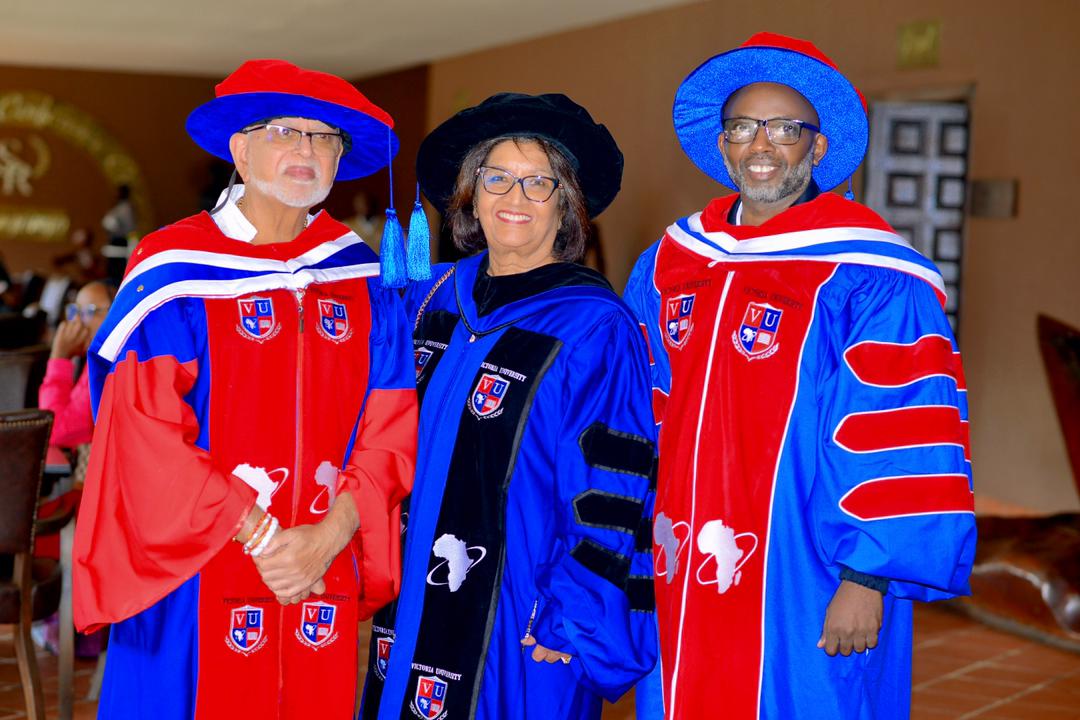
Jyotsna added that the scholarships were not just a memorial, but a mission: “Rajiv believed every young person deserves a chance to succeed. These scholarships will continue his dream.”
Legacy and the African Dream
Behind the wealth, Sudhir’s story embodies the paradox of the African Dream, a journey shaped not by privilege but by reinvention. He once described Africa as “a place where fences take root.” In its uncertainty, he found freedom, the freedom to build, rebuild, and begin again.
Today, from the glittering RR Pearl Tower to the serene gardens of Speke Resort, his legacy stands as proof that exile need not end in loss, and that even the deepest grief can plant new seeds of purpose.
In the heart of Kampala, his skyline glimmers not just with capital, but with memory of a son, a family, and a nation rebuilt from nothing.
If you would like your article/opinion to be published on Uganda’s most authoritative news platform, send your submission on: [email protected]. You can also follow DailyExpress on WhatsApp and on Twitter (X) for realtime updates.