
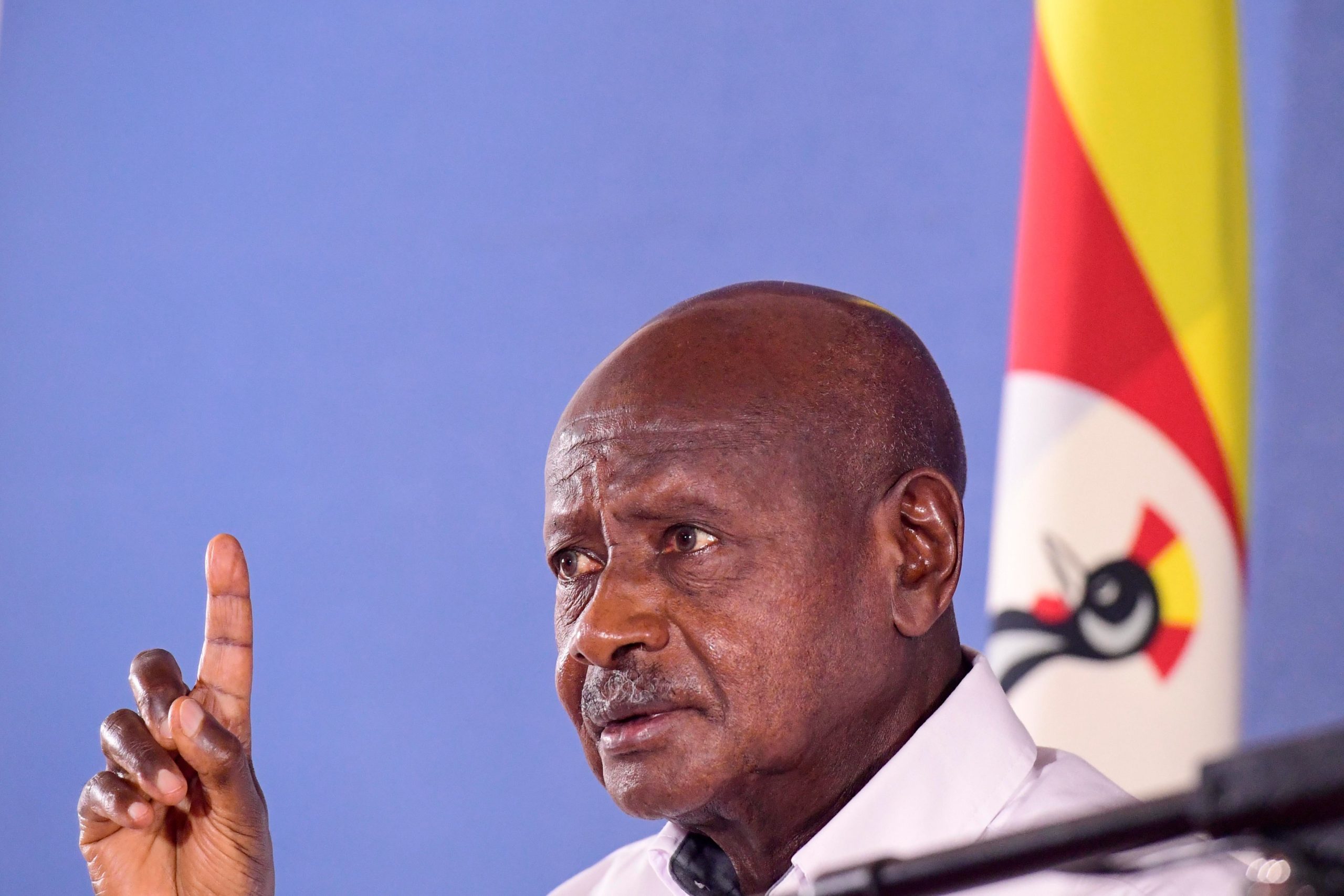
Kampala, Uganda: President Yoweri Kaguta Museveni has utterly disowned the controversial Protection of Sovereignty Bill, distancing himself from claims that the proposed law seeks to restrict foreign investment, remittances, and church funding.
In a letter addressed to Ugandans on Thursday, April 30, Mr Museveni dismissed widespread concerns surrounding the Bill, describing them as “noise” and insisting that the version being debated publicly is not the one he initiated.
“Of recent, I have noticed a lot of orwaari (noise)… regarding the Sovereignty Bill. Which Sovereignty Bill is the orwaari about? The one I initiated in the Cabinet or another one? The Bill will stop FDIs, support for religious bodies from abroad, remittances from Ugandans working abroad… Really!! That is not the Bill I initiated,” Museveni wrote.
The President emphasised that the core objective of the Bill is to safeguard Uganda’s independence in decision-making, not to interfere with economic freedoms. “The Bill I initiated was about what we fought for… Sovereignty in policy decision-making,” he stated.

Museveni explained that sovereignty should protect Uganda’s ability to make independent choices across political, economic, and social issues without external influence.
“Sovereignty means: ‘Please, muteleke (leave us alone), so that we make our own decisions.’ Do not fund groups to influence our decisions as a country,” he added.
No Restrictions on Capital Flows, Remittances
In a direct response to public fears, Museveni clarified that Uganda’s economic model remains open and liberal. “None of them says: do not send to Uganda or take out of Uganda money… do not send church donations… do not receive or send remittances. We run a free economy,” he noted.
He further stressed that free movement of capital is central to Uganda’s economic stability. “The NRM cannot countenance interference with the freedom of movement of capital… that is our main instrument for growth and socio-economic transformation,” Museveni said.
“I have talked to Hon. Hamson Obua and the Chairpersons of the relevant Parliamentary Committees to make the Bill concentrate on sovereignty of policy decision-making and not… private money transfers or church donations,” he added.
According to Museveni, the Bill is intended to, among others, prevent foreign actors from influencing Uganda’s political and policy decisions, safeguard national independence in governance and reinforce constitutional sovereignty exercised through elections and referenda.

Whereas public backlash against the bill appeared to stem from broad definitions of “foreign influence”, ambiguity in how funding and partnerships could be regulated and fears of targeting civil society and diaspora contributions, Museveni’s statement suggests these concerns may be tied to drafting gaps or alternative interpretations rather than the original intent.
Historical Context
Museveni further framed the Bill within Africa’s historical struggle against colonialism and external control, saying, “It is that Sovereignty that we were fighting for… A whole century spent on that effort for survival as free people.” “Policy and ideological decisions can make or break countries,” Museveni added.
The President’s directive signals possible amendments before the Bill progresses further in Parliament.
The next phase is expected to focus on refining definitions within the Bill, addressing public concerns and aligning provisions with Uganda’s economic model. The current legislative term is expected to end in less than 12 days before the new term begins on May 12, 2026.
The Protection of Sovereignty Bill, 2026 (Bill No. 13 of 2026) introduced to Parliament on April 15, 2026, claims its goal is to safeguard Uganda’s national interests and self-governance by regulating foreign influence and funding.
If you would like your article/opinion to be published on Uganda’s most authoritative news platform, send your submission on: [email protected]. You can also follow DailyExpress on WhatsApp and on Twitter (X) for realtime updates.