
Gulu, Uganda: Only 20 per cent of Uganda’s secondary schools currently meet the minimum requirements necessary to effectively support digital learning, according to a new Information and Communication Technology (ICT) Readiness Assessment released by UNICEF.
The assessment, which covered more than 3,200 secondary schools across the country, reveals significant gaps in electricity access, internet connectivity, digital devices and ICT-trained personnel, particularly in rural communities and the Northern and Eastern regions of Uganda.
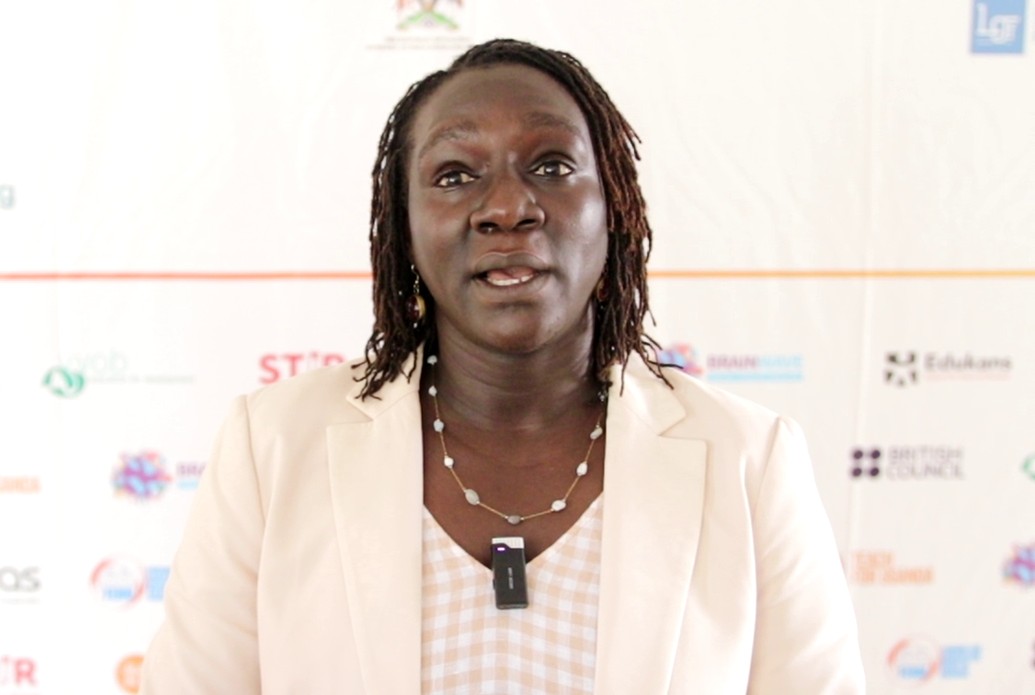
The report, funded by the MasterCard Foundation and the Luigi Giussani Foundation, was presented by UNICEF Education Officer Janet Ako during the dissemination of the findings.
According to the assessment, only one in every five secondary schools can be classified as “plugged,” meaning they have reliable electricity, stable internet connectivity, adequate digital devices and the infrastructure required to support effective technology-based learning.
The report further found that 41 percent of schools are “semi-plugged,” possessing some ICT infrastructure but facing significant limitations such as unreliable electricity, insufficient computers for learners, or unstable internet services.
An additional 39 percent of schools were classified as “unplugged,” lacking access to electricity, internet connectivity, digital devices and qualified personnel to facilitate ICT learning.
The findings highlight significant inequalities in digital access across Uganda’s education sector, with Northern and Eastern Uganda emerging as the most disadvantaged regions. Learners in these areas continue to face limited opportunities to acquire digital skills compared to their counterparts in better-equipped schools.
Presenting the report, Janet Ako said the assessment provides critical evidence that will guide implementation of the Leaders in Teaching Programme, a long-term initiative aimed at strengthening digital learning across Uganda.

The programme, implemented in partnership with the Ministry of ICT and National Guidance, will run until 2031 and support ICT integration in 2,091 secondary schools, ten universities and five teacher training institutions nationwide.
Reacting to the findings, Robert Magemso of the Uganda National Institute for Teacher Education (UNITE) described the report as both concerning and informative.
He called on government to prioritise electricity and internet connectivity in schools, noting that digital learning cannot succeed without reliable infrastructure.
Magemso added that UNITE is investing heavily in ICT training for teachers to ensure graduates leaving teacher training institutions possess the skills necessary to integrate technology into classroom teaching.
In Northern Uganda, education leaders expressed concern over the report’s findings, saying they accurately reflect the challenges schools continue to face.
Gulu City Senior Education Officer Proscovia Aber said schools in Northern Uganda remain significantly disadvantaged in terms of ICT readiness.
She noted that limited internet connectivity is forcing many learners to seek access outside school premises, often at considerable personal cost.
Aber called upon government and development partners to formulate targeted interventions that can accelerate ICT integration and bridge the digital divide affecting disadvantaged regions.
Officials from the Ministry of Education and Sports acknowledged the challenges highlighted in the report but pointed to progress made over the past decade.

Speaking during the dissemination event, Ministry representative Abubaker Bbuye said government, working with development partners, has significantly improved ICT infrastructure in schools.
Despite these gains, Bbuye acknowledged that access to reliable electricity remains one of the biggest barriers to effective ICT integration.
He revealed that the Ministry of Education is working closely with the Ministry of Energy to expand sustainable energy solutions, particularly solar power systems, to schools that remain underserved by the national electricity grid.
Bbuye also disclosed that government has so far trained 6,543 teachers in ICT skills to strengthen digital learning across the country.
However, he expressed concern that many trained ICT teachers often leave schools for better-paying opportunities elsewhere, leaving institutions without the personnel needed to support technology-based learning.
The report concludes that while Uganda has made notable progress in expanding access to digital technologies in education, substantial gaps remain in infrastructure, connectivity, device access and teacher capacity.
Among its recommendations, the assessment calls for the establishment of national minimum standards for electricity reliability and internet connectivity in schools, reforms in device allocation based on learner-to-device ratios, and greater investment in underserved institutions.
The report also recommends stronger coordination among development partners, harmonisation of e-learning platforms, curriculum alignment, improved accessibility features and greater incorporation of local-language content.
As Uganda advances its digital transformation agenda, education stakeholders say addressing these challenges will be critical to ensuring that every learner, regardless of location, has an equal opportunity to participate in the digital future.
If you would like your article/opinion to be published on Uganda’s most authoritative news platform, send your submission on: [email protected]. You can also follow DailyExpress on WhatsApp and on Twitter (X) for realtime updates.