
NWOYA, Uganda: Thousands of farmers in Nwoya District could soon benefit from a growing market for cassava and maize following increased demand for ethanol used in Uganda’s fuel blending programme, a development expected to boost household incomes, create jobs, and accelerate commercial agriculture in the district.
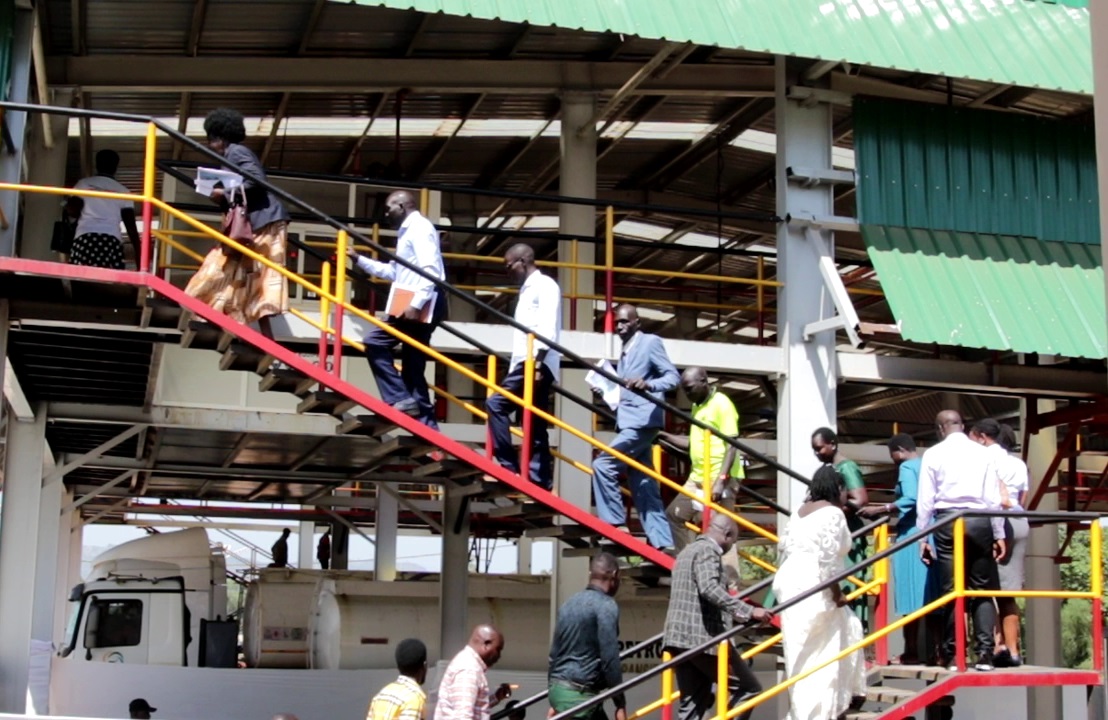
The opportunity emerged during a visit by Nwoya district leaders and selected farmers to the Bukona Blending Facility in Malaba, where Bukona Agro-Processors Managing Director Pravin Kekhal assured farmers of a ready market for their produce.
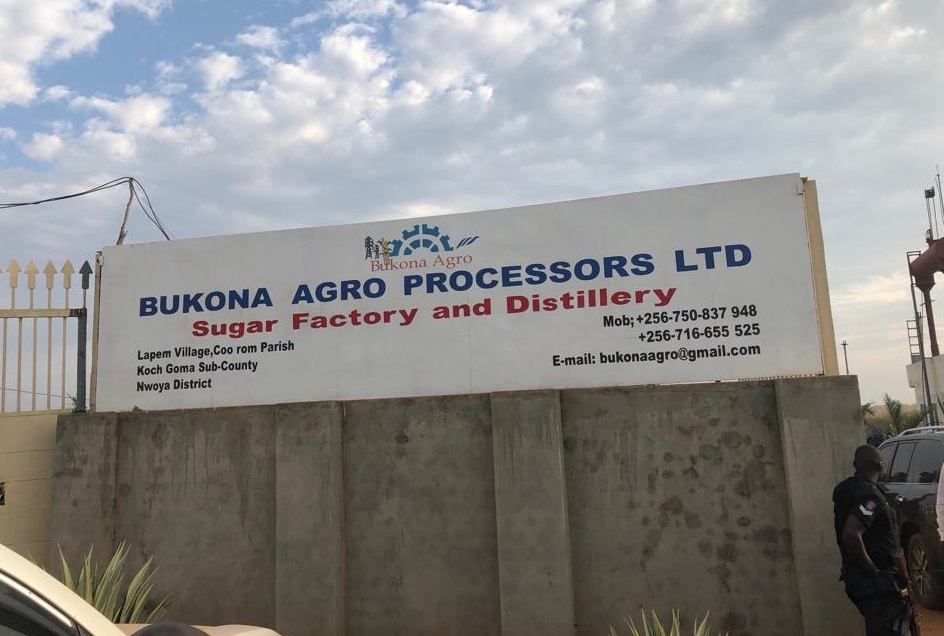
Kekhal explained that the Malaba facility relies on ethanol produced at Bukona Agro-Processors’ factory in Nwoya District, making local farmers critical suppliers in the value chain.
According to him, the company currently faces a shortage of raw materials despite growing demand for ethanol across the country. “The demand is already there, but we do not have enough cassava and maize to produce sufficient ethanol. We are ready to buy as much as farmers can produce,” Kekhal said.

The Bukona boss revealed that although government policy allows blending petrol with up to five percent ethanol, the company is currently blending only one percent due to inadequate supplies of cassava and maize used in ethanol production.
The situation presents a significant opportunity for farmers in Nwoya, a district where agriculture remains the backbone of the local economy.
Since commencing operations in February this year, the Malaba blending facility has already blended more than 190 million litres of petrol, highlighting the growing demand for ethanol and the potential market awaiting farmers who increase production.
New Agricultural Opportunities
Uganda has been promoting ethanol blending as part of efforts to reduce fuel imports, support local industries, and create value chains that directly benefit farmers.

The Ministry of Energy has licensed multiple ethanol blending facilities across the country, creating sustained demand for agricultural products used in ethanol production.
Speaking during the engagement, Muyunja Hatimu from the Ministry of Energy revealed that government has so far licensed 13 companies to operate ethanol blending facilities at various border points nationwide.
He said the government intends to gradually increase the percentage of ethanol blended into petrol but remains constrained by limited ethanol production arising from shortages of raw materials.
“The demand for ethanol continues to grow, but production remains limited because there is not enough cassava and maize being supplied. Farmers should take advantage of this opportunity,” Hatimu said.
Industry experts note that increased ethanol production could significantly expand markets for farmers while contributing to Uganda’s industrialisation agenda and energy security objectives.
Nwoya District remains one of Northern Uganda’s leading agricultural districts, with fertile soils and favourable climatic conditions supporting large-scale production of crops including maize, cassava, rice and oilseeds.
According to district officials, agriculture supports nearly the entire local economy. “Nearly 98 percent of the people in Nwoya derive their livelihood from agriculture. As a district, we have been looking for sustainable markets for our farmers, and this partnership offers exactly that,” said Nwoya District Commercial Officer Godfrey Odoki.
Odoki said the district leadership plans to establish a structured market linkage system connecting farmers directly to the factory to ensure consistency in supply and market access.
He however urged Bukona Agro-Processors to maintain fair and competitive pricing to encourage greater farmer participation. “We need prices that motivate farmers to increase production because that is what will sustain the supply chain,” he noted.
District records indicate that more than 10,000 farmers could potentially benefit from the growing demand if production levels are scaled up.

Embrace Commercial Production
Nwoya District Chairperson Okello Patrick Oryema challenged both political and technical leaders to lead by example by actively engaging in commercial agriculture.
He pledged to personally invest in cassava and maize production, arguing that leaders must demonstrate confidence in the enterprises they promote. “We cannot encourage our people to farm if we are not doing it ourselves,” Oryema said.
The district leaders pledged to become ambassadors of the initiative by mobilising communities to embrace cassava and maize farming as commercial enterprises rather than subsistence activities.
The leaders expressed optimism that increased production could transform household incomes and strengthen the district’s economic base.

The Uganda Development Corporation (UDC), government’s investment arm, says its partnership with Bukona Agro-Processors was driven by the project’s potential to stimulate industrialisation, create jobs and support local farmers.
Mirriam Bwengye of UDC said the investment demonstrates how agriculture and manufacturing can work together to drive economic transformation. “This initiative creates opportunities across the entire value chain, from farmers and transporters to processors and fuel distributors,” she said.
She encouraged farmers to take advantage of the emerging opportunities while urging district leaders to intensify mobilisation and extension services.
The growing ethanol industry is increasingly being viewed as a strategic opportunity for Uganda’s agricultural sector, particularly in regions such as Northern Uganda where farming remains the primary source of livelihood.
With demand for ethanol expected to rise as government expands fuel blending programmes, farmers who invest in cassava and maize production stand to benefit from a reliable and growing market.
For Nwoya’s farming communities, the assurance of a ready buyer may provide the confidence needed to scale up production, increase household incomes and accelerate the transition from subsistence farming to commercial agriculture.
As the district mobilises farmers and investors continue expanding processing capacity, local leaders believe the ethanol value chain could become one of the key drivers of economic transformation in Nwoya and the wider Acholi Sub-region.
If you would like your article/opinion to be published on Uganda’s most authoritative news platform, send your submission on: [email protected]. You can also follow DailyExpress on WhatsApp and on Twitter (X) for realtime updates.