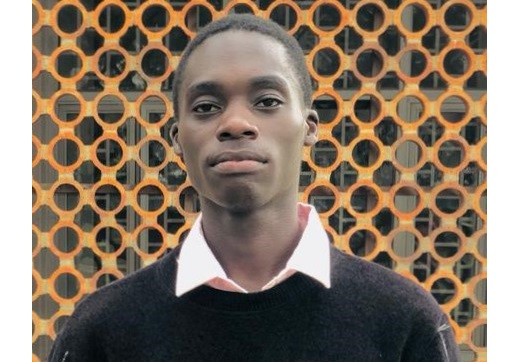
By Juungu Archelaus
As universities across the country release their admission lists, anxious applicants find themselves gripped by anticipation, praying to see their names. For most young people, joining the university marks their very first step into adulthood. It is a defining moment defined by managing newfound independence, adjusting to unfamiliar learning environments, handling increased responsibilities, and meeting high expectations from both home and society.
Additionally, the burden of rising tuition fees and skyrocketing housing costs adds a heavy financial strain. This financial pressure directly amplifies student stress, deepening the emotional and psychological challenges they face. It is important to note that the mental wellness of a student is not just tied to academic performance but university retention rates, future employability etc.

Social media, while highly useful for networking and learning, unfortunately exposes students to cyberbullying, a toxic comparison culture, and pressure to maintain a perfect online image. This digital strain often results in anxiety, depression, burnout, substance abuse, and in severe cases, self-harm.
While a university is an institution where students are rightfully considered mature enough to handle their own personal responsibilities ranging from social groups and hangouts to academic performance and personal growth, many continue to suffer in silence. A lack of information and a deep fear of judgment often prevent struggling freshers from seeking help.
This reality demonstrates the vital significance of peer support systems; Student guilds, clubs, and associations play a crucial role by promoting health awareness campaigns and creating safe spaces for sharing experiences and learning from one another. For instance, at Mbarara University (MUST), programs like the MUST Peer Project (MPP) actively enable students to learn from and support their fellow peers.
Physical safety on our roads is another non-negotiable priority. A common but dangerous habit is overloading boda-bodas often riding three or four people on a single motorcycle in a bid to minimize daily expenditures. While this practice may look cheap, simple, and convenient, it puts the lives of university freshers at extreme risk. We do not have to look far to see the devastating costs of road recklessness; the campus communities have previously mourned the tragic losses of students who died during chaotic campaign rallies, on boda bodas or in any other form while others critically injured.

Given the current threatening state of our road safety characterized by blantant lawlesness, over speeding, narrow roads, severe traffic congestion, and total disregard for road markings like zebra crossings, collective participation is urgently required to curb the reckless actions that fuel road accidents. Choosing safe transport options should be embraced by every student, especially since campus schedules will frequently be marked by commotion in a rush to beat deadlines and attend lectures.
Finally, whether you are traveling short or long distances using any vehicle, please take maximum caution. Always remember that your parents’ greatest expectations and wishes are for you to arrive and stay safely at your respective campuses. Enjoy this new chapter, but protect your life and your future.
The writer is a student at Mbarara University of Science and Technology (MUST).
If you would like your article/opinion to be published on Uganda’s most authoritative news platform, send your submission on: [email protected]. You can also follow DailyExpress on WhatsApp and on Twitter (X) for realtime updates.