
Gulu, Uganda: The government has revived the long-delayed Shs446 billion Unyama Irrigation Scheme, marking a renewed push to transform commercial agriculture, strengthen climate resilience and improve water and sanitation services across Northern Uganda.
The Ministry of Water and Environment said the project forms part of a broader strategy to expand water for production while ensuring local communities and district leaders play a central role in planning and implementation.
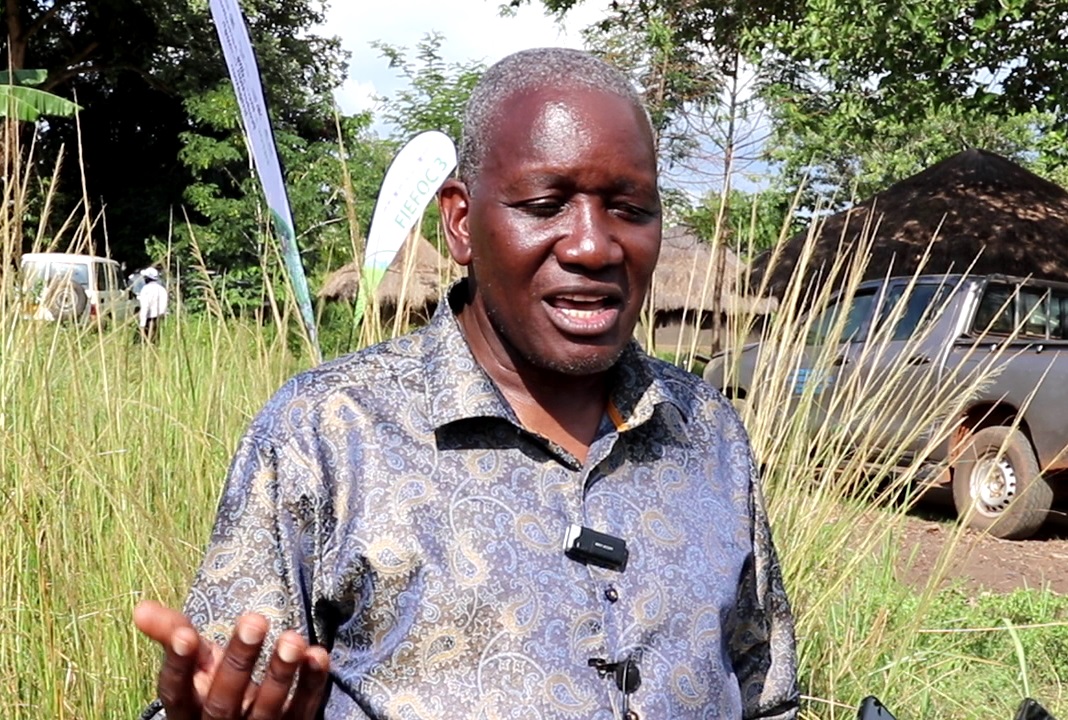
Speaking during an engagement with leaders from the Acholi sub-region, the Ministry’s Permanent Secretary, Alfred Okot Okidi, said lessons from previous government projects had prompted a shift toward a more participatory approach that prioritises community ownership.
“We want communities to understand the purpose of these projects before implementation begins. Government can provide infrastructure, but ownership by the people is what guarantees sustainability,” Okidi said.
He noted that earlier water infrastructure projects were delayed by misinformation, inadequate community engagement and limited beneficiary participation, challenges the ministry is now seeking to address through extensive consultations and sensitisation.
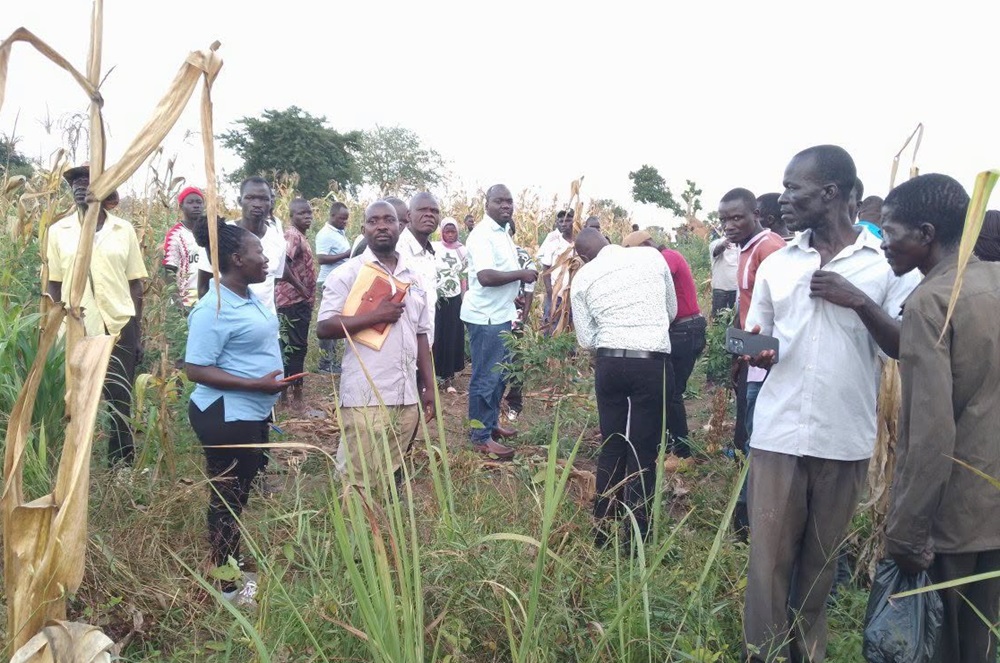
The flagship Unyama Irrigation Scheme is expected to be implemented over two years, covering approximately 1,750 acres across Patiko Sub-county in Gulu District and Opara and Pabbo sub-counties in Amuru District.

Once completed, the scheme is expected to provide farmers with a reliable year-round water supply, enabling continuous crop production, reducing dependence on seasonal rainfall and helping communities adapt to the effects of climate change.
The project was originally scheduled to begin in 2017 but stalled following compensation disputes involving 105 Project Affected Persons (PAPs) and community concerns that it could lead to government land acquisition.
Officials said sustained community dialogue, public sensitisation campaigns and exposure visits to successful irrigation schemes elsewhere in Uganda have since helped build confidence and support for the project.
Leaders welcome project revival
Gulu District Secretary for Production and Marketing, Bollington Pa’Ongwech, described the irrigation scheme as a transformative investment that will accelerate the district’s transition from subsistence farming to commercial agriculture.
He pledged the district’s support in ensuring transparent compensation for affected persons while mobilising farmers to maximise the opportunities created by the project.
Agriculture remains the primary source of livelihood for most households in Northern Uganda, but prolonged droughts and increasingly erratic rainfall have continued to undermine productivity, making irrigation a critical investment for the region’s economic transformation.
Beyond irrigation, district leaders raised concerns over sanitation infrastructure, particularly the absence of fecal sludge treatment facilities.

Amuru Resident District Commissioner Geoffrey Osborn Ocheing said the district continues to struggle with fecal sludge management, posing growing public health risks in urban centres, schools and public institutions.
In response, Okidi said the ministry has incorporated fecal sludge management into its future investment plans to improve sanitation services in rapidly growing urban areas.
Pader District Water Officer Patrick Olanya appealed to the ministry to update its water coverage database, arguing that outdated statistics are denying the district equitable funding.
According to Olanya, ministry records dating back to the Internally Displaced Persons (IDP) camp era indicate that Pader has more than 90 percent piped water coverage.
He said the district’s actual piped water coverage currently stands at only 31 percent, leaving thousands of households without reliable access to safe water.
Olanya warned that unless the data is revised to reflect the current situation, Pader risks continuing to receive inadequate funding despite significant water access gaps.
As government prepares to roll out new investments in irrigation, water supply and sanitation, stakeholders emphasised that sustained collaboration between communities, local governments and central government will be key to ensuring the projects improve agricultural productivity, household incomes and public health across Northern Uganda.
If you would like your article/opinion to be published on Uganda’s most authoritative news platform, send your submission on: [email protected]. You can also follow DailyExpress on WhatsApp and on Twitter (X) for realtime updates.