
Gulu City, Uganda: The government’s Shs80 billion cattle restocking programme for the Acholi, Lango and Teso sub-regions has come under scrutiny after a parliamentary oversight engagement in Gulu uncovered allegations of favouritism, bribery and manipulation of beneficiary lists.
The concerns emerged during a meeting between the Parliamentary Committee on Presidential Affairs and political leaders, chief administrative officers and technical teams from the Acholi sub-region at Gulu City Council Chambers.
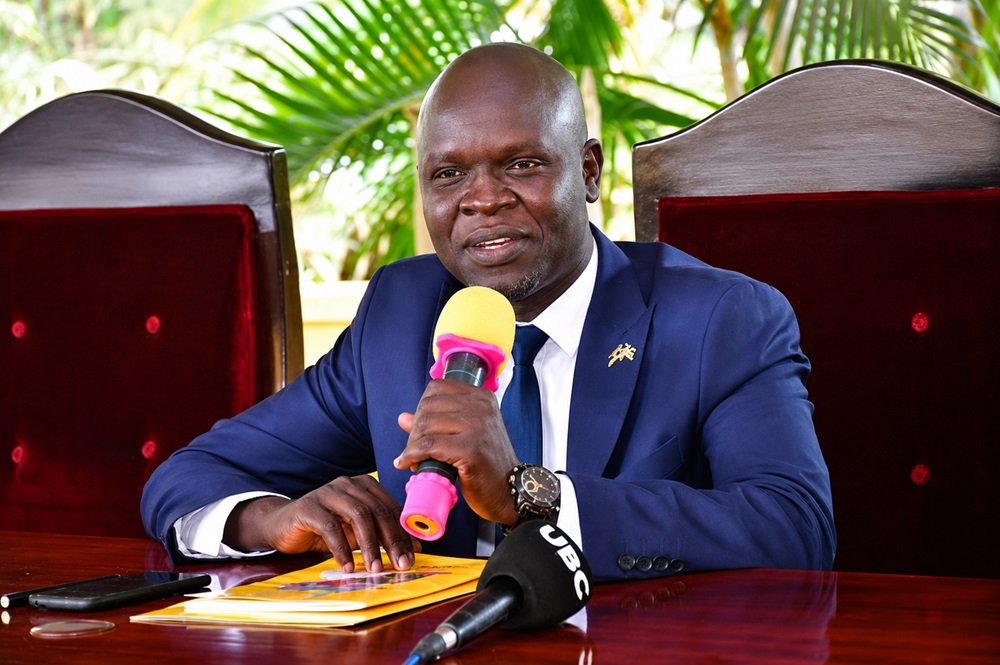
The committee, chaired by Bardege-Layibi Division MP Martin Ojara Mapenduzi, heard allegations that some local government officials influenced the selection of beneficiaries to favour themselves, relatives and associates, sidelining vulnerable households targeted under the programme.
The restocking initiative was introduced to rebuild household wealth in communities whose livestock was depleted by years of insurgency, displacement and cattle rustling.
Under the programme, each selected household is expected to receive Shs5 million, equivalent to the value of five animals. Government allocated Shs80 billion for the 2025/26 financial year, targeting 16,000 households across 33 local governments in Acholi, Lango and Teso, and has earmarked another Shs100 billion for the 2026/27 financial year.
However, the committee heard that the implementation process in some areas had been compromised.
In Gulu City, some intended beneficiaries, including elderly persons, former LRA abductees and returnees, widows, single mothers, persons living with disabilities and other vulnerable groups, were reportedly left out as names of officials and their relatives allegedly appeared on beneficiary lists.
Gulu City received an allocation of Shs3.332 billion to benefit 667 households, although only 640 beneficiaries had received the funds at the time of the parliamentary engagement.
The committee heard allegations that some town agents failed to follow guidelines requiring communities to participate in identifying beneficiaries, leaving the process largely in the hands of LC1 leaders.
Some LC1 leaders were accused of allegedly inserting their own names, as well as those of relatives and spouses, on the beneficiary lists.
Mapenduzi warned that such practices could undermine the credibility of a programme intended to rebuild the economic base of communities that lost livestock during conflict.

He said leaders should prioritise the people they serve instead of using government programmes for personal benefit.
Dodoth East MP Peter Pex Paak, who was also part of the engagement, criticised the alleged practice of leaders prioritising themselves and their associates over vulnerable citizens.
He warned that failure to address the concerns could create a dangerous precedent for other government interventions.
The committee also heard specific allegations involving officials in Gulu District.
GISO Onen Dickson Opwonya of Owor Sub-county was accused of allegedly influencing the transfer of his brother from Pugwinyi to Pabwo, where the brother later benefited after replacing a person whose name had initially been selected.
The brother of an LC3 chairperson was also allegedly included on the beneficiary list.
There were further allegations that some GISOs demanded money from members of the public in exchange for inclusion in the programme.
The committee called for scrutiny of the roles played by GISOs, Community Development Officers and district restocking focal persons in the beneficiary selection process.
It also called for investigations into cases involving Okoko Anthony, Ojera Alex and Ocan Jolly Joe, who were accused of benefiting after their names were allegedly inserted irregularly. The committee recommended that any funds found to have been improperly received be recovered.
Questions were also raised over the registration of the wife of a parish chief as a widow.
The latest concerns come months after authorities in Gulu City withdrew restocking forms following the discovery of flaws in the registration process, including cases where beneficiaries appeared to have signed documents acknowledging receipt of Shs5 million before the money had actually been paid.
The Office of the Prime Minister has since warned implementing officials against requiring beneficiaries to sign declarations confirming receipt of funds before payment.
Gulu City Mayor Julius Acire Labeja acknowledged shortcomings in the implementation of the programme and said laxity by some officials must be addressed.

Gulu City Resident City Commissioner Ambrose Ononario said the controversy had exposed serious accountability concerns among local leaders.
He said while northern Uganda had often accused the government of neglecting the region, the latest revelations showed that local leadership could also frustrate programmes intended to support communities.
Meanwhile, Gulu District restocking focal person Alfred Opio told the committee that 329 beneficiaries had been approved in the district, with 320 already paid.
He attributed the outstanding payments mainly to mismatches in beneficiaries’ telephone details and said the affected individuals would receive their money after the errors were corrected.
Opio said the district had achieved a 97.3 percent payment rate but acknowledged challenges including inadequate administrative resources, poor internet connectivity during registration and documentation, and difficulties coordinating the movement of improved cattle breeds.
He also raised concerns that some beneficiaries wanted to use the money to acquire animals other than cattle or meet immediate household needs.
The programme has already moved beyond its initial disbursement stage, with government reporting that thousands of households across the three sub-regions have received funds.
But the scale of the intervention remains relatively small compared to the number of households in the targeted regions.
The first phase targets 16,000 households against an estimated 1.6 million households across Acholi, Lango and Teso, while Acholi alone has an estimated 347,822 households, according to the 2024 census profile.
Mapenduzi said the programme had not performed poorly everywhere, pointing to Amuru District as one of the areas that had registered relatively better progress.
Gulu District LCV Chairperson Obol Simpleman urged communities to treat the programme as an opportunity to rebuild household wealth rather than another political promise.
He said the first phase had faced challenges but expressed optimism that future phases could improve if lessons from the current implementation are addressed.
As government prepares to inject another Shs100 billion into the programme, Parliament is demanding stronger safeguards to prevent political patronage, manipulation of beneficiary lists and misuse of funds.
The challenge, lawmakers said, is not only ensuring that money is released, but making sure it reaches the households the cattle restocking programme was established to rebuild.
If you would like your article/opinion to be published on Uganda’s most authoritative news platform, send your submission on: [email protected]. You can also follow DailyExpress on WhatsApp and on Twitter (X) for realtime updates.