By Arinda Marvin
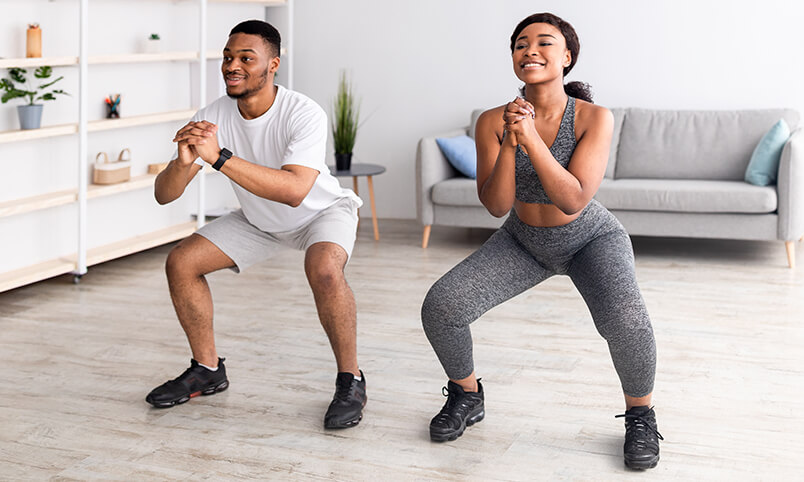
We have become a nation of people who know exercise is important but still spend much of the day sitting. For many people, the word exercise immediately brings to mind weight loss, gyms, six-packs, athletes and body shape. Nevertheless, exercise is much bigger than appearance.
It is about whether we can climb stairs without struggling, carry our children, play with friends, recover after illness and remain independent as we grow older.
Movement is not a luxury. It is part of healthcare.
Uganda, like many countries, is facing a growing burden of non-communicable diseases. At the same time, modern lifestyles are making it easier to spend long periods sitting, at work, in classrooms, in traffic or at home with a phone.
The problem is not that we do not know exercise is important. The challenge is turning that knowledge into everyday behaviour.
Exercise is more than going to the gym
Walking, cycling, dancing, playing football, active recreation and purposeful exercise can all contribute to a more active lifestyle.
For adults, the World Health Organization recommends at least 150 minutes of moderate physical activity each week, or 75 minutes of vigorous activity, alongside muscle-strengthening activities on at least two days. (WHO, 2024)
For someone who is currently inactive, the starting point does not have to be dramatic. A short walk, taking the stairs, participating in community activities or adding regular movement breaks during the day can be a meaningful beginning. The goal is not perfection. The goal is consistency.
What about pain?
As a physiotherapist, I encounter another common belief: that pain automatically means we should stop moving.
While some injuries and medical conditions require rest or specific precautions, prolonged inactivity is not always the answer.
For many musculoskeletal conditions, appropriately prescribed movement and progressive exercise can be important parts of rehabilitation.
The key is individualisation, as an athlete, an older adult, a person recovering from an injury and someone living with a chronic condition may all require different exercise programmes.

This is where physiotherapists and other qualified professionals have an important role. We can assess an individual’s needs, identify limitations, select appropriate exercises and guide safe progression.
We should start talking about exercise as prevention
Exercise should not only be discussed when someone is already sick or injured. We should also see it as an investment in prevention.
Imagine a culture where children are encouraged to play, workers take regular movement breaks, communities have opportunities for physical activity, and older adults are supported to maintain strength, balance, and mobility. That is more than a fitness agenda; It is a public health agenda.
We need to move away from the idea that exercise is only for people who want to lose weight or change their appearance. Exercise supports physical function, cardiovascular health, strength, mobility and wellbeing across the lifespan. (WHO, 2024)
So perhaps the question should not simply be: “How much do I weigh?”
We should also ask: “How well can I move, and what am I doing today to protect my ability to move tomorrow?”
Uganda does not need everyone to become an athlete. We need more people to become regularly active. Because movement is not merely about looking fit. It is about living well, staying independent, and investing in our future health.
The author, Arinda Marvin, BSc Physiotherapy, is a Physiotherapist and Exercise Professional in Uganda.
If you would like your article/opinion to be published on Uganda’s most authoritative news platform, send your submission on: [email protected]. You can also follow DailyExpress on WhatsApp and on Twitter (X) for realtime updates.