
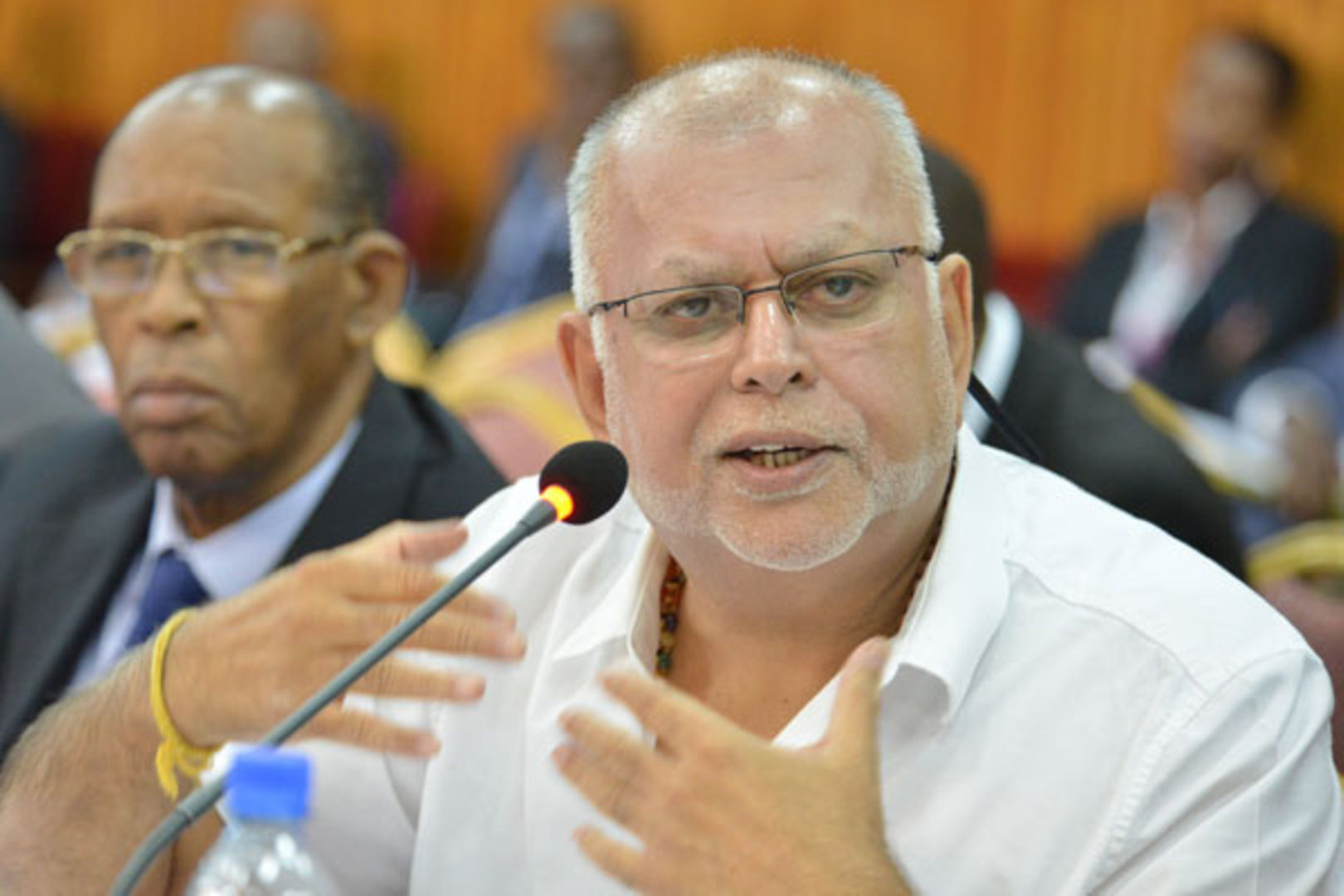
In Summary: Businessman Dr Sudhir Ruparelia and other former Crane Bank shareholders have pursued a compensation claim of approximately Shs 1 Trillion in the English High Court, challenging the circumstances under which the Bank of Uganda took over Crane Bank and transferred selected assets and liabilities to dfcu Bank in 2017.
Kampala, Uganda — Billionaire Businessman Dr Sudhir Ruparelia and other former shareholders of Crane Bank continue to pursue more than £200 million (approximately Shs1 trillion) in damages over the 2016 takeover of the bank by the Bank of Uganda and the subsequent transfer of selected assets and liabilities to dfcu Bank.
The dispute, which is before the English High Court in London, centres on whether the central bank lawfully handled Crane Bank’s intervention and whether the subsequent transfer of its assets and liabilities to dfcu was conducted fairly and at an appropriate value.
The claimants argue that the takeover and transfer were unlawful and that Crane Bank’s assets were transferred at an undervalue, causing substantial financial losses for which they are seeking compensation.
The defendants have denied wrongdoing, leaving the court to determine the competing claims and examine the evidence surrounding the bank’s resolution.
Crane Bank was placed under statutory management by the Bank of Uganda on October 20, 2016, after the regulator determined that the institution was significantly undercapitalised and posed risks to financial stability.
On January 24, 2017, the bank was placed under receivership, and the following day the Bank of Uganda agreed to transfer most of its assets and liabilities to dfcu Bank under a Purchase of Assets and Assumption of Liabilities Agreement. World Bank+1
The disputed £200 million claim
At the centre of the litigation is the claimants’ position that the manner in which Crane Bank was taken over and its assets transferred deprived the former shareholders of value.
The compensation sought is intended to address losses the claimants attribute to the disputed intervention and transaction. It is not an award already made by the court.
One of the issues raised in the dispute concerns an alleged arrangement involving a $27.5 million loan portfolio.
The claimants questioned the circumstances surrounding the transaction, including an internal email they considered suspicious. dfcu, however, maintained that the payment related to reimbursement for emergency financial support provided by the Bank of Uganda.
The court’s examination of the competing accounts forms part of a wider inquiry into the financial and regulatory decisions that shaped Crane Bank’s resolution.
Why the Bank of Uganda took over Crane Bank
The Bank of Uganda’s intervention was justified on regulatory and financial stability grounds. The late Bank of Uganda Governor Prof. Emmanuel Tumusiime-Mutebile previously explained that an assessment had revealed serious financial weaknesses at Crane Bank, including negative core capital estimated at approximately Shs240 billion.
The central bank maintained that the intervention was necessary to protect depositors and safeguard the stability of the financial system.
A World Bank assessment also documented Crane Bank’s significant undercapitalisation and a non-performing loan ratio of approximately 23 per cent at the time of the takeover. World Bank+1
However, the manner in which the intervention was conducted subsequently attracted scrutiny from Parliament and the Auditor General.
In 2019, Parliament’s Committee on Commissions, Statutory Authorities and State Enterprises (COSASE) examined the takeover and transfer, raising questions about the timing of the asset inventory, valuation and compliance with statutory procedures.
The committee observed that dfcu had been invited to bid for Crane Bank’s assets before the inventory report was completed, raising concerns about how the transaction’s value was established. ICGU
Separately, the Auditor General raised questions about approximately Shs478.8 billion in liquidity support provided during the intervention, including the documentation supporting the expenditure and payments for external services.
The Bank of Uganda maintained that the intervention was intended to protect the financial system and depositors, while cooperating with the subsequent audit and parliamentary scrutiny. Monitor+1

What the London court is examining
The proceedings involve Crane Bank Limited, Dr Sudhir Ruparelia, members of the Ruparelia family and other former shareholders as claimants.
The defendants include dfcu Bank, dfcu Limited and other parties connected to the transaction. While the legal teams include Greenberg Traurig for the claimants and Freshfields for dfcu, alongside other international law firms representing parties to the proceedings.
The litigation has generated several procedural rulings in 2026, including decisions by the English High Court in March concerning disclosure and proposed amendments to dfcu’s defence. Bailii+1
Court records also show that the proceedings remained active as of October 27, 2026, with additional written submissions, amended pleadings and court orders filed during October. Folio
The central questions remain whether the intervention and subsequent transfer were lawful, whether the assets were appropriately valued and whether the claimants can establish the losses for which they seek compensation.
The £200 million demand remains a claim rather than an established liability or court award. The defendants’ responses and the court’s eventual determination will establish the outcome of the dispute.
A banking dispute with lasting implications
Crane Bank was once among Uganda’s prominent privately owned commercial banks before the Bank of Uganda intervened in October 2016. Its subsequent transfer to dfcu became one of the country’s most consequential banking resolution exercises, attracting scrutiny from Parliament, auditors, financial sector stakeholders and the courts.
The London litigation has now extended that dispute into an international legal arena, bringing renewed attention to the regulatory decisions, financial assessments and transaction arrangements surrounding the bank’s collapse.
For Sudhir Ruparelia and the other claimants, the case represents an attempt to obtain compensation for losses they attribute to the takeover and transfer.
For the defendants, the proceedings provide an opportunity to defend the decisions and transactions challenged by the former shareholders.
The eventual determination will have implications for the parties involved and may provide further judicial examination of the circumstances surrounding one of Uganda’s most closely scrutinised banking interventions.
If you would like your article/opinion to be published on Uganda’s most authoritative news platform, send your submission on: [email protected]. You can also follow DailyExpress on WhatsApp and on Twitter (X) for realtime updates.