
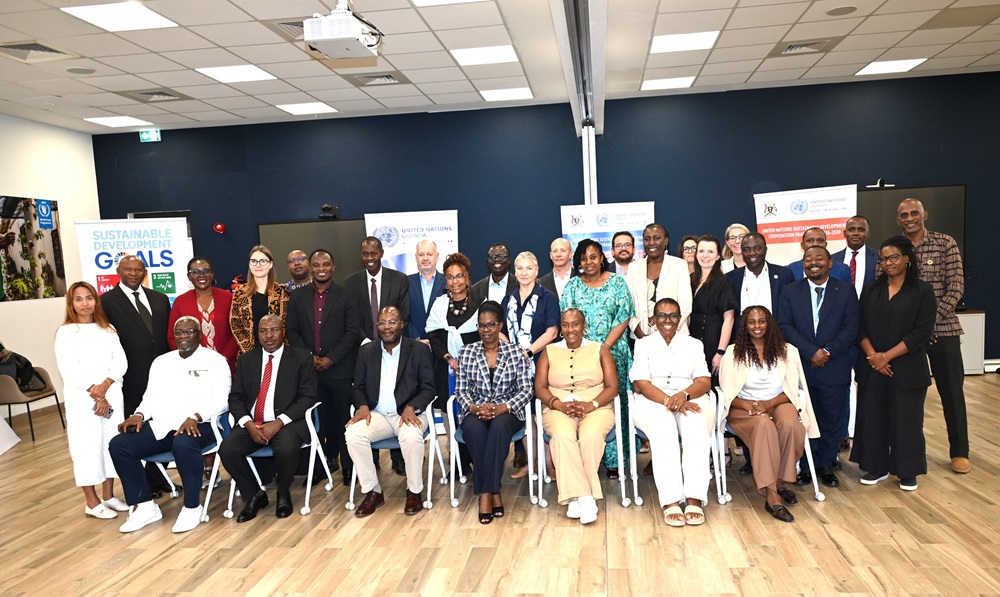
In Summary: Deputy Inspector General of Government Dr Patricia Achan Okiria has called for anti-corruption safeguards to be integrated into every stage of Uganda’s Fourth National Development Plan (NDP IV), warning that weak enforcement and delayed intervention could undermine public investments and service delivery.
Kampala, Uganda — The Deputy Inspector General of Government (DIGG), Dr Patricia Achan Okiria, has called for stronger anti-corruption measures in the implementation of Uganda’s Fourth National Development Plan (NDP IV), warning that failure to prevent corruption could undermine the country’s development ambitions and deny citizens the intended benefits of public spending.
Okiria said accountability safeguards must be built into government programmes from the planning stage through procurement, implementation and monitoring, rather than relying on investigations after irregularities have occurred and public resources may already have been lost.
She made the remarks during a panel discussion on public sector capabilities and coordination bottlenecks affecting the delivery of NDP IV, held on the sidelines of the United Nations Country Team retreat at the UNICEF Uganda office in Mbuya, Kampala.
The discussion, organised by the UN Resident Coordinator, focused on challenges affecting the ability of public institutions to coordinate their work and translate government development priorities into tangible results for citizens.
“Anti-corruption institutions are often engaged after irregularities have occurred, when public resources may already have been lost and development outcomes compromised,” Okiria said.
She urged government ministries, departments, agencies and local governments to enforce service delivery standards so that citizens know what services they are entitled to receive, the quality they should expect and the timelines within which services should be provided.
“Limited adoption and enforcement of service delivery standards across MDALGs leaves citizens uncertain about the services they should expect and makes it difficult to hold public officials accountable. It also contributes to inefficiencies, delays and poor service delivery,” she said.
Okiria said the Inspectorate of Government (IG) should be involved early in identifying corruption risks, while transparency, accountability and anti-corruption measures should be integrated throughout the entire project cycle.
Her recommendations include incorporating such safeguards into project design and appraisal, procurement, implementation and monitoring, reducing the risk that irregularities will go undetected until funds have been spent or development targets missed.
NDP IV’s development ambitions face implementation test
The call comes as Uganda implements NDP IV for the 2025/26 to 2029/30 period, the fourth in a series of six national development plans intended to accelerate the country’s socio-economic transformation.
Government adopted the plan as the first five-year phase of its broader Tenfold Growth Strategy, which seeks to expand the economy significantly over 15 years by doubling its size every five years. Its stated priorities include higher household incomes, greater monetisation of the economy, employment creation and sustainable industrialisation for inclusive growth and wealth creation.
The plan sets out national priorities across production and value addition, human capital development, private-sector growth, strategic infrastructure and stronger governance. Its implementation depends on public institutions translating budget allocations and development projects into measurable improvements in people’s lives.
The scale of the undertaking makes accountability a significant concern. The National Planning Authority’s plan estimates the total cost of NDP IV at approximately Shs593.6 trillion over five years, with government expected to contribute about Shs413.2 trillion, or 69.6 per cent, and the private sector about Shs180.4 trillion, or 30.4 per cent.
Okiria’s warning highlights the importance of ensuring that such resources are properly planned, procured, spent and monitored, particularly where public projects involve several institutions or multiple stages of implementation.

The Inspectorate of Government contributes to Objective Five of NDP IV, which focuses on strengthening good governance. Its role includes promoting accountability and addressing corruption risks that could prevent public investments from delivering their intended outcomes.
Accountability built into projects
Okiria said anti-corruption institutions should not be brought in only after suspected wrongdoing has occurred. Instead, their involvement should begin early enough to identify weaknesses in project design, procurement and implementation before they result in losses or poor service delivery.
She called for transparency, accountability and anti-corruption measures to be mainstreamed across the project cycle, supported by stronger coordination between institutions responsible for planning, implementation, oversight and monitoring.
The Deputy IGG also emphasised the need to enforce service delivery standards across ministries, departments, agencies and local governments.
Such standards help establish clear expectations for public services and give citizens a basis for assessing whether institutions are meeting their obligations. Without consistent enforcement, she warned, delays, inefficiencies and poor service delivery can persist while it remains difficult to hold responsible officials accountable.
The concerns raised during the panel discussion point to a broader implementation challenge: achieving development targets requires not only funding and policy commitments, but also institutions capable of managing resources transparently and delivering services efficiently.
Okiria said the Inspectorate of Government remained committed to protecting public resources and ensuring that government programmes translate into improved services for citizens.
If you would like your article/opinion to be published on Uganda’s most authoritative news platform, send your submission on: [email protected]. You can also follow DailyExpress on WhatsApp and on Twitter (X) for realtime updates.