

In Summary: The Electricity Regulatory Authority (ERA) has assured Ugandans that electricity supply should improve within six months following talks with ONC Manager Hajjat Hadijah Namyalo Uzeiye over persistent outages and delayed connections. The regulator cited transformer replacements, substation upgrades and efforts to clear the connection backlog, while Namyalo called for faster action and accountability from electricity sector agencies.
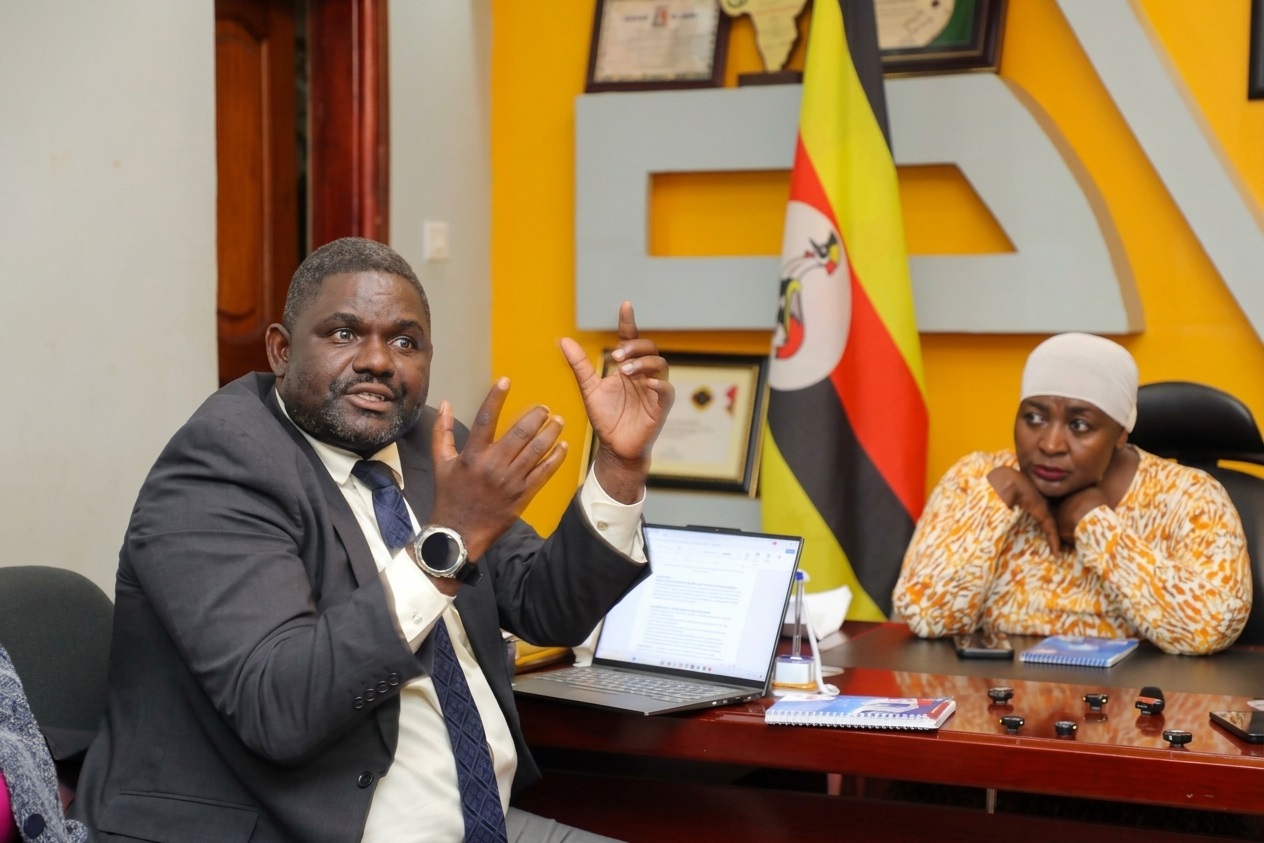
Kampala, Uganda — The Electricity Regulatory Authority (ERA) has assured Ugandans that electricity supply should begin improving within six months, following a meeting with the Manager of the Office of the National Chairman (ONC), SPA Hadijah Namyalo Uzeiye, over persistent power outages, delayed connections and concerns about the performance of Uganda Electricity Distribution Company Limited (UEDCL).
The assurance was given by an ERA delegation led by Ibrahim Kasita, the authority’s Principal Engagement Officer, during a Wednesday courtesy visit to Namyalo at the ONC offices in Kyambogo, Kampala.
The delegation also included Costa Nantume from ERA’s Consumer Affairs Department and sought to respond to concerns Namyalo had recently raised about electricity distribution and service delivery following UEDCL’s takeover of the network from Umeme in April 2025.
Kasita acknowledged the challenges affecting consumers, citing vandalism, overloaded infrastructure, ageing equipment, network faults and growing electricity demand as factors contributing to supply disruptions. “Vandalism is among the major challenges affecting electricity distribution, while network constraints and growing demand continue to put pressure on the system,” Kasita said.
He explained that Uganda’s electricity challenges were not simply a question of generation capacity, but also of whether transmission and distribution infrastructure could reliably deliver power to consumers.
“By the end of 2025, Uganda’s installed generation capacity stood at approximately 2,098 megawatts, against maximum demand of 1,345.3 megawatts. However, overloaded transformers and substations, ageing equipment and network faults continue to affect the reliable delivery of electricity to consumers,” he said.
Namyalo welcomed the delegation’s visit but insisted that consumers needed tangible improvements rather than explanations for continued outages and delays.
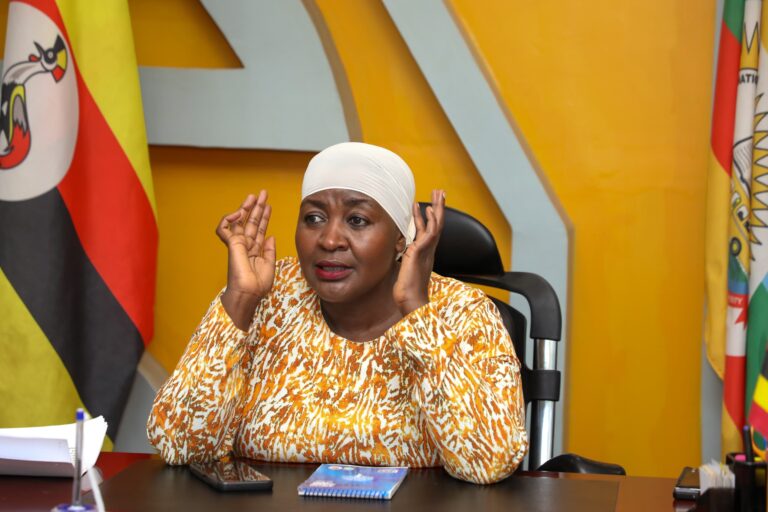
“I welcome ERA’s visit and appreciate their decision to come and clarify the issues we raised. However, we need to see faster action because Ugandans deserve reliable electricity, and those who have paid for connections should not continue waiting without being connected,” she said.
She urged the regulator, distributor and other responsible government agencies to improve coordination and ensure that the interventions announced translate into reliable electricity for households and businesses.
UEDCL targets December deadline for pending connections
Kasita said UEDCL was working to clear the outstanding connection backlog by the end of December 2026, adding that the company had connected approximately 159,000 customers during the year up to the reporting period. “UEDCL has connected approximately 159,000 customers year-to-date, and the target is to clear the existing connection backlog by the end of December 2026,” he said.
He attributed some of the delays to shortages of electricity meters and other connection materials, saying additional supplies and faster procurement were expected to accelerate the programme.
The backlog has remained a major concern since UEDCL assumed responsibility for electricity distribution. In October 2026, Daily Monitor reported that the outstanding applications had fallen from approximately 450,000 to 200,000, with the company reporting about 50,000 connections monthly. The figures underline the need for regular updates on pending applications and completed connections.
Namyalo said customers who had already paid for electricity connections should not continue waiting without clear information on when they would receive service. She also questioned the utilisation of Shs1.71 trillion associated with UEDCL’s operations, calling for Parliament to commission a forensic audit and investigate the outstanding connections.
“We need a forensic audit of the Shs1.71 trillion reportedly handled by UEDCL to establish how the money was utilised. Parliament should also investigate the outstanding connections and establish why customers who have paid are still waiting for electricity,” she said.
The financial figure requires clarification. UEDCL’s published report says the company paid Shs1.71 trillion to the Uganda Electricity Transmission Company Limited (UETCL) during its first 10 months of operation for bulk electricity purchases. That is different from money collected specifically for pending customer connections, and the distinction should be established in any parliamentary inquiry.
Transformer replacements and substation upgrades underway
Kasita said several interventions were underway to improve network reliability and reduce outages in areas experiencing recurring faults. He cited the replacement of 1,110 distribution transformers in the year to July 2026, alongside plans to expand Kawanda Substation’s capacity from 40 MVA to 80 MVA and develop a new substation at Matugga.
Other interventions are targeting electricity faults affecting Entebbe, Namasuba and Kisubi.
“UEDCL replaced 1,110 distribution transformers in the year to July 2026. Other interventions include increasing the capacity of Kawanda Substation from 40 MVA to 80 MVA, developing a new Matugga Substation and addressing faults affecting Entebbe, Namasuba and Kisubi,” Kasita said.

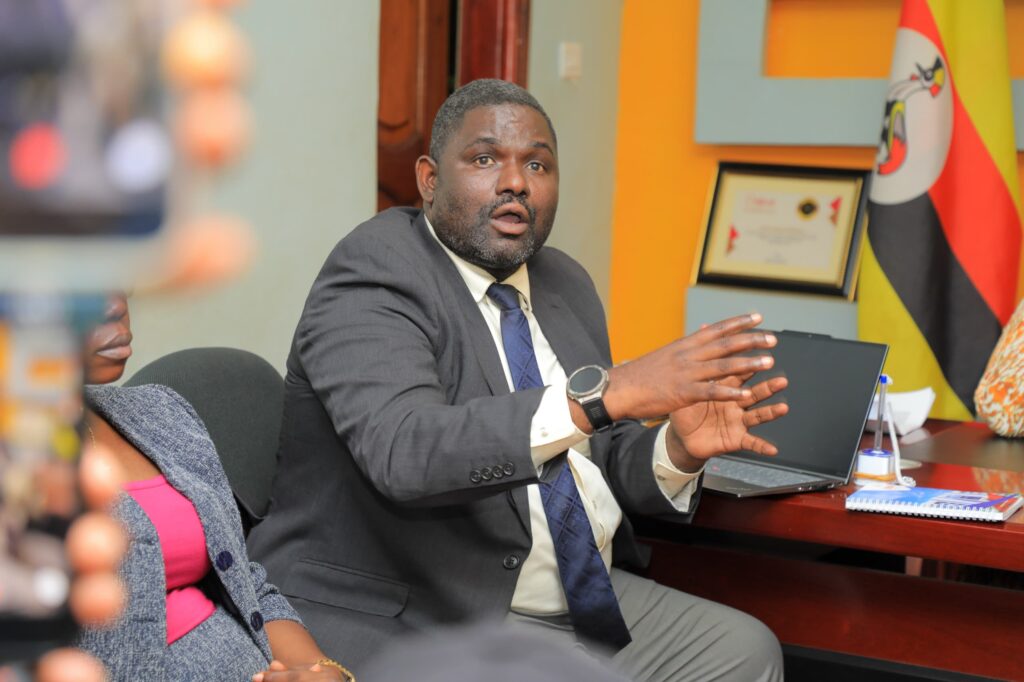
The interventions are intended to ease pressure on overloaded infrastructure, improve the distribution network’s ability to meet rising demand and reduce the duration and frequency of interruptions.
UEDCL has previously acknowledged that parts of the network inherited after the end of Umeme’s concession require rehabilitation and additional investment. Its reported interventions include transformer replacements, substation upgrades, and network improvements in areas experiencing frequent interruptions.
The challenge is significant because Uganda’s electricity generation capacity can exceed peak domestic demand while consumers still experience outages caused by constraints further down the supply chain.
Namyalo calls for coordinated action
Namyalo urged ERA, UEDCL, UETCL, the Ministry of Energy and Mineral Development and other government agencies to work together to address the persistent challenges.
She questioned whether the institutions responsible for electricity distribution had sufficient manpower and resources to resolve recurring outages and delays, calling for stronger accountability and coordination.
Namyalo said unreliable electricity was particularly damaging to rural communities and small businesses, including welders, salon operators and maize millers whose livelihoods depend on stable power.
She argued that improving electricity access and reliability was essential to the government’s socio-economic transformation agenda, particularly for communities and businesses that depend on power to generate income.
The ONC manager also maintained that the government needed to ensure that customers who had paid for connections received the service without further delays. Kasita, meanwhile, assured Namyalo that consumers should begin seeing improvements within six months as the planned interventions take effect.
The assurance comes as UEDCL continues to strengthen a distribution network that serves millions of customers following the end of Umeme’s 20-year concession on March 31, 2025. UEDCL assumed full distribution operations the following day, with the transition placing renewed attention on network investment, customer connections and service reliability.
Namyalo urged the responsible institutions to honour the commitments made during the meeting, saying Ugandans should see measurable improvements in electricity access and reliability rather than continued delays.
If you would like your article/opinion to be published on Uganda’s most authoritative news platform, send your submission on: [email protected]. You can also follow DailyExpress on WhatsApp and on Twitter (X) for realtime updates.


