
In Summary: From free eye surgeries in Bukedea and scholarships for disadvantaged children to support for sports, healthcare institutions and cultural leaders, businessman Dr Sudhir Ruparelia’s philanthropic activities reveal a side of his influence that extends beyond his business empire.
Kampala, Uganda — For many Ugandans, businessman Dr Sudhir Ruparelia is the billionaire behind luxury hotels, towering buildings and one of the country’s most prominent business empires. But beyond Kampala’s skyline lies another story, one told through children whose education received support, patients who regained their sight, struggling families who found assistance and communities that benefited from healthcare interventions.
It is a story of philanthropy that stretches from rural villages and disadvantaged households to sports grounds, hospitals, schools and even royal circles.
Among the beneficiaries are young Ugandans whose education received a lifeline, including musician Fresh Kid, whose real name is Patrick Ssenyonjo, and patients who accessed specialised medical treatment through charitable initiatives.
Sudhir’s philanthropic activities have also attracted recognition from prominent Ugandans, including President Yoweri Museveni, religious leaders and cultural figures who have publicly acknowledged his generosity.
Much of this work is channelled through the Ruparelia Foundation, established in 2012 by Sudhir and his wife, Jyotsna Ruparelia, under the motto Enriching Lives Together.
According to the foundation, its programmes have reached more than 10,000 people through initiatives spanning education, healthcare, community welfare and environmental conservation.
However, the impact of such interventions is perhaps best understood through the experiences of the people who have benefited from them.
3,500 people turn up for Bukedea eye camp
One of the foundation’s most significant recent healthcare interventions took place in March 2026, when it organised the Rajiv Memorial Eye Camp at Bukedea Teaching Hospital in memory of Sudhir’s late son, Rajiv Ruparelia.
Initially planned as a three-day medical outreach, the exercise attracted approximately 3,500 people seeking eye treatment, forcing organisers to extend the programme to accommodate the overwhelming turnout.
Medical teams eventually performed more than 500 eye surgeries, while hundreds of other patients received examinations, medication and prescription glasses.
The initiative brought specialised eye care closer to communities whose members might otherwise have struggled to access or afford such services.
One of the most memorable encounters during the exercise involved 104-year-old Esther Amoding, who attended the camp seeking treatment.
Sudhir personally presented her with a wheelchair, prompting an emotional response from the elderly woman, who offered prayers in appreciation.
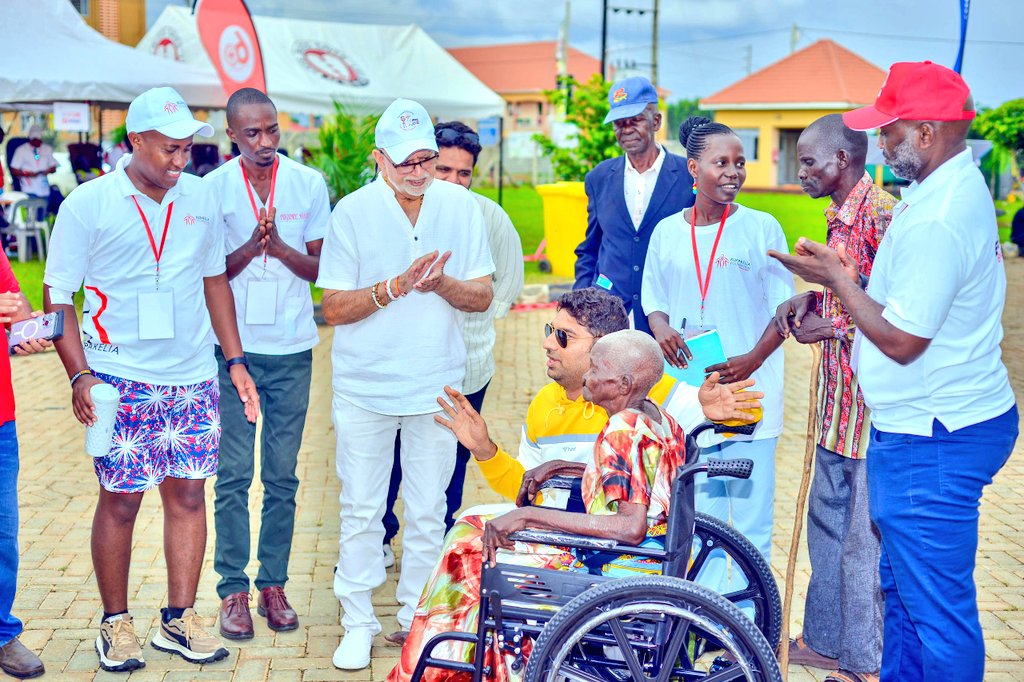
The encounter illustrated the human dimension of the initiative, where the significance of giving was reflected not only in the number of patients treated but also in individual experiences.
Bukedea was not an isolated intervention. The foundation’s healthcare activities have included medical outreaches, hospital support, equipment donations and assistance to patients facing expensive treatment.
Its approach has increasingly focused on taking services closer to communities rather than requiring vulnerable people to travel long distances in search of help.
Museveni recalls Shs600 million cattle vaccination assistance
Another account of Sudhir’s generosity has come from President Yoweri Museveni, who previously narrated how the businessman helped him secure approximately Shs600 million for cattle vaccination.
Museveni recalled that he had initially contacted then Stanbic Bank chief executive Philip Odera over the financing request, but the bank’s Kenyan regional managing director reportedly found it difficult to believe that the person making the call was actually the President.
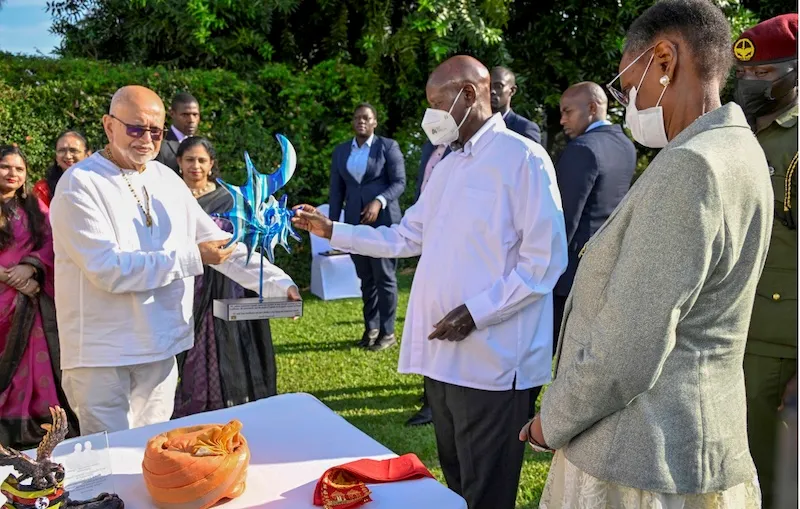
According to Museveni’s account, the situation changed when Sudhir learnt about the request and offered to provide the money. The President recalled Sudhir asking: “Where can I drop the money?”
Museveni presented the incident as an example of the businessman’s willingness to respond quickly when assistance was needed.
The account adds another dimension to Sudhir’s philanthropic profile, extending beyond conventional charitable programmes to personal interventions involving individuals and institutions.
Giving back to the hospital where he was born
Sudhir’s charitable activities have also maintained a connection with his birthplace in western Uganda.
Born in Kabatoro, Kasese District, in 1956, he later returned to the area through a donation to Lake Katwe Children’s Hospital, the facility identified as the hospital where he was born decades earlier.
Through the Ruparelia Foundation, he donated hospital beds to the institution, supporting its capacity to provide care to children and other patients.

The gesture carried particular significance because it represented a return to an institution associated with the beginning of his own life.
From a child born in Kasese to a businessman who would eventually establish a major commercial empire, his story came full circle through an intervention intended to strengthen the same community.
The foundation’s wider community support has also included assistance to vulnerable children, the Missionaries of the Poor, the Franciscan Sisters in Kamwokya and prison outreach programmes.
It has additionally supported families facing medical emergencies and other community initiatives in different parts of the country.
Scholarships and education: Supporting the next generation
Education remains another important pillar of Sudhir’s philanthropic activities.
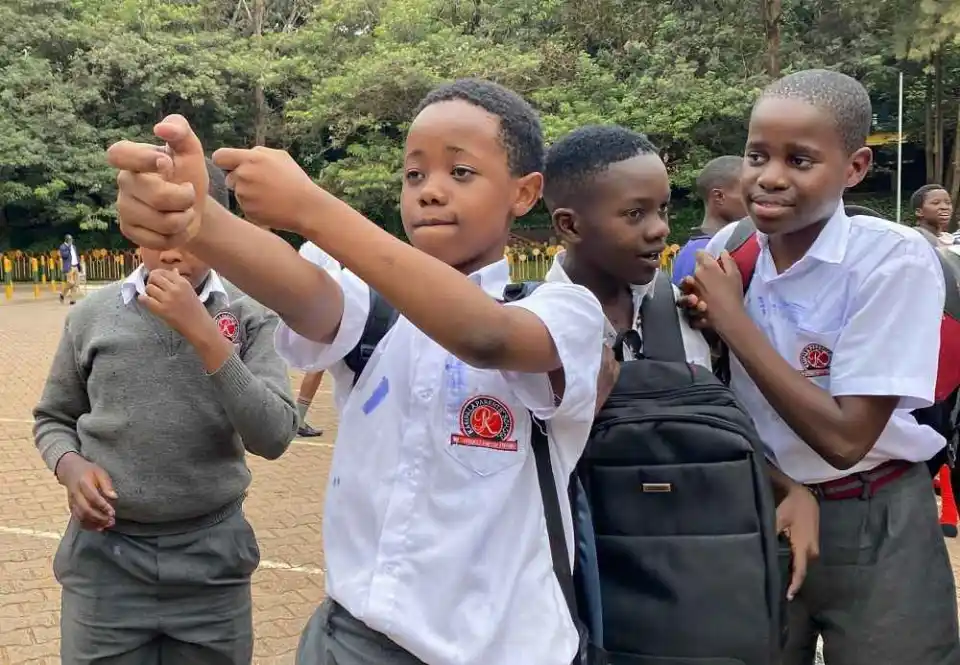
The Ruparelia Foundation says it has supported more than 100 students through scholarships and school fee assistance in Uganda and abroad, with the aim of giving disadvantaged young people access to educational opportunities.
One of the more notable beneficiaries associated with this support is Tooro Kingdom’s King Oyo Nyimba Kabamba Iguru Rukidi IV.
During burial ceremonies for the late monarch’s family member, Queen Mother Best Kemigisa publicly acknowledged Sudhir among those who supported her son’s education during his formative years. “Sudhir Ruparelia is among those who educated my son in high school,” she said.
Kemigisa also recalled that Sudhir extended support beyond tuition, giving the young monarch access to gym facilities at Speke Resort Munyonyo as he grew into his responsibilities.
Her testimony offered a glimpse into the personal relationships and support networks that helped shape the life of a monarch who ascended to the throne at just three years old.
Another beneficiary frequently associated with educational support is musician Fresh Kid, whose real name is Patrick Ssenyonjo, although the specific nature, duration and value of the assistance should be independently established.
The broader philosophy behind the foundation’s education initiatives is that financial circumstances should not permanently determine a child’s access to learning and future opportunities.
Sports, wildlife and community development
Sudhir’s philanthropic footprint has also extended into sports, where financial and institutional support can make a significant difference to athletes and emerging talent.

Over the years, the Ruparelia Foundation has supported initiatives associated with the Busoga Marathon, Uganda Rugby Union activities, kickboxing events involving Moses Golola, football tournaments and Olympic champion Stephen Kiprotich.
Such interventions reflect the potential of sports to provide young people with opportunities for personal development, discipline, professional advancement and national representation.
Environmental conservation has also featured among the foundation’s activities.
According to the foundation, more than Shs100 million has been invested in wildlife-related initiatives, including land and feeding programmes and partnerships aimed at supporting Uganda’s natural heritage.
The foundation’s activities have therefore extended beyond immediate household assistance to include initiatives targeting community development, sports and environmental protection.
Supporting religious, cultural and national initiatives
Sudhir’s charitable activities have also intersected with Uganda’s religious, cultural and political institutions through fundraising events and personal contributions.
In 2012, he contributed towards fundraising efforts for St Henry’s College Kitovu.
In 2026, he donated Shs100 million towards Gen Muhoozi Kainerugaba’s birthday charity run, whose proceeds were intended to support health-related causes, including children battling cancer.
His relationship with religious leaders has also attracted public recognition.
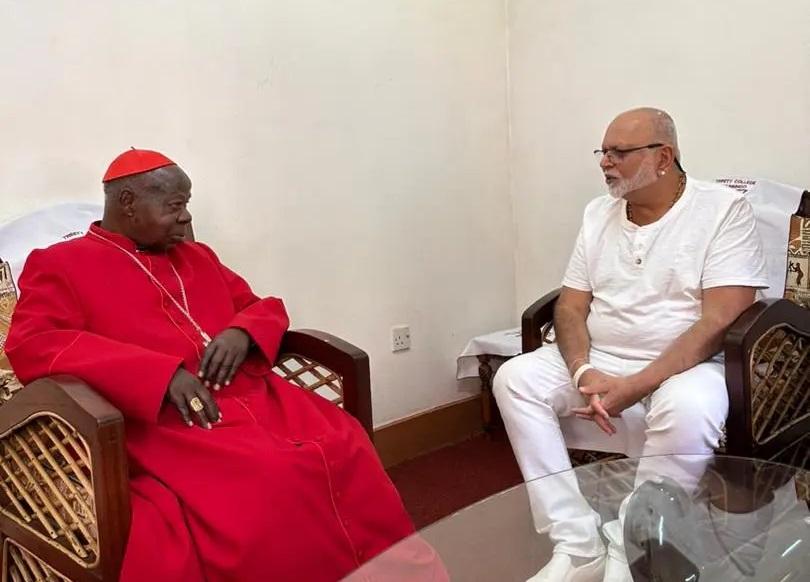
During a public address, Cardinal Emmanuel Wamala praised Sudhir for his friendship and support during and after his tenure as Archbishop of Kampala. “I still remember vividly how you supported me when I was Archbishop of Kampala. I wish to express my profound gratitude to you for your love, care, and generosity,” Cardinal Wamala said.
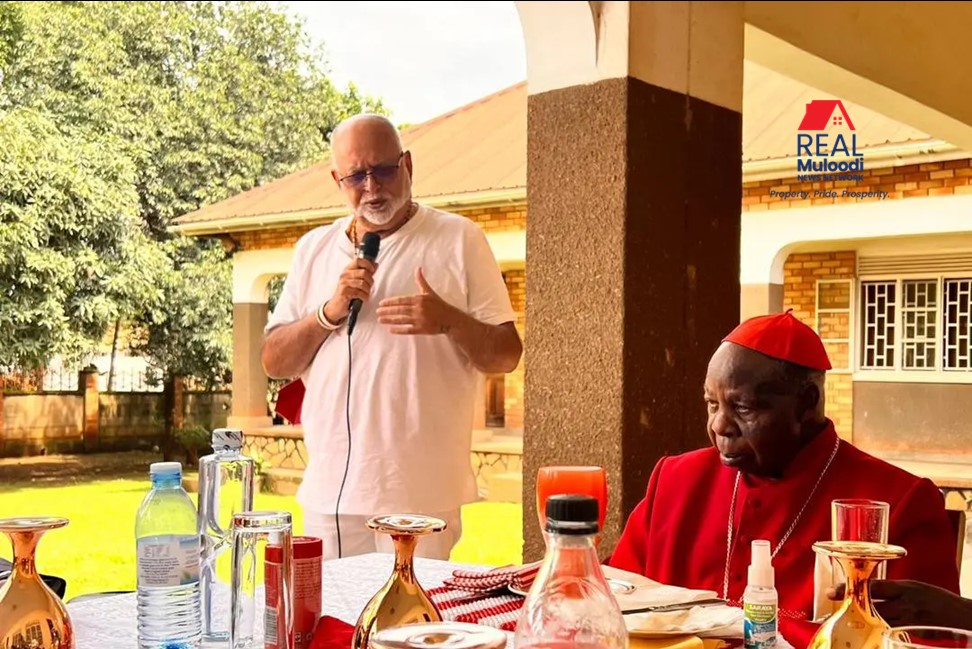
Such acknowledgements have contributed to a public picture of philanthropy that cuts across religious, cultural and social boundaries.
Beyond the publicly announced contributions, there are also accounts of Sudhir supporting individuals through school fees, accommodation, medical bills and assistance during personal crises.
Some of these stories remain difficult to independently verify through publicly available records, but they form part of the wider reputation surrounding his charitable activities.
From displacement to building a business empire
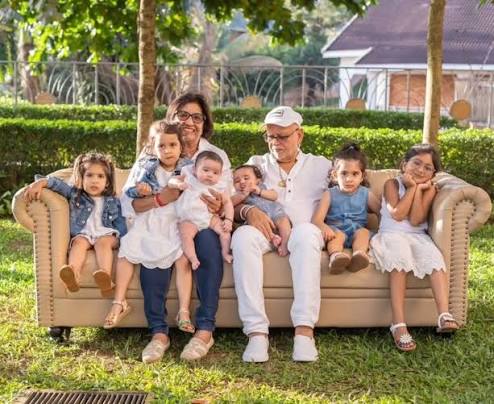
Sudhir’s philanthropic journey is particularly notable when considered alongside his own life story.
Following Idi Amin’s expulsion of Asians from Uganda in the 1970s, he was forced to leave the country and rebuild his life abroad.
After spending years in the United Kingdom working different jobs, he returned to Uganda in 1985 with approximately $25,000 in savings.
Over the following decades, he built the Ruparelia Group into a diversified business conglomerate with interests in real estate, hospitality, education, financial services and other sectors.
His investments have contributed to the development of major commercial properties, hotels and institutions, while his enterprises support thousands of jobs.
The business journey has also been accompanied by philanthropic activities that have reached communities far beyond the commercial centres associated with his investments.
Beyond the buildings and billions
Perhaps the quieter monuments to Sudhir Ruparelia’s success are not made of glass, steel or concrete.
They are found in classrooms where children continue their education because someone helped pay their fees, hospitals where patients receive treatment they could not previously afford and communities where elderly people and vulnerable families receive assistance.
They are also found in sports grounds where young athletes pursue their ambitions, religious institutions that remember his support and cultural communities that acknowledge his contribution. The significance of philanthropy is ultimately reflected in the lives it touches.
For Sudhir, whose public profile is often defined by wealth, business investments and commercial achievements, these charitable interventions offer another dimension to his legacy.
In a country where success is frequently measured by what an individual owns, the stories of those who have benefited from his generosity provide a different perspective, one measured by opportunities created, suffering eased and lives supported.
And perhaps that is the other side of the billionaire’s story that deserves to be told.
If you would like your article/opinion to be published on Uganda’s most authoritative news platform, send your submission on: [email protected]. You can also follow DailyExpress on WhatsApp and on Twitter (X) for realtime updates.