

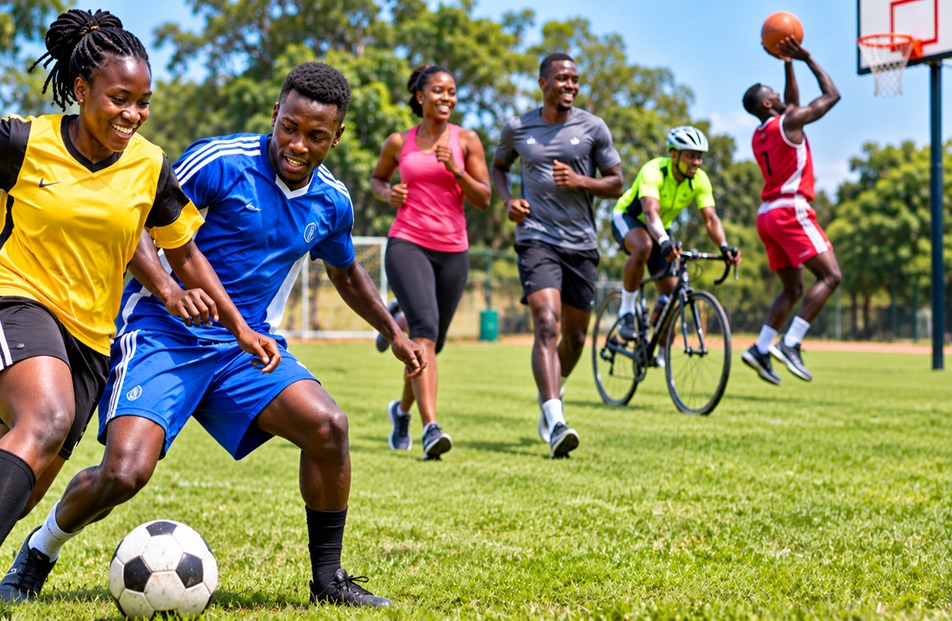
Sports play an important role in maintaining physical health, supporting mental well-being and encouraging stronger communities. Across Africa, participation in football, athletics, basketball, cycling and other activities offers people opportunities to stay active while developing discipline, teamwork and healthy daily habits.
How Sports Contribute to Physical Health
Regular participation in sports helps strengthen the heart, improve circulation, build muscle and maintain healthy body weight. Activities such as running, swimming, football and cycling also improve endurance and coordination, making movement an important part of long-term health.
| Type of activity | Main health benefits | Examples |
| Aerobic exercise | Improves cardiovascular fitness | Running, cycling, swimming |
| Strength activities | Builds muscles and supports bones | Resistance training, climbing |
| Team sports | Develops endurance and coordination | Football, basketball, netball |
| Flexibility activities | Supports mobility and balance | Yoga, stretching, gymnastics |
Reducing the Risk of Lifestyle-Related Diseases
Consistent physical activity can help lower the risk of cardiovascular disease, type 2 diabetes and high blood pressure. The World Health Organization reports that adults who do not get enough physical activity have a 20% to 30% higher risk of death compared with those who meet recommended activity levels.
The Importance of Sports for Mental Well-Being
Physical activity supports mental health by helping reduce stress, improve mood and promote better sleep. Taking part in sports can also create a sense of achievement and provide opportunities to build social connections through shared interests and regular group activities.
Building Confidence and Emotional Resilience
Learning new skills, overcoming challenges and achieving personal goals can strengthen confidence and encourage a positive attitude. Sports also teach participants how to respond to setbacks, manage pressure and remain motivated when progress takes time.
Sports and Healthy Development Among Young People
Sports can play a valuable role in childhood and adolescence by supporting physical development, social skills and healthy routines. Regular participation gives young people opportunities to improve coordination, develop discipline and learn how to work towards shared goals.
Developing Teamwork and Leadership
Team sports encourage communication, cooperation and respect for others, while individual disciplines help young athletes develop independence and self-management. Schools and community organisations can make these benefits more accessible by providing safe facilities, qualified coaches and affordable sporting programmes.
How Much Physical Activity Is Needed?
The World Health Organization recommends regular movement throughout the week, with the amount depending on age and physical ability. Its guidance provides practical targets that can help people build sustainable exercise routines without needing expensive equipment or access to professional sports facilities.
| Age group | Recommended activity | Additional guidance |
| Children and adolescents aged 5–17 | At least 60 minutes daily | Include muscle- and bone-strengthening activities at least 3 days weekly |
| Adults aged 18–64 | 150–300 minutes of moderate activity weekly | Muscle-strengthening activities at least 2 days weekly |
| Adults aged 65 and above | 150–300 minutes of moderate activity weekly | Include balance and strength exercises where appropriate |
Making Exercise Part of Everyday Life
Not every person needs to participate in competitive sports to achieve health benefits, as walking, cycling, dancing and active household activities also contribute to weekly movement targets. Starting with manageable sessions and gradually increasing duration or intensity can help people establish habits that are easier to maintain.

Community Sports and Social Development
Local sports clubs, school competitions and public fitness events can bring people together while encouraging healthier communities. In many African countries, football and athletics also provide platforms for young people to develop skills, build friendships and take part in organised activities.
Improving Access to Sporting Opportunities
Affordable facilities and inclusive programmes are important for increasing participation among women, children, older adults and people with disabilities. Community investment in playgrounds, walking routes and accessible sports centres can make physical activity easier to incorporate into everyday routines.
Balancing Sports with Digital Entertainment
Digital entertainment has become part of modern leisure, with online platforms such as Lucky Days representing one aspect of the wider digital environment. However, screen-based activities should complement rather than replace physical movement, social interaction and time spent outdoors.
Overcoming Barriers to an Active Lifestyle
Busy schedules, limited facilities, financial constraints and concerns about safety can make regular exercise difficult for some people. Addressing these barriers requires practical solutions that make physical activity affordable, convenient and suitable for different fitness levels.
- Limited time: Short walks or exercise sessions can be included in daily routines.
- Financial constraints: Running, walking and bodyweight exercises require little or no equipment.
- Lack of facilities: Community spaces and school grounds can provide additional opportunities for activity.
- Low motivation: Exercising with friends or joining local clubs can encourage consistency.
Building a Healthier Future Through Sports
Sports and regular physical activity can contribute to healthier individuals and stronger communities by supporting physical fitness, mental well-being and social development. Greater access to safe facilities, inclusive programmes and public health education can help make active lifestyles a more achievable part of everyday life.
If you would like your article/opinion to be published on Uganda’s most authoritative news platform, send your submission on: [email protected]. You can also follow DailyExpress on WhatsApp and on Twitter (X) for realtime updates.


