In Summary: Out of the Shs8.142 billion disbursed under the Parish Development Model over five financial years, Apac Municipality has reportedly recovered only Shs21 million, representing approximately 0.26 per cent of the amount disbursed. The figures have raised concerns about loan repayment, SACCO accountability and the sustainability of the programme’s revolving fund.
Apac, Uganda — Apac Municipality has disbursed more than Shs8.142 billion under the government’s Parish Development Model (PDM) over five financial years, but has recovered only Shs21 million, raising concerns about the programme’s loan repayment arrangements and the sustainability of its revolving fund.
The reported recovery represents approximately 0.26 per cent of the total amount disbursed, leaving billions of shillings yet to be accounted for through repayments.
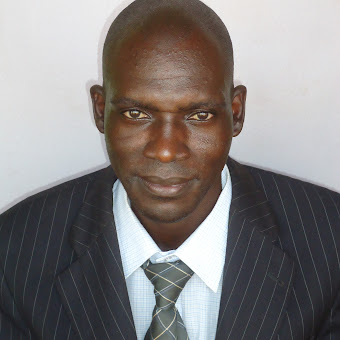
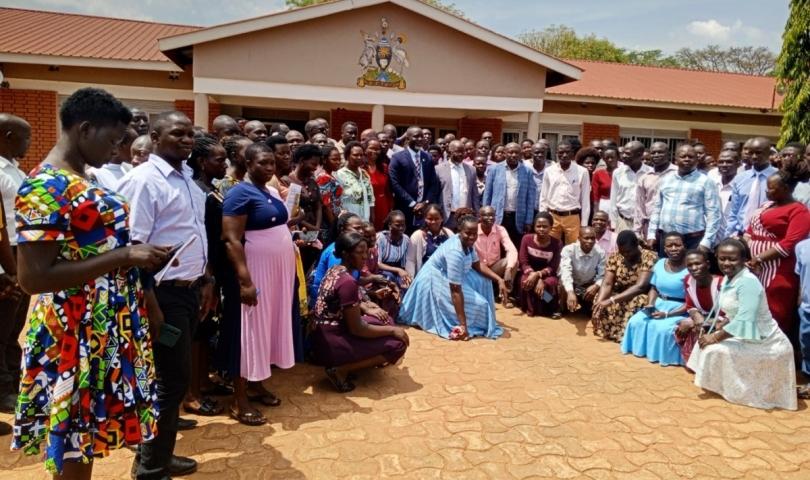
The performance figures were presented by Apac Municipal PDM Focal Person and Municipal Production Officer, Anna Grace Akite, during the municipality’s budget conference held on Thursday at Mayov Hotel in Apac town.
Akite told participants that the municipality had channelled the funds to its four administrative divisions between the 2021/2022 and 2025/2026 financial years, with Arocha Division receiving the largest allocation.
According to the breakdown presented, Arocha received Shs2.814 billion, followed by Agulu with Shs2.123 billion, Atik with Shs1.838 billion and Akere with Shs1.134 billion.
The figures highlight the scale of government funding directed towards the poverty-eradication programme, which seeks to move households from subsistence production into the money economy through enterprise development, improved agricultural productivity and increased household incomes.
However, the reported recovery of only Shs21 million has brought the management and repayment of the Parish Revolving Fund into sharp focus.
Billions disbursed, but where is the revolving money?
Unlike a conventional government grant, the Parish Revolving Fund is designed to operate as a community-based financing mechanism.
Beneficiaries access funding through their respective PDM SACCOs to establish or expand income-generating enterprises, with an obligation to repay the money so that other qualifying households can benefit.
The repayment principle is central to the programme’s long-term sustainability. Money recovered from one group of beneficiaries is expected to be made available to other households, allowing the fund to circulate within communities and extend access to financing.
But with Apac Municipality reporting only Shs21 million in recoveries against billions disbursed, questions arise over whether the revolving mechanism is functioning as intended.
The figures also raise questions about the capacity of PDM SACCOs to enforce repayment agreements, monitor funded enterprises and maintain accurate records of beneficiaries, repayments and outstanding obligations.
Although the reported figures do not establish why beneficiaries have failed to repay, areas requiring investigation include the level of beneficiary sensitisation, performance of funded enterprises, repayment enforcement and the effectiveness of follow-up mechanisms.
The challenge is therefore not simply how much money has been disbursed, but whether the funds are being managed effectively to ensure that more households can benefit.
Mayor calls for mindset change
Responding to the poor recovery performance, Apac Municipal Mayor Macklin Bonny Odongo called for intensified community sensitisation to address attitudes towards repayment of PDM funds.
Odongo said beneficiaries needed to understand the purpose of the programme and their responsibility to repay the money received. He emphasised that the funds are intended to support economic activities and must be returned to enable other households to access the same opportunities.
The Mayor’s remarks point to a critical implementation challenge: ensuring beneficiaries understand the difference between a revolving loan and a one-off government handout.
Sensitisation, therefore, needs to go beyond mobilising residents to register for the programme and receive funding. Beneficiaries must also understand the conditions attached to the money, repayment timelines and their responsibility to honour the agreed obligations.
Without a shared understanding of these responsibilities, the revolving fund risks becoming difficult to sustain.
Accountability questions facing PDM SACCOs
Beyond changing beneficiaries’ attitudes, the recovery figures place the spotlight on the management and oversight of PDM SACCOs. As the institutions responsible for administering loans to eligible households and managing repayments, SACCOs are central to the programme’s success.
Their responsibilities extend beyond disbursing money to monitoring whether beneficiaries use the funds for approved enterprises, maintaining accurate loan records and following up on repayment commitments.

For Apac Municipality, strengthening these functions could be an important step towards improving recovery.
Regular assessment of funded enterprises would help establish whether beneficiaries are investing the money in the intended activities and whether those businesses are generating sufficient income.
Authorities and SACCO leaders also need reliable records showing the total amount disbursed, repayments due, actual recoveries and outstanding balances.
Such information would make it easier to identify repayment challenges, follow up on defaulters and distinguish genuine business difficulties from deliberate failure to honour repayment obligations.
Recovery efforts should also be accompanied by transparency and accountability so that beneficiaries understand how the money is managed and how repayments allow other households to access funding.
A test for government’s poverty-eradication agenda
The Parish Development Model was introduced to address household poverty by organising communities around parish-level economic development and supporting households to participate in productive economic activities.
Its success, however, cannot be measured by the amount of money released alone. The programme must also demonstrate that beneficiaries are establishing viable enterprises, increasing household incomes and repaying funds to enable others to access financing.
The Ministry of Local Government identifies community mobilisation and mindset change among the seven pillars of PDM, underscoring the importance of public participation and behavioural change in achieving the programme’s objectives.
For Apac Municipality, the challenge is to translate substantial financial investment into measurable economic improvements while protecting the revolving fund from stagnation.
This will require coordinated action involving municipal authorities, production officers, SACCO leaders and beneficiaries.
Authorities need to strengthen sensitisation, improve enterprise monitoring, enhance loan administration and ensure that SACCOs regularly account for funds entrusted to them.
Beneficiaries, meanwhile, must understand that repayment is not merely an administrative requirement but a responsibility that determines whether other households can also access the programme.
With more than Shs8.142 billion reportedly disbursed over five financial years, Apac Municipality faces growing pressure to explain the low recovery figure, strengthen accountability and demonstrate that the money released under PDM is translating into sustainable livelihoods.
If you would like your article/opinion to be published on Uganda’s most authoritative news platform, send your submission on: [email protected]. You can also follow DailyExpress on WhatsApp and on Twitter (X) for realtime updates.