

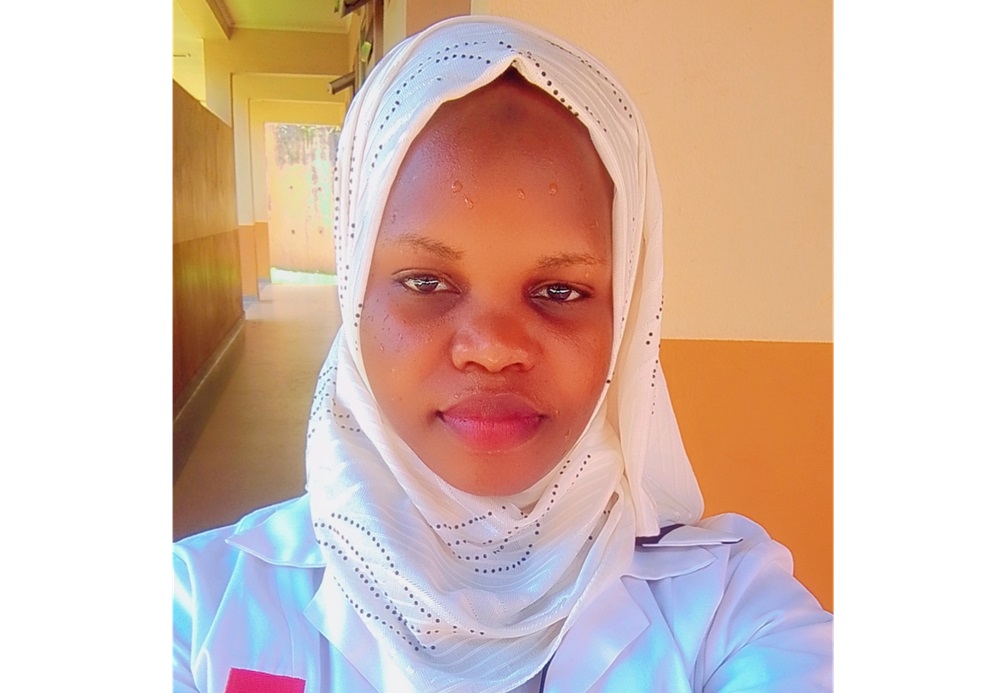
By Aisha Naava
For many years, the word stigma has been closely linked to HIV. Thanks to years of public education and awareness campaigns, many people now understand that those living with HIV deserve respect, support and equal treatment. However, there is another reality that often goes unnoticed: stigma affects people living with many other chronic illnesses too.
Every day, people living with diabetes, hypertension, cancer, epilepsy, tuberculosis, mental illness, sickle cell disease, kidney disease and other long-term conditions face judgment, rejection and discrimination. Some are blamed for their illness, while others are avoided because of fear and misinformation. Sadly, this treatment often hurts more than the disease itself.
Some of the different kinds of stigma include the following:
Health-related stigma refers to negative attitudes, stereotypes, prejudice and discriminatory behaviours directed towards individuals because of a health condition. Stigma can be experienced in several ways:
Self-stigma: Individuals internalise negative beliefs, leading to shame, guilt and reduced self-esteem.
Social stigma: Family members, friends, employers and communities discriminate against affected individuals.
Institutional stigma: Policies or practices within healthcare systems, workplaces or schools unintentionally disadvantage people living with chronic diseases.
Stigma can happen anywhere: in homes, workplaces, schools, places of worship and even in healthcare facilities. Some people hide their illness because they fear being laughed at, isolated or treated differently. Others delay seeking treatment or stop taking their medication because they feel ashamed. These actions can lead to serious health complications and even loss of life.
The truth is that no one chooses to become ill. Many chronic diseases are influenced by factors such as genetics, age, infections or circumstances beyond a person’s control. Instead of blaming people, we should encourage them to seek treatment early and support them throughout their journey.
Healthcare workers have a special responsibility to provide compassionate, respectful and confidential care to every patient. Communities also have a role to play by rejecting myths, speaking out against discrimination and offering support to people living with chronic illnesses.
As the number of people living with chronic diseases continues to increase, fighting stigma must become everyone’s responsibility. A caring word, a welcoming attitude and a willingness to understand can make a significant difference in someone’s life.
Ways of reducing stigma among people living with chronic illnesses include:
Health education and awareness: Provide accurate information about chronic illnesses, their causes, treatment and transmission, where applicable. This helps correct myths and misconceptions.
Community sensitisation: Conduct community meetings, radio programmes, school health talks and other awareness activities to promote understanding and acceptance.
Avoid discriminatory language: Health workers, families, the media and communities should use respectful language and avoid labels that blame or shame people with chronic illnesses.
Promote confidentiality: Health workers should protect patients’ privacy and avoid unnecessarily disclosing their diagnoses or personal information.
Encourage family support: Families should provide emotional, social and practical support rather than isolating or blaming the affected person.
Involve people living with chronic illnesses: Their experiences can help communities understand the challenges of living with chronic conditions and reduce negative stereotypes.

Train health workers: Health workers should receive training on stigma, respectful communication, empathy and patient-centred care.
Strengthen support groups: Support groups can provide encouragement, shared experiences, counselling and a sense of belonging.
Address myths and misconceptions: Community leaders and health professionals should openly correct false beliefs about chronic illnesses.
Promote equal treatment: People with chronic illnesses should have equal access to healthcare, education, employment, social activities and other opportunities.
Use the media responsibly: Newspapers, radio, television and social media should present people with chronic illnesses positively and avoid sensational or discriminatory reporting.
Provide counselling and psychosocial support: Counselling can help individuals and families cope with the social and emotional challenges associated with chronic illness.
In conclusion, let us remember that illness does not define a person’s value. Whether someone is living with HIV, diabetes, cancer, hypertension, epilepsy or any other chronic condition, they deserve dignity, respect and equal opportunities.
Together, we can build a society where compassion replaces judgment and where every person living with a chronic illness feels accepted, supported and hopeful.
The author is a nursing officer working with Kawolo General Hospital, a medical educator and public health advocate.
If you would like your article/opinion to be published on Uganda’s most authoritative news platform, send your submission on: [email protected]. You can also follow DailyExpress on WhatsApp and on Twitter (X) for realtime updates.


