In Summary: The Council says the money was withdrawn without the knowledge of its principal signatory and has reported the matter to police. Additionally, the .
Kampala, Uganda — The Uganda Muslim Supreme Council (UMSC) has constituted a five-member committee to investigate the circumstances surrounding the withdrawal of Shs3.5 billion in government compensation funds from a joint bank account, amid concerns over alleged financial impropriety involving former officials of the Council.
The decision was reached during a special sitting of the UMSC National Executive Committee on Monday, November 16, 2026, at the Council’s headquarters in Kampala, following several hours of deliberations over the disputed funds.
The committee, chaired by UMSC Executive Committee Chairperson Prof. Dr. Muhammadi Lubega Kisambira, comprises Dr. Abduwahid Ijosiga representing West Nile, Dr. Counsel Adam Makmot Kibwanga representing Northern Uganda, Hajji Yusuf Mayanja representing West Buganda, Rtd. Maj. Hajji Abubakar Kalume representing East Buganda and Counsel Sheikh Kassim Kamugisha representing Ankole-Kigezi.
The five-member team has been tasked with investigating the circumstances surrounding the withdrawal and utilisation of the compensation money and is expected to submit its findings within one month, effective November 18, 2026.
The investigation follows revelations that the Shs3.5 billion, reportedly paid by government as compensation for land formerly belonging to UMSC, was deposited into a joint account at Tropical Bank’s main branch in Kampala in December 2024 but was subsequently withdrawn through 81 cheques.
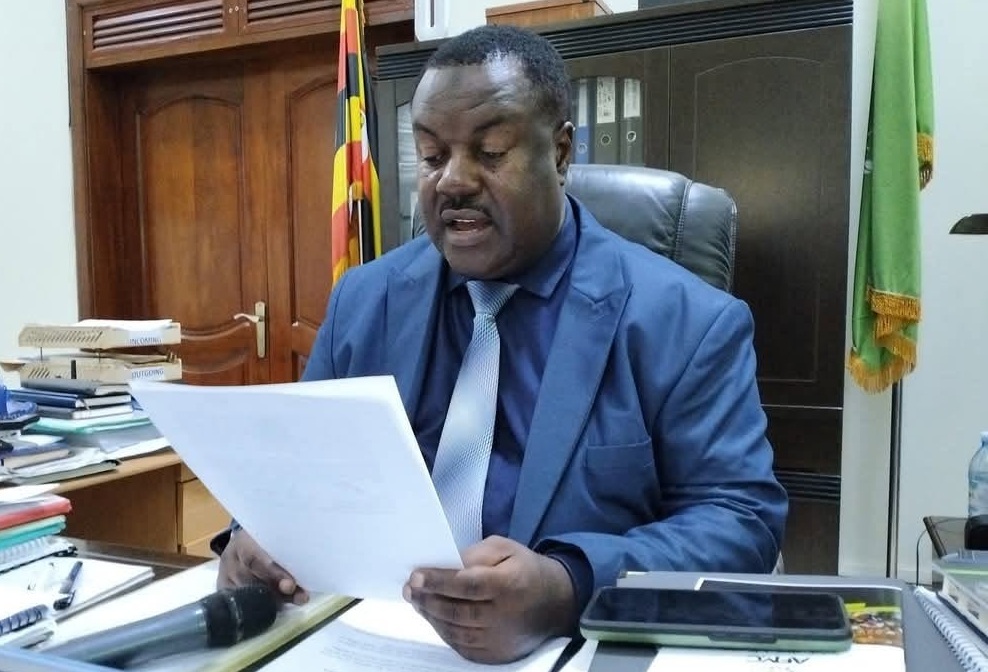
In his briefing to journalists after the meeting, Prof. Lubega said the Mufti’s office had directed a search into the status of the accounts after repeated attempts to establish the whereabouts and management of the funds reportedly failed. He said the search revealed that the entire compensation amount had been withdrawn without the knowledge of UMSC’s principal signatory.
The Council has questioned how the bank processed the transactions without alerting the principal signatory and has since reported the matter to police for investigation.
UMSC has named three individuals whose signatures reportedly appeared on the cheques used to withdraw the funds. One of them, Counsel Mustafa Ssebankyaye, who served as the Board Secretary of Uganda Ranches Limited, is reportedly outside the country, with accounts indicating that he may have travelled to either Zambia or Namibia.
The circumstances surrounding the transactions, the individuals involved and the eventual use of the money remain subject to investigation.
How the Shs3.5b dispute started
The disputed funds relate to land acquired by UMSC in the mid-1970s for the establishment of large-scale livestock ranches across the country.
To manage the investments, the Muslim body established a subsidiary company, Uganda Ranches Limited. However, the ranching project collapsed following the overthrow of President Idi Amin’s government in 1979, and the company subsequently ceased operations.
According to Prof. Lubega, several of the ranches were later affected by compulsory land acquisition during the land restructuring programme introduced by the National Resistance Movement government in the 1990s.
Government subsequently undertook to compensate the affected proprietors, but UMSC’s ability to follow up on the claims was reportedly complicated by internal leadership wrangles that resulted in the loss of important property records.
Prof. Lubega said the ranches had been managed by directors appointed by UMSC, most of whom have since died. The surviving former officials identified during the briefing include Hajji Fazil Jjingo Kasujja, a retired banker, and Hajji Isah Khalifa Lukwago, who served as UMSC Secretary General between 1980 and 1985.
He said successive UMSC administrations failed to follow up on the status of Uganda Ranches Limited and did not ensure that the company’s former directors were removed from its official records, leaving them registered as proprietors of the disputed land.

Media reports from the meeting indicate that Hajji Abbas Muluubya Ssekyanzi informed the Executive Committee that the two former officials, together with the company’s then Board Secretary, Counsel Mustafa Ssebankyaye, had challenged government’s proposed payment arrangements.
They reportedly opposed the deposit of the compensation funds into UMSC’s consolidated accounts and instead secured an arrangement under which the money would be held in a joint account, with UMSC represented as the principal signatory.
The funds were subsequently deposited at Tropical Bank in December 2024.
Prof. Lubega said UMSC had made several attempts over the past two years to engage the three individuals over the management and utilisation of the compensation money, but the efforts had not yielded meaningful responses.
SG Muluubya sent on mandatory leave
Following the revelations, the Executive Committee directed Secretary General Hajji Abbas Muluubya Ssekyanzi to proceed on mandatory leave to allow investigations into the disputed funds to proceed without interference.
The decision places the Council’s top administrative office under temporary leadership as the committee begins its work. Hon. Counsel Hajji Muhammad Ali Aluma has been appointed Acting Secretary General during the period.
The committee is expected to establish how the money was withdrawn, who authorised the transactions, how the funds were utilised and whether any individuals bear responsibility for the disputed transactions.
The Council’s decision to involve police means the matter is also subject to criminal investigation, with the bank transactions and the identities of those who signed the cheques expected to form part of the inquiries.
UMSC is seeking to establish the full circumstances surrounding the disappearance of the compensation funds and determine the appropriate administrative and legal action.
If you would like your article/opinion to be published on Uganda’s most authoritative news platform, send your submission on: [email protected]. You can also follow DailyExpress on WhatsApp and on Twitter (X) for realtime updates.