
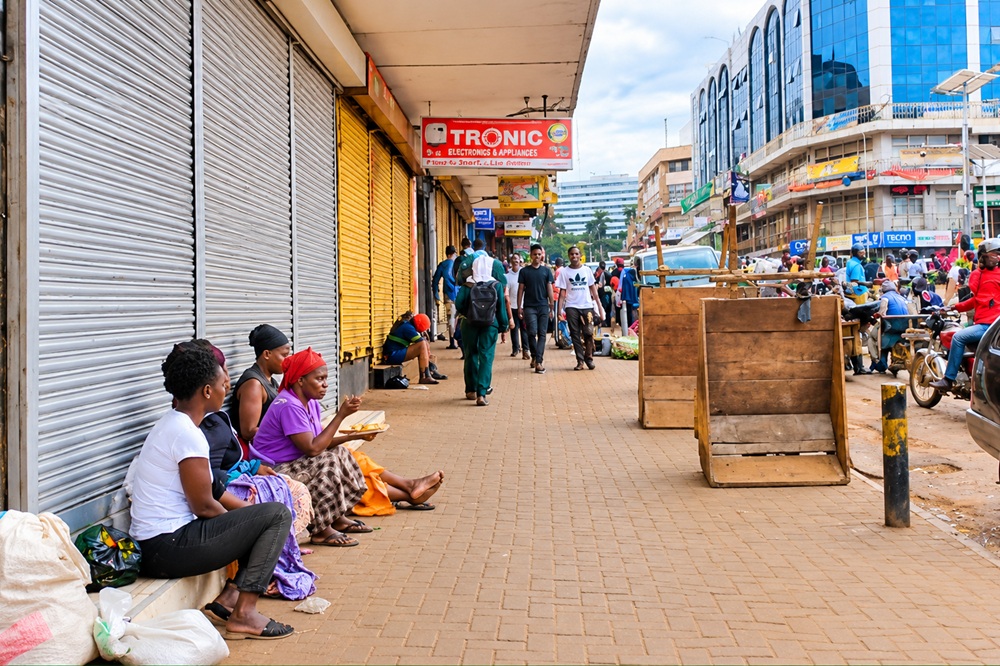
In Summary: Kampala traders have agreed to reopen their businesses following fresh government commitments to review taxes on imported clothes and textiles, release goods belonging to compliant traders within three days and improve URA enforcement practices. However, traders say they will be watching to ensure the promises translate into concrete changes, with Cabinet expected to consider a comprehensive response on November 24, 2026.
Kampala, Uganda — Kampala traders have agreed to call off their three-day business shutdown and resume operations following fresh commitments by government to address grievances over taxation, merchandise seizures and Uganda Revenue Authority (URA) enforcement practices.
The breakthrough followed a meeting between Prime Minister Robinah Nabbanja and representatives of the trading community, during which government pledged to review several policies and administrative procedures that traders say have made it increasingly difficult to conduct business.
Among the commitments made was a review of taxes on imported clothes and textiles, the release of goods belonging to compliant traders within three days and improvements in the way URA conducts enforcement operations.
Government also pledged to examine customs clearance procedures for merchandise imported through Nairobi, Kenya, following complaints that delays and associated costs were affecting traders.
John Kabanda, president of the Federation of Uganda Traders Associations, confirmed that traders had agreed to reopen their shops as their leaders follow up on the commitments made during the meeting.
“Yesterday [on Wednesday], the traders met the Prime Minister and this time round government made commitments. We have agreed to reopen our shops as we follow up on the commitments made,” Kabanda said. “As leaders, we are going to ensure that everything the government promised is fulfilled.”
Kabanda said traders’ representatives would maintain contact with relevant government institutions, particularly URA, to ensure the agreed measures translate into tangible changes. He also appealed to business owners to remain patient and avoid further disruptions as engagements with government continue.
However, the decision to reopen does not mean all the traders’ concerns have been resolved, with business owners keen to see whether government will implement the promises made.
Issa Ssekito, chairperson of the Kampala City Traders Association (KACITA), said some businesses had already resumed operations, while others were waiting to establish whether government would honour its commitments.
“We shall wait a little longer and see what comes out of the engagements,” Ssekito said. “The issue that brought us here is already known, and we want to see the resolutions implemented.”
Government promises review of garment taxes
The traders’ industrial action was largely driven by disagreements over the taxation of imported goods, particularly second-hand clothes, textiles and garments.
At the centre of the dispute is the tax charged per kilogramme of imported clothing, which traders have repeatedly complained is excessive and makes their merchandise more expensive.
Nabbanja had earlier informed Parliament during Prime Minister’s Question Time that President Yoweri Museveni had appealed to traders to suspend their industrial action and reopen their businesses as government worked to resolve their grievances.
She said engagements with traders had identified taxation on imported garments as one of the biggest sources of disagreement between the business community and URA.
Nabbanja acknowledged the concerns, explaining that the taxation policy was originally introduced to protect local manufacturers from competition posed by imported products. “The biggest issue was on garments, the tax per kilogramme. The tax came with the intention of protecting our local producers,” she said.

“However, we have agreed that the tax policy on textiles and garments be reviewed and aligned to address the challenges faced by traders while ensuring harmonisation of Uganda’s tax regime with those of other East African Community partner states.”
The proposed review is expected to consider the concerns of importers while maintaining government’s objective of supporting domestic textile and garment manufacturers.
Nabbanja said government would present a more comprehensive response to the concerns raised by traders after a Cabinet meeting scheduled for Tuesday, November 24, 2026.
URA enforcement practices also under scrutiny
Beyond taxation, traders have complained about URA’s interception and impounding of merchandise being transported from Kampala to other parts of the country.
Business owners accused enforcement teams of targeting goods purchased from downtown Kampala, arguing that operations along major highways had disrupted legitimate trade, created uncertainty and increased the cost of doing business.
The traders also want improvements in customs clearance procedures, particularly for merchandise imported through Nairobi, where they say delays and associated costs have affected their businesses.
The implementation of the Electronic Fiscal Receipting and Invoicing Solution (EFRIS) also featured among the grievances that contributed to the shutdown.
The three-day closure disrupted commercial activity in parts of Kampala as traders demanded changes to how imported merchandise is taxed, cleared and transported.
If you would like your article/opinion to be published on Uganda’s most authoritative news platform, send your submission on: [email protected]. You can also follow DailyExpress on WhatsApp and on Twitter (X) for realtime updates.