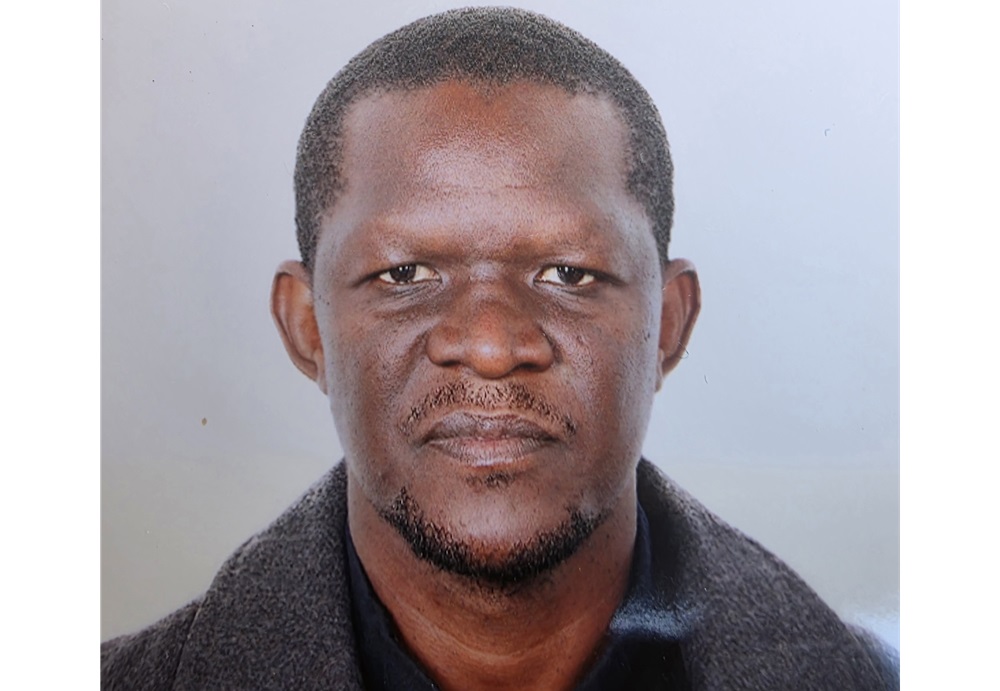
By Tutilo Mudumba
Microfinance was introduced in Uganda to expand financial inclusion and provide low-income households with access to credit and savings. Over time, however, many communities have increasingly relied on informal savings groups, small, unregistered associations where members contribute money regularly and lend to one another. These groups have become especially popular among women in both rural communities and urban informal settlements.
Their popularity reflects an important reality: many Ugandans remain excluded from formal financial services. Yet while informal savings groups have helped millions develop a culture of saving, their current structure often limits their ability to improve long-term financial security.
Ugandan law provides clear pathways for savings groups to register and receive legal recognition. According to the Uganda Cooperative Alliance, registration offers members legal protection, improved governance and greater financial security. In contrast, when an unregistered group loses money through theft or loan default, members often have little legal recourse.
Despite these benefits, most village savings groups remain informal. Many operate through trusted community relationships, collecting contributions from daily earnings, household allowances or small business profits. Members usually save throughout the year before sharing the accumulated funds among themselves at the end of the cycle.
Women form the backbone of these groups. Many juggle household responsibilities with small enterprises that generate modest but vital incomes. However, limited financial literacy and business management skills can undermine the effectiveness of these savings arrangements. Some members save money originally intended for daily household expenses, while others regularly withdraw working capital from small businesses to meet contribution schedules. Although well-intentioned, these practices can reduce household resilience and weaken already fragile enterprises.
The annual payout model also raises important questions. Most groups simply redistribute members’ own savings after several months, with only modest returns generated from internal lending. Once inflation and the opportunity cost of locking away capital are considered, the financial gains are often limited. For many households, the savings primarily serve to meet predictable expenses such as school fees, clothing, festive celebrations or emergency needs rather than creating productive investments that generate future income.
This should not be interpreted as a failure of the women themselves. Rather, it reflects the economic realities they face. Research consistently shows that the primary motivation for joining informal savings groups is financial security. Approximately 29 per cent of Ugandans belong to informal savings groups, with most saving to cope with emergencies, pay school fees or meet other essential household needs. Saving, therefore, is largely driven by survival rather than wealth creation.
At the same time, these groups represent an enormous opportunity. Their widespread reach, strong social networks and high participation rates provide an ideal platform for expanding financial inclusion if properly supported.
The solution is not to dismantle informal savings groups but to strengthen them.
First, government, local governments, development partners and financial institutions should make registration simpler and more attractive. Registration under the Tier 4 Microfinance Institutions and Money Lenders Act, 2016, provides legal recognition, stronger governance structures and better protection for members’ savings. Registered groups can open formal bank accounts, adopt constitutions, maintain transparent records and improve accountability.
Second, financial literacy must become a core component of every savings programme. Members need practical skills in budgeting, bookkeeping, enterprise management, investment planning and responsible borrowing. Savings should become a pathway towards business growth rather than simply a mechanism for postponing household consumption.

Encouraging examples already exist. Under UN Women’s LEAP project in Kaabong District, women who received financial literacy and social empowerment training reported improved financial decision-making and healthier household relationships. One participant, Lokur Pasca, used a savings group loan to establish a brewing enterprise, pay school fees and improve her family’s economic security. Such experiences demonstrate what becomes possible when savings are combined with knowledge and institutional support.
Finally, future government financing programmes should work more closely with registered community savings groups rather than distributing funds through loosely monitored channels. Formal groups provide traceability, collective accountability and peer oversight that reduce the risks of misuse while strengthening local ownership.
Uganda has seen numerous government livelihood programmes over the past two decades, yet many have struggled because beneficiaries viewed public funds as one-off windfalls rather than investments to be repaid and recycled. Stronger community institutions can help change that culture by creating systems where transparency, responsibility and mutual accountability become the norm.
The women filling savings boxes across Uganda have already demonstrated remarkable discipline and commitment. What they lack is not determination but stronger institutions, better financial knowledge and policies that help their savings generate lasting economic opportunity.
If Uganda is serious about financial inclusion and women’s economic empowerment, strengthening informal savings groups into well-governed, legally recognised financial institutions may be one of the country’s most practical and cost-effective development investments.
The author is a farmer, landscape ecologist and development practitioner with over 15 years of experience in rural livelihoods, natural resource management and agricultural development across Africa.
If you would like your article/opinion to be published on Uganda’s most authoritative news platform, send your submission on: [email protected]. You can also follow DailyExpress on WhatsApp and on Twitter (X) for realtime updates.